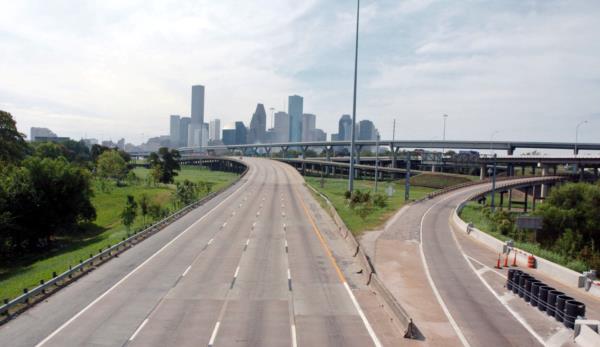
A US judge has recently made a significant decision by striking down a climate rule proposed by the Biden administration that aimed to address emissions from transportation in states. The rule, which was part of President Biden's efforts to combat climate change, has faced legal challenges and now has been invalidated by the court.
The highway climate rule was designed to set stricter standards for greenhouse gas emissions from vehicles on highways, with the goal of reducing the environmental impact of transportation. However, the judge's ruling has put a halt to the implementation of this rule, citing legal concerns and potential overreach of federal authority.
This decision has sparked debate among environmental advocates, government officials, and industry stakeholders. While some argue that the rule was a crucial step towards reducing carbon emissions and combating climate change, others believe that it infringed upon states' rights and could have negative economic implications.
The Biden administration has expressed disappointment over the ruling and is considering its options for appealing the decision. This setback highlights the challenges of implementing ambitious climate policies at the federal level, especially when faced with legal obstacles and opposition from various stakeholders.
As the debate continues, the future of climate regulations in the transportation sector remains uncertain. It is clear that finding a balance between environmental protection and regulatory authority will be a complex and ongoing process for policymakers and lawmakers.