High-stakes U.S.–Iran negotiations aimed at advancing a broader regional agreement were abruptly postponed Friday after renewed fighting in Lebanon between Israel and Hezbollah disrupted the diplomatic process.
Iranian officials declined to proceed with scheduled talks in Switzerland, saying the escalation in Lebanon made continued negotiations untenable unless hostilities stopped. Vice President JD Vance, who had been expected to lead the U.S. delegation, also postponed his trip amid the deteriorating security situation.
The talks were intended to advance a 60-day diplomatic framework announced earlier this month by President Donald Trump, which administration officials have described as a major breakthrough aimed at limiting Iran’s nuclear program and stabilizing regional energy and shipping routes.
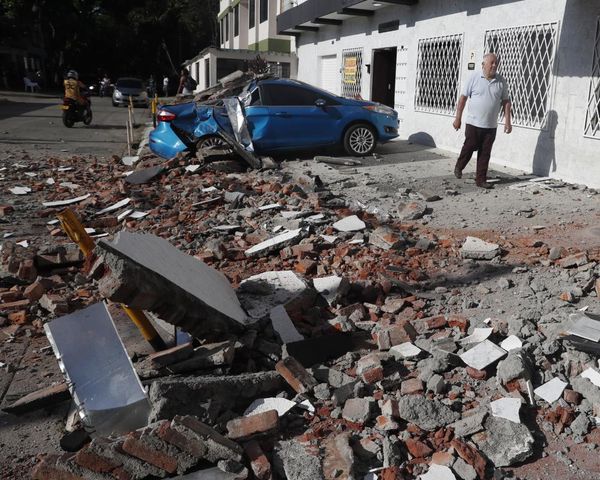
But the agreement has been quickly tested by ongoing violence in Lebanon, where Israeli strikes and Hezbollah attacks have continued despite parallel ceasefire efforts. Reports indicate that while a ceasefire arrangement has been announced or is taking effect in stages, enforcement remains uncertain, with both sides continuing to accuse the other of violations.
The disruption highlights a central challenge facing the administration’s approach: the U.S.–Iran track is effectively dependent on de-escalation in conflicts that were not fully integrated into the original negotiation structure, particularly the Israel–Hezbollah front in Lebanon.
Trump, in a series of Truth Social posts Friday morning, defended the agreement and argued that Iran entered negotiations from a weakened position, claiming the country was “finished” militarily and economically.
Iranian officials, meanwhile, have framed continued talks as conditional on a verified halt to Israeli operations in Lebanon.
Meanwhile, Senate Republicans including Sens. Bill Cassidy, Thom Tillis and John Thune have been critical of the original Trump-backed Iran framework, arguing that it left too much room for Iranian noncompliance and failed to adequately account for ongoing regional conflicts that have now disrupted the talks.
And a new AP-NORC poll found that a majority of Americans disapprove of President Trump’s handling of the Iran conflict, reflecting widespread war fatigue and deep partisan divides over the administration’s strategy even as officials continue to defend the agreement as a stabilizing breakthrough.
The diplomatic setback comes just days after the agreement was publicly promoted as a potential turning point in regional tensions involving Iran, Israel and Lebanon, underscoring how quickly the framework has been complicated by overlapping conflicts on the ground.
While U.S. officials have suggested talks could resume if a ceasefire stabilizes, the latest violence has raised fresh questions about whether the agreement can hold without broader buy-in from all major regional actors — particularly those engaged directly in the Lebanon conflict.