Analysts are calling it the most significant event in global markets since Lehman Brothers went bust in 2008.
If the US central bank decides to raise interest rates for the first time since 2006, it will signal the end of the recession and the return to growth.
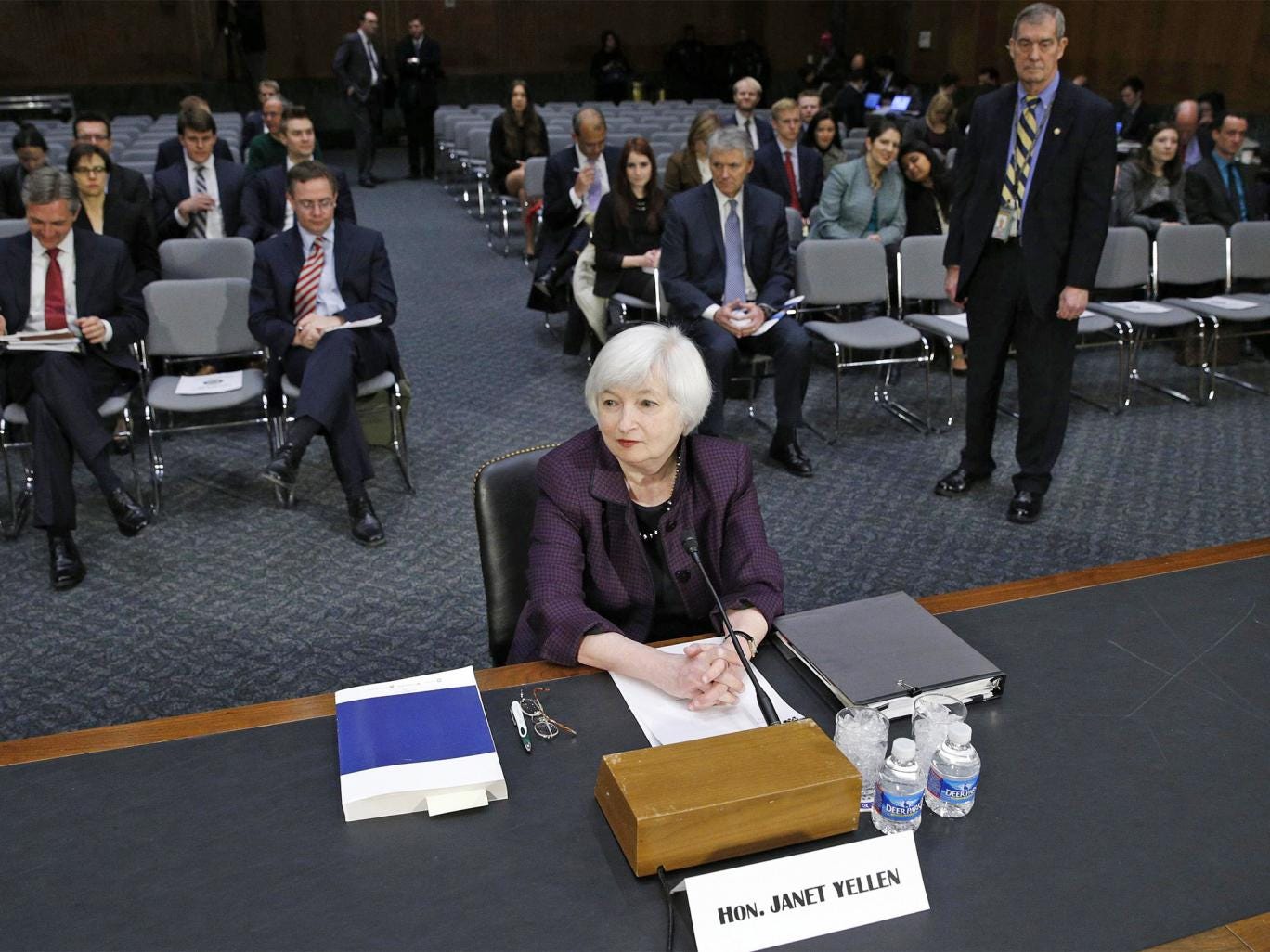
Slashing the interest rate to historic lows was one of the ways that Yellen and the Federal Open Markets Committee, which decides the so-called Federal Funds rate, tried to get the US economy growing again after the crisis hit.
The US interest rate has been flat at 0.25 per cent since 2009
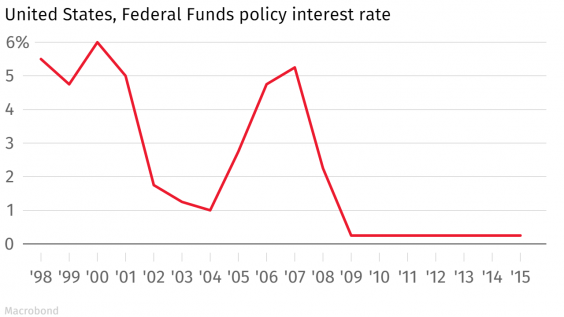
By cutting rates, consumers are expected to borrow more and to spend their money rather than save it. All that money in the economy is supposed to kick start other types of growth, like new jobs, construction and investment.
The Fed measures how successful it has been by looking at two things: inflation and job growth
Inflation is still lower than the Fed’s 2 per cent target
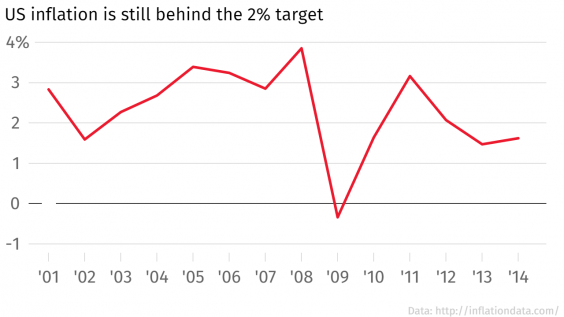
Low inflation is a sign of economic weakness and can stand in the way of faster growth.
This was one reason – along with fears that China’s economy was slowing – that contributed to Yellen’s decision to keep rates on hold in September, when many predicted a rise.
Other positive indicators have signalled that the economy is growing anyway.
Unemployment has steadily declined since the financial crisis
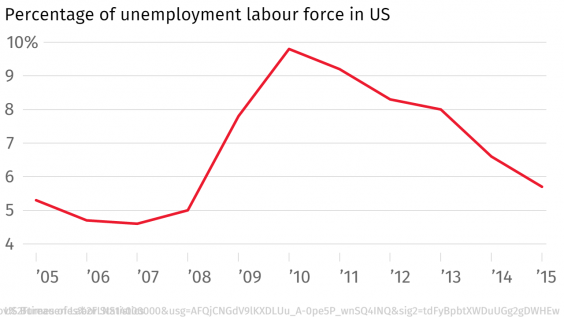
The unemployment rate is now 5 per cent of the possible labour market.
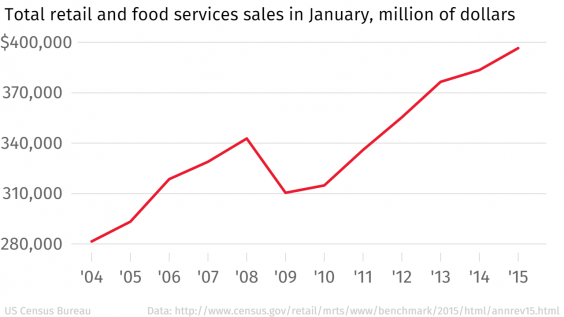
Retail sales show that consumers are also feeling more confident
A rate rise in the US will put pressure on the Bank of England to raise rates above 0.5 per cent
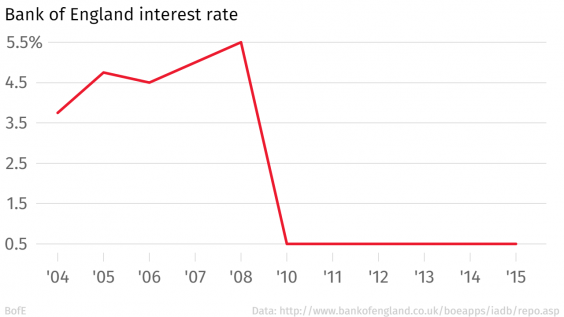
Analysts expect the Bank of England to follow the US and raise UK interest rates in May 2016, which could hit people that have taken on big mortgages to keep up with soaring UK property prices.
There is a lot of uncertainty about the effects of the US rate rise, especially because estimates show as many as a third of traders have never worked under tighter monetary policy conditions.
What's certain is that when the world's largest economy changes its policy, the effects will be widely felt in the US and abroad.