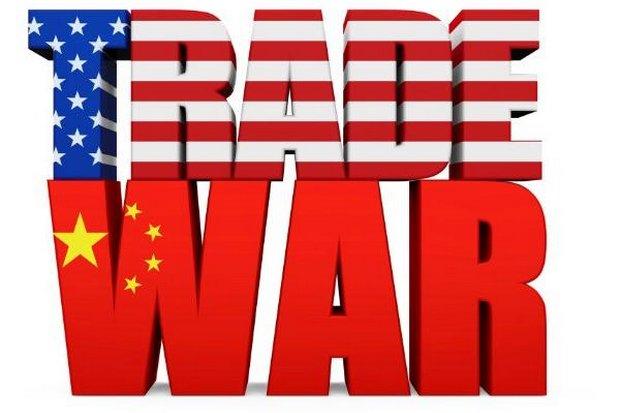
As a small, open economy, Thailand stands to be affected by global economic developments. The recovery of the US economy, with higher interest rates and bond yield rates, has an impact on capital flows and the Thai baht exchange rate. The rise in global oil prices from geopolitical tensions pushes our petrol prices and other prices up, while the looming US-China trade war will have a definite effect on our performance while the changes in global farm prices are having an impact on Thai farmers' incomes.
With rising interest rates in the US and inflation at home, Thailand's interest rates are also on an upward trend. The policy rate and government bond yields in the US have been rising, resulting in capital outflows from emerging markets to the US.
Countries with high foreign debt, low international reserves, and current account deficits such as Argentina, are badly hurt by the outflows. At its latest meeting this month, the Fed raised its policy rate to 1.75-2.00%, surpassing Thailand's policy rate of 1.50%. Moreover, the Fed is likely to raise rates two more times this year, each time by 25 basis points.




.jpg?w=600)