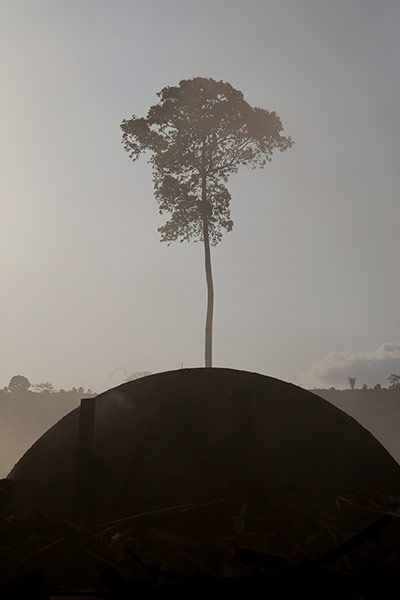
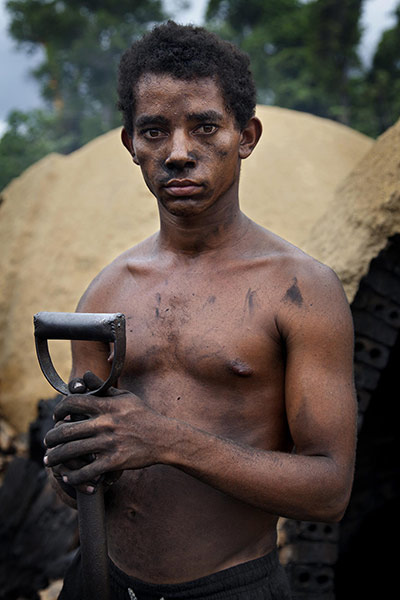
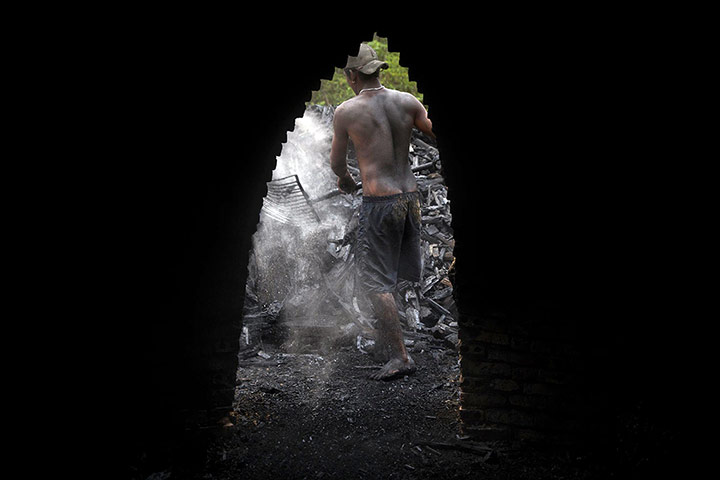
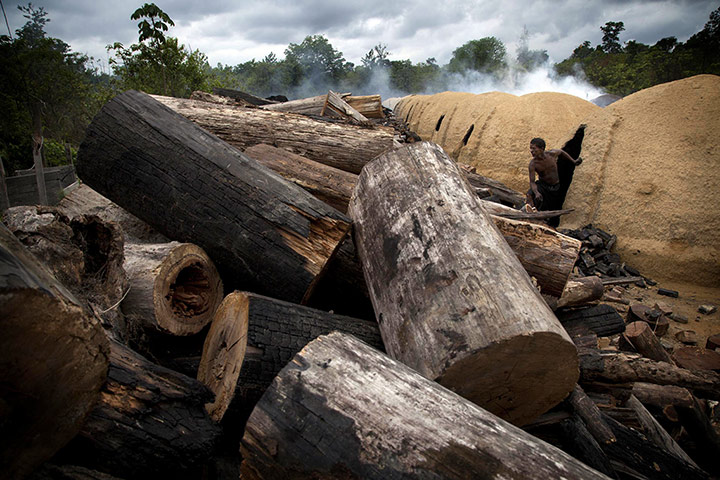
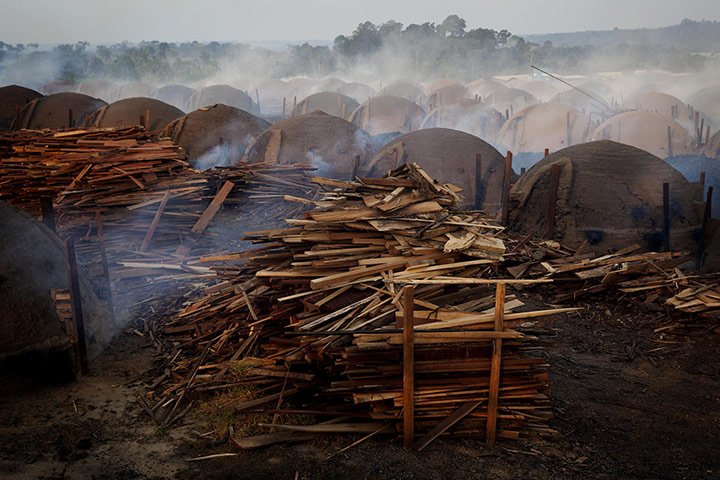
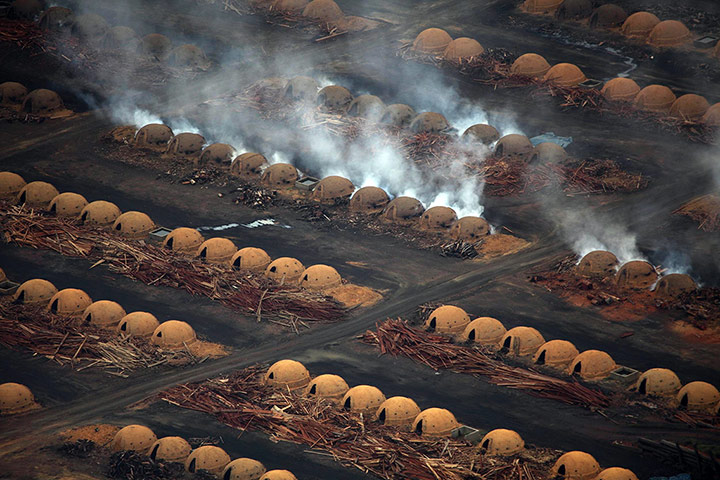
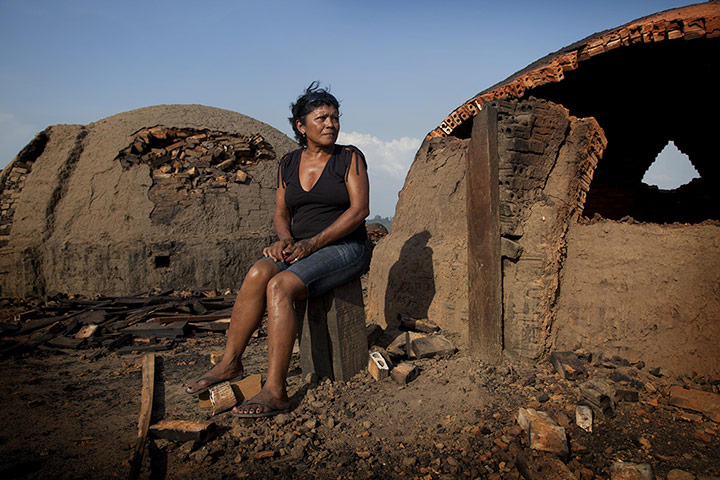
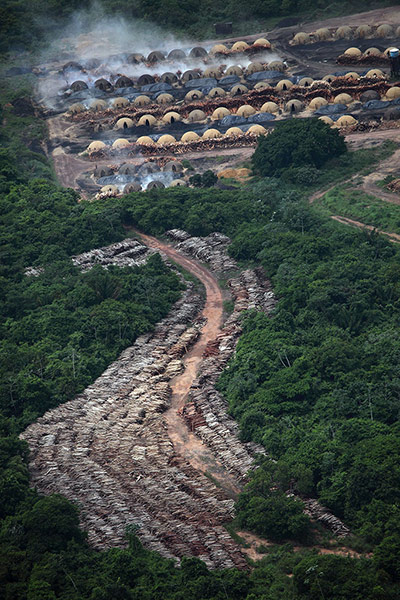
Illegal charcoal kilns in the municipality of Tucuruí, Para, Brazil. A Greenpeace report exposes how the pig iron industry relies on cheap labour, luring workers away from small villages to work in inhumane conditions akin to slavery. The workers fill beehive-shaped ovens with rainforest timber, which is set alight to produce charcoal. The charcoal is burned in blast furnaces which convert iron ore to pig ironPhotograph: Marizilda Cruppe/GreenpeaceValdobras dos Santos Castro, 19, works at an illegal charcoal camp in the municipality of GoianésiaPhotograph: Marizilda Cruppe/GreenpeaceValdobras dos Santos Castro at workPhotograph: Marizilda Cruppe/Greenpeace
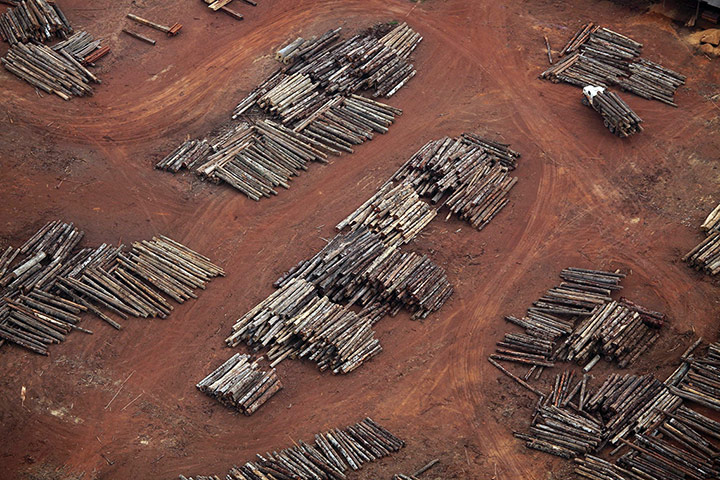
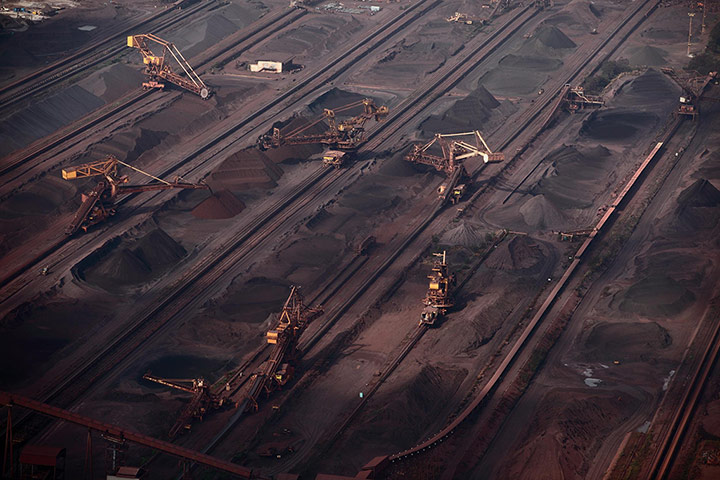
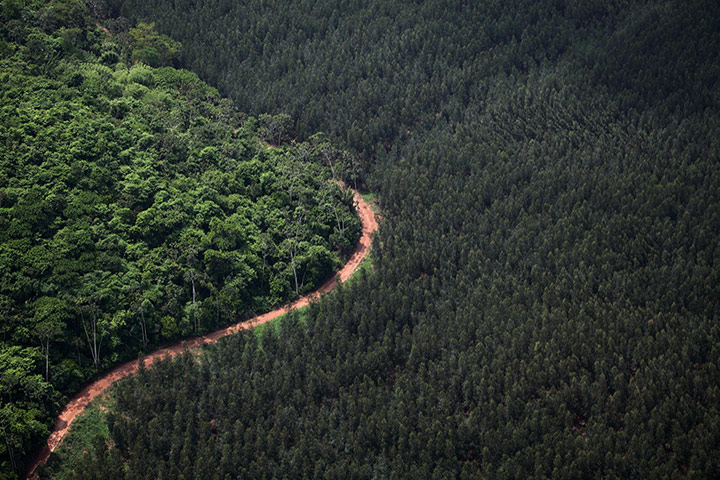
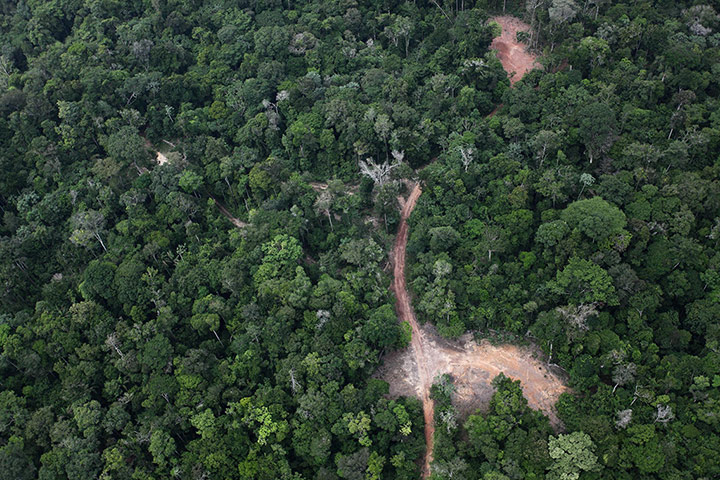
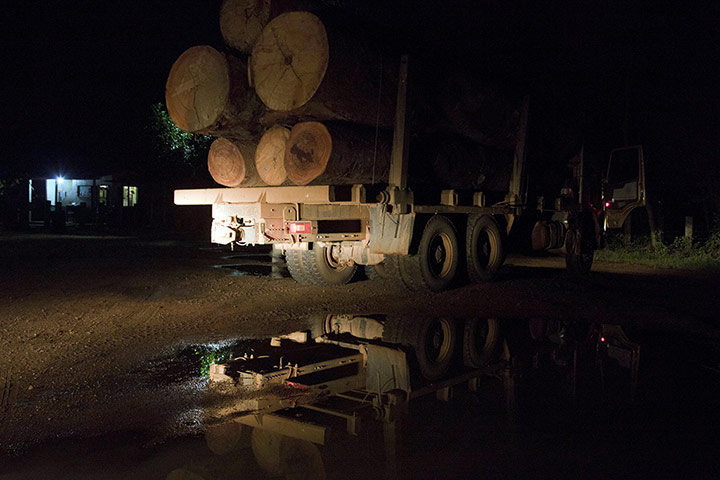
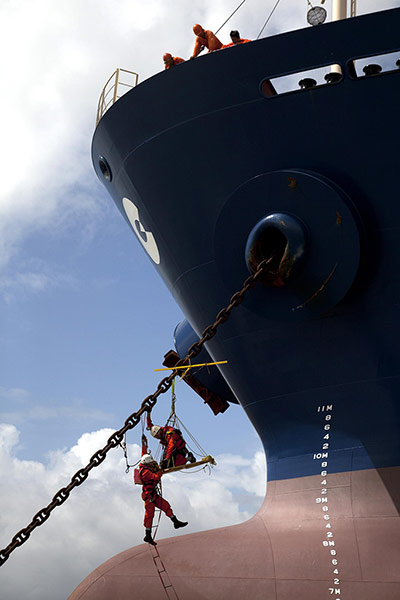
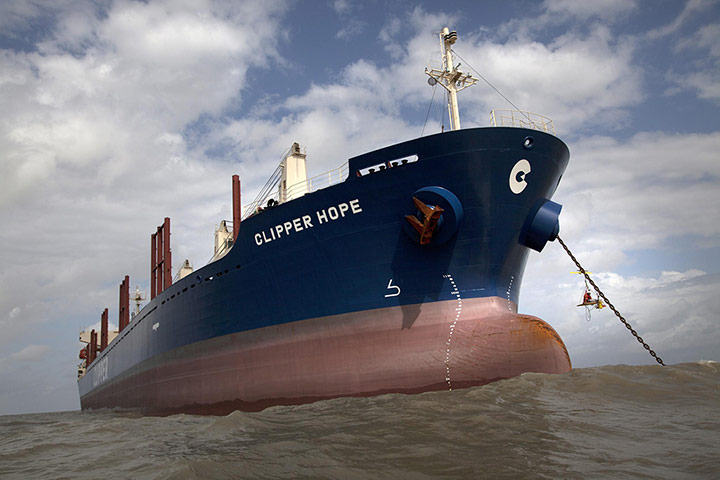
Illegal charcoal camp in GoianésiaPhotograph: Marizilda Cruppe/GreenpeaceCharcoal kilns in TucuruíPhotograph: Marizilda Cruppe/GreenpeacePiles of wood that feed charcoal ovens in Pará statePhotograph: Rodrigo Baléia/GreenpeaceCharcoal camps in Pará statePhotograph: Rodrigo Baléia/GreenpeacePonta da Madeira port, from which iron ore is exportedPhotograph: Rodrigo Baléia/GreenpeaceMaria Aparecida Brasil Maia, 49, is the owner of illegal charcoal kilns that were destroyed by Brazilian authorities in TucuruíPhotograph: Marizilda Cruppe/GreenpeaceCharcoal camps in Pará statePhotograph: Rodrigo Baléia/GreenpeaceA eucalyptus plantation in Açailândia, Maranhão state. Although the industry sees eucalyptus as a green solution, local NGOs have reported that the plantations' unregulated expansion has yielded social and environmental consequences for neighbouring communitiesPhotograph: Rodrigo Baléia/GreenpeaceAn illegal logging road within the protected Gurupi Biological Reserve in Maranhão statePhotograph: Rodrigo Baléia/GreenpeaceA truck loaded with wood in Tucuruí, a region with many charcoal camps that use Amazon timber to make the wood charcoal that fuels pig iron blast furnacesPhotograph: Marizilda Cruppe/GreenpeaceGreenpeace activists change places on the anchor chain of the ship, the Clipper Hope, near the port of São Luis do MaranhãoPhotograph: Marizilda Cruppe/GreenpeaceActivists occupied the chain of the Clipper Hope for more than 24 hours to prevent it leaving for the US, where its cargo of pig iron will be used to make steel for the US car industry. Greenpeace is taking action to expose a trio of serious crimes in the production of Brazilian pig iron including slave labour, deforestation and the invasion of indigenous lands. The organisation is calling for President Dilma to protect the Amazon and the people who depend on it, as well as veto changes to the country's 'forest code'Photograph: Marizilda Cruppe/Greenpeace
Sign up to read this article
Read news from 100’s of titles, curated specifically for you.