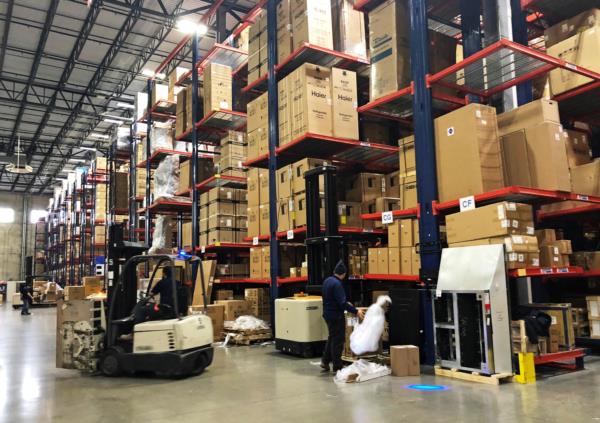
In January, the United States business inventories remained unchanged, indicating stability in the economy. This data, released by the Commerce Department, suggests that businesses are managing their stockpiles efficiently.
The report revealed that business inventories held steady at a seasonally adjusted level of $2.04 trillion. This figure includes stocks of raw materials, work-in-progress goods, and finished products waiting to be sold.
The lack of growth in inventories could be attributed to various factors, such as cautious inventory management by businesses amid economic uncertainties or fluctuations in consumer demand.
Stable inventories can have implications for economic growth. When businesses maintain consistent inventory levels, it can indicate a balanced supply chain and stable production levels.
Furthermore, unchanged inventories may also reflect businesses' confidence in the current economic conditions. By not significantly increasing or decreasing their stockpiles, companies may be signaling their optimism about future sales and market stability.
While stagnant inventories can be a sign of stability, it is essential to monitor any prolonged lack of growth, as it could potentially indicate underlying issues in the economy. Sudden shifts in inventory levels can also impact production, employment, and overall economic performance.
Overall, the unchanged business inventories in January provide valuable insights into the state of the US economy. As businesses continue to navigate challenges and opportunities, monitoring inventory trends will be crucial in understanding the broader economic landscape.