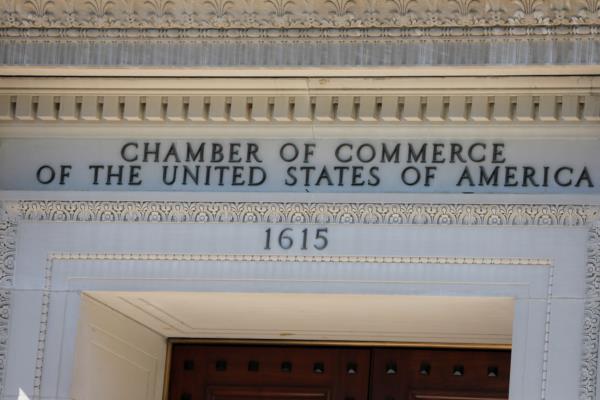
A major business group has filed a lawsuit against the United States over the ban on worker noncompete agreements. The ban, which was implemented to protect workers' rights and promote fair competition, is facing legal challenges from various sectors.
Noncompete agreements are contracts that prevent employees from working for a competitor after leaving their current job. Proponents argue that these agreements protect intellectual property and trade secrets, while critics claim they stifle wage growth and limit job mobility.
The lawsuit argues that the ban on noncompete agreements infringes on businesses' ability to protect their interests and could have negative implications for innovation and economic growth. The business group contends that noncompete agreements are essential for safeguarding proprietary information and maintaining a competitive edge in the market.
Supporters of the ban, however, argue that noncompete agreements disproportionately harm low-wage workers and restrict their ability to seek better job opportunities. They believe that eliminating these agreements will lead to a more equitable job market and foster greater innovation and entrepreneurship.
The outcome of this lawsuit could have significant implications for the future of worker rights and business practices in the United States. It will be closely watched by stakeholders on both sides of the debate, as the decision could set a precedent for how noncompete agreements are regulated and enforced in the country.
As the legal battle unfolds, it remains to be seen whether the ban on worker noncompete agreements will withstand the challenges posed by the business group and other opponents. The case highlights the ongoing tension between protecting workers' rights and fostering a competitive business environment in the United States.