The U.S. has banned new foreign-made internet routers after the White House claimed they pose “unacceptable risks” to national security.
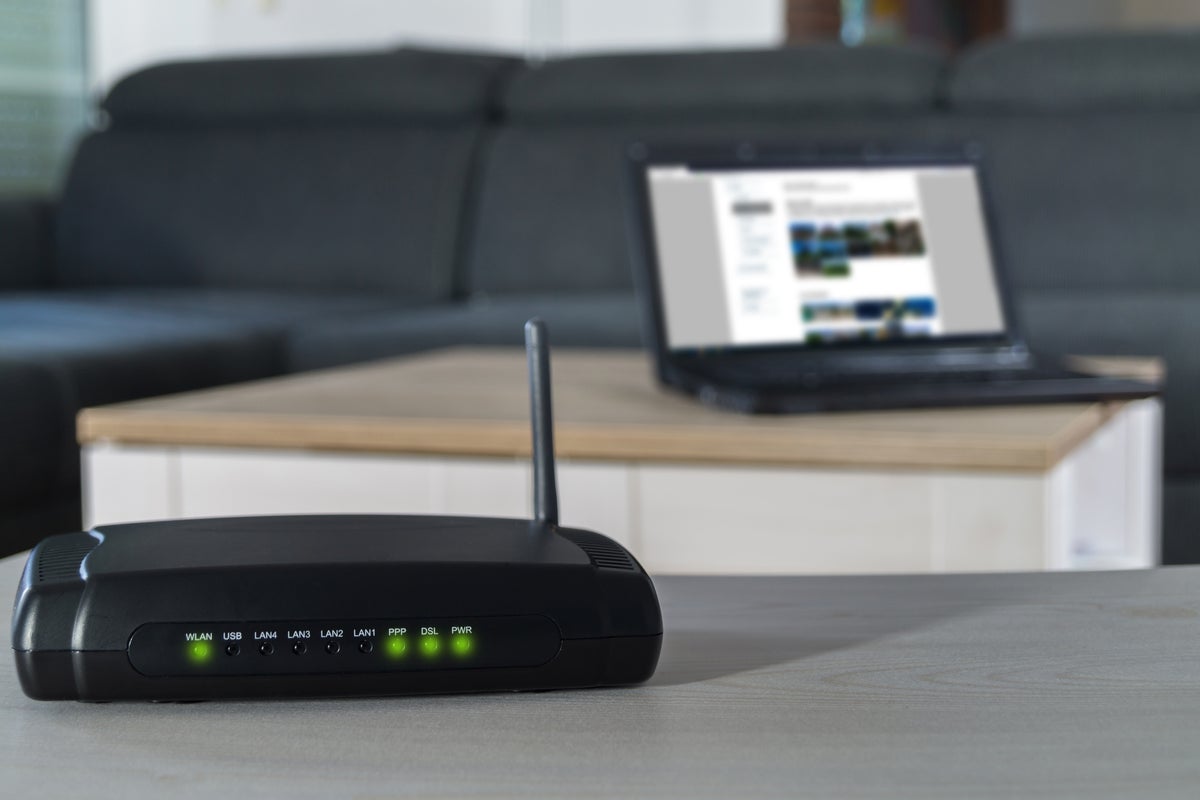
The Federal Communications Commission added all consumer routers – used in homes to connect computers, phones and other devices to the internet – to its ‘Covered List’, blocking the import and sale of all new devices.
A White House-convened Executive Branch determined that routers produced outside the U.S. introduce “a supply chain vulnerability that could disrupt the US economy, critical infrastructure, and national defense”.
Any new router made outside the U.S. will now need FCC approval before being sold in the country, though anyone using a foreign-made router that they already own will still be able to use it.
The ruling comes amid concerns that some routers could serve as an easy point of access for hackers.
China-made devices from the popular U.S. brand TP-Link were recently investigated over a spate of Chinese cyber attacks, though the company has denied any links to the Chinese government.
“Malicious actors have exploited security gaps in foreign-made routers to attack American households, disrupt networks, enable espionage, and facilitate intellectual property theft,” the FCC stated on Monday.
“Today’s action does not impact a consumer’s continued use of routers they previously acquired. Nor does it prevent retailers from continuing to sell, import, or market router models approved previously through the FCC’s equipment authorization process.”
The move follows similar bans of foreign technology after President Donald Trump called on the U.S. to “never be dependent on any outside power for core components – from raw materials to parts to finished products – necessary to the nation’s defence or economy.”
In December, the FCC added the world’s biggest drone maker, DJI, to its Covered List, blocking any new products from being released.
Following the latest ban on foreign routers, FCC Chairman Brendan Carr said: “Following President Trump’s leadership, the FCC will continue to do our part in making sure that U.S. cyberspace, critical infrastructure, and supply chains are safe and secure.”