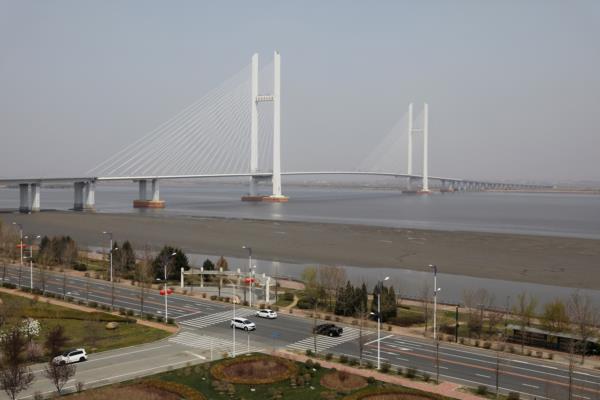
A series of alarming bridge collapses in different parts of the world have raised concerns about the safety and resilience of aging infrastructure in the face of modern maritime traffic. The incidents, which occurred within the first three months of this year, have underscored the urgent need for upgrades and protective measures to prevent further tragedies.
In Baltimore, a bridge collapse resulted in at least six presumed deaths after a collision with a large commercial ship. This tragic event has drawn national attention to the issue of outdated infrastructure struggling to accommodate the size and weight of modern vessels. Experts point out that the bridge was constructed 50 years ago when ships were significantly smaller compared to today's massive commercial carriers.
Similarly, in southern China, a cargo ship collided with the Lixinsha Bridge in the Pearl River Delta, resulting in at least five fatalities. The incident occurred in a crucial international shipping hub, highlighting the vulnerability of infrastructure in key industrial regions.
While these incidents share a common theme of bridge collapses following collisions with large ships, experts caution that there may be unique factors at play in each case. The need to address the compatibility of aging bridges with modern maritime traffic has become a pressing concern for authorities and industry stakeholders.
As maritime commerce continues to grow and vessels increase in size, the safety of bridges and their ability to withstand collisions must be reassessed and reinforced. The recent tragedies serve as stark reminders of the importance of investing in infrastructure upgrades and implementing measures to protect against future disasters.