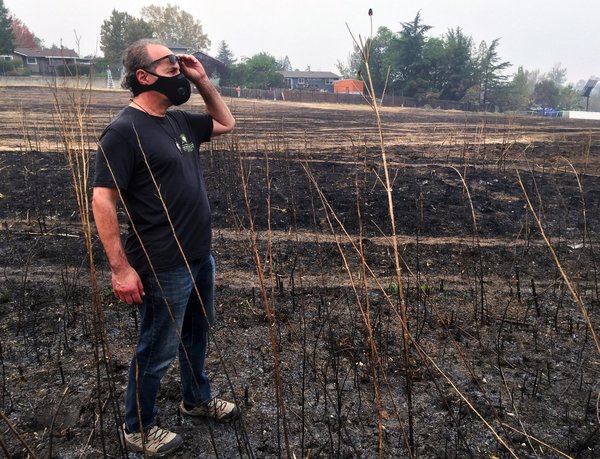
TALENT, Ore. _ Late morning on Sept. 8, forest scientist Dominick DellaSala sat at the desk in his home office to do a final edit on a newspaper opinion piece. The topic: The need to better prepare for catastrophic wildfires _ or "black swan events" _ that can rampage through neighborhoods.
His computer screen went dark. The power had gone out.
He went outside to investigate the outage. Looking south, he spotted a dense cloud of smoke.
"This was totally black. It was huge. And it was heading in our direction," DellaSala recalls.
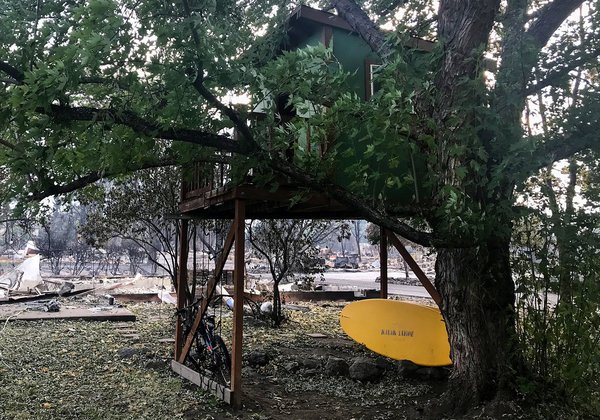
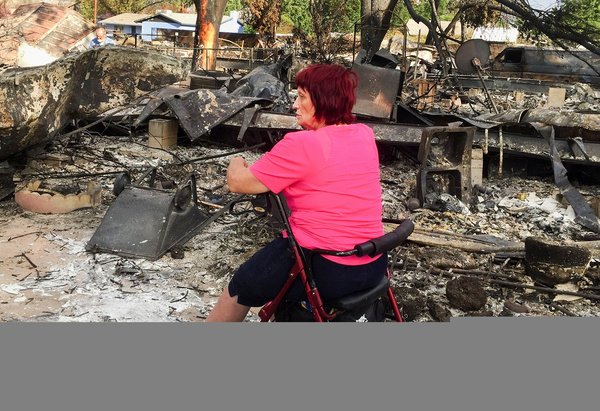
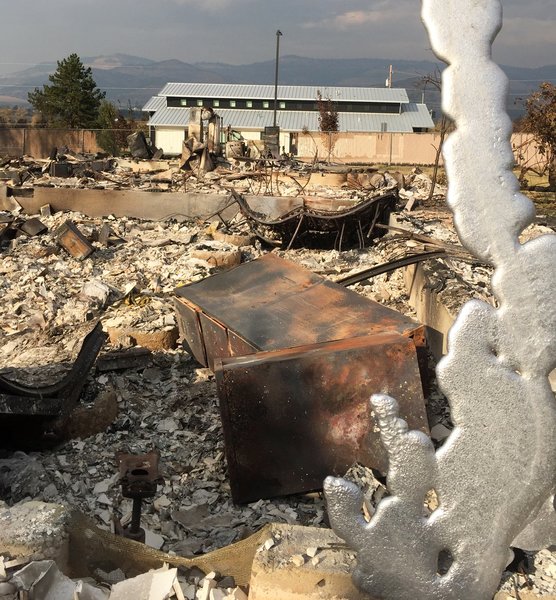
DellaSala spent the next few hours up on his roof, cleaning out gutters and hosing down the asphalt shingles before evacuating. His home was spared as the fire veered away from his street, but more than 2,800 structures and three people were killed in one of the most destructive wildfires in Northwest history.
This one had nothing to do the management of thickly forested Northwest mountain slopes. It started in a patch of grass by a dog park in the north end of Ashland on a hot day with fierce, dry winds. The fire raced through a county greenway park, chewed through roadside brush and jumped into the heart of two communities _ Talent and Phoenix, with a combined population of more than 10,000. Then houses, trailers and commercial buildings became the fuel that fed its relentless advance.
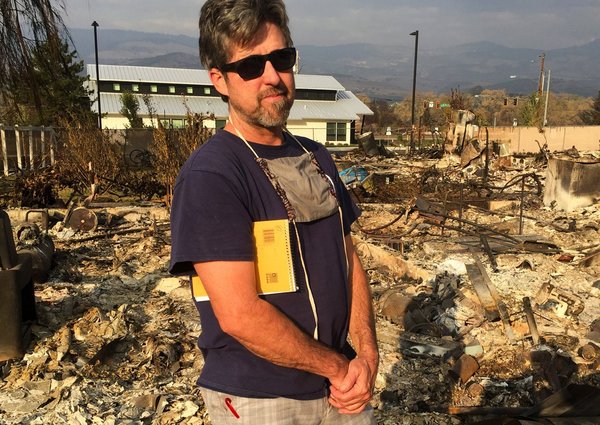
In the immediate aftermath of the historic early September fires, people here and in other ravaged Pacific Northwest towns such as Malden, in Eastern Washington, are primarily focused on the need to find short-term shelter for those suddenly without homes. But already, amid a warming climate when wildfire is forecast to be a greater force, an urgent question arises: How to rebuild in a way that is more resistant to the flames.
"Thinning trees in the backcountry, that won't make the difference. We need to spend the money to fire-harden our communities," says DellaSala, who is chief scientist for Wild Heritage, a forest conservation project of the Earth Island Institute, an environmental nonprofit.