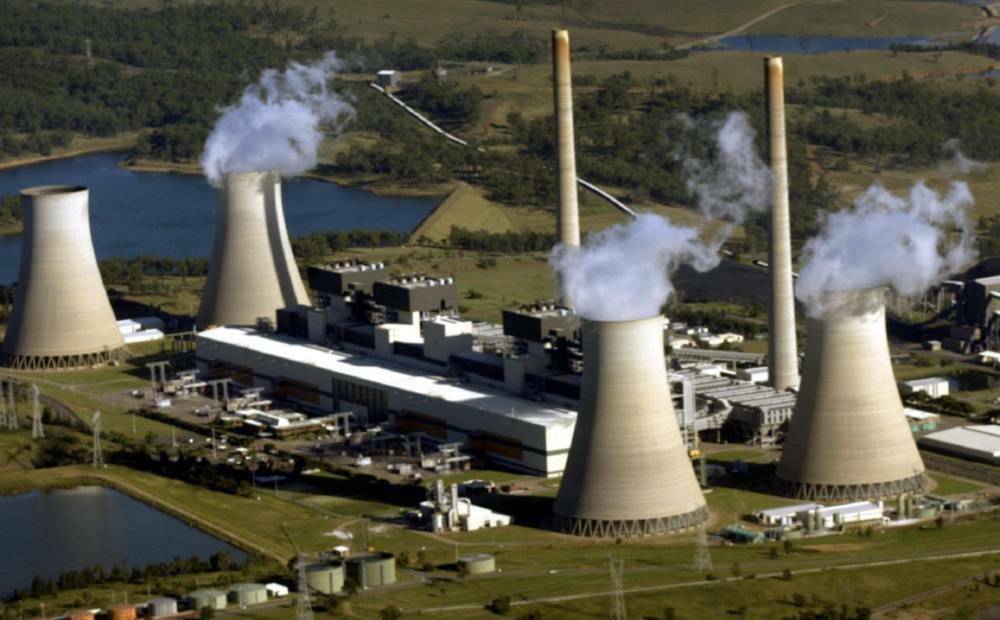
A NSW Parliamentary committee has called for tighter air-quality controls on coal-fired power stations in an effort to improve public health.
The existing NSW standards have not been revised for 25 years.
The Legislative Council's Planning and Environment Committee, which reviewed the Protection of the Environment Operations Amendment (Clean Air) Bill 2021, found the state's coal-fired power stations were "Lagging behind their overseas counterparts in reducing their harmful health impacts due to comparatively relaxed regulation that has failed to drive the upgrading and installation of pollution control technology."
The committee supports calls for stricter thresholds for concentrations of solid particles, nitrogen oxides, sulphur dioxides and mercury because they will reduce health impacts of power station emissions.
The authority has received over 1000 public submissions demanding Vales Point power station be required to meet oxides of nitrogen air pollution standards.
"These findings add considerable weight to community demands to make Vales Point power station abide by existing air quality standards and not be granted another five-year exemption," Nature Conservation Council Chief Executive Chris Gambian said.
"Today's report is more evidence, if any were needed, that Vales Point's oxides of nitrogen emissions must be reduced to at least meet the standards in our clean air laws."
When public submissions closed last Wednesday, at least 1,072 people signed the Nature Conservation Council's submission.
Vales Point's current Environmental Protection Licence allows up to 1,500 milligrams of nitrogen dioxide to be emitted per cubic metre of exhaust, while under the NSW Clean Air Regulation, polluting facilities of the same age must emit around half as much pollution, at 800 milligrams per cubic metre.