
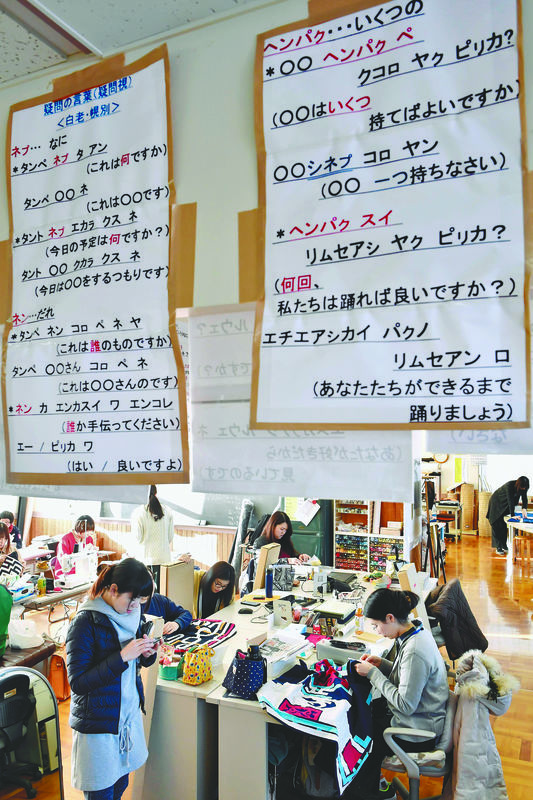
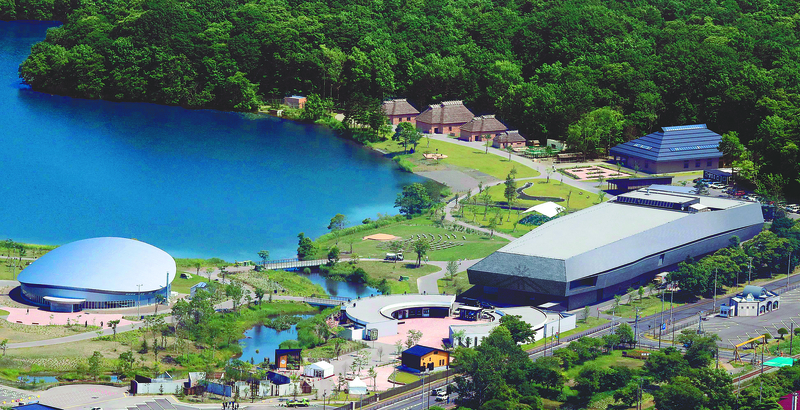
SHIRAOI, Hokkaido -- Upopoy, as the National Ainu Museum and Park is known, opened on July 12 in this town in southwestern Hokkaido as a base to restore the culture of the Ainu, an indigenous people of Japan.
In the Ainu language, "upopoy" means "singing together in a large group."
The facility is a bid to overcome the fact that the language and culture of the Ainu people were denied under an assimilation policy of the government during the Meiji era (1868-1912). With Upopoy's opening, a new path is being taken to create a society of coexistence, with the facility serving as a symbol for this goal.
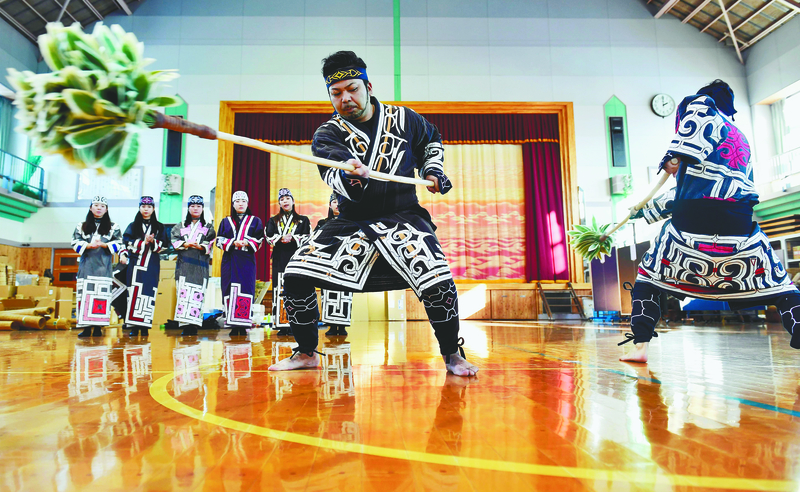
Performing traditional Ainu dance at the facility is Hiroki Arata, 34, who is a native of Obihiro, Hokkaido. Since he was a child, he learned traditional Ainu dance from his mother and grandmother.
However, as a youngster, Arata began to distance himself from the dance around the final years of elementary school, as he didn't want to be regarded by his friends as Ainu.
The turning point came after Arata entered high school. He participated in an exchange event in Canada organized by a private study school for Ainu children.
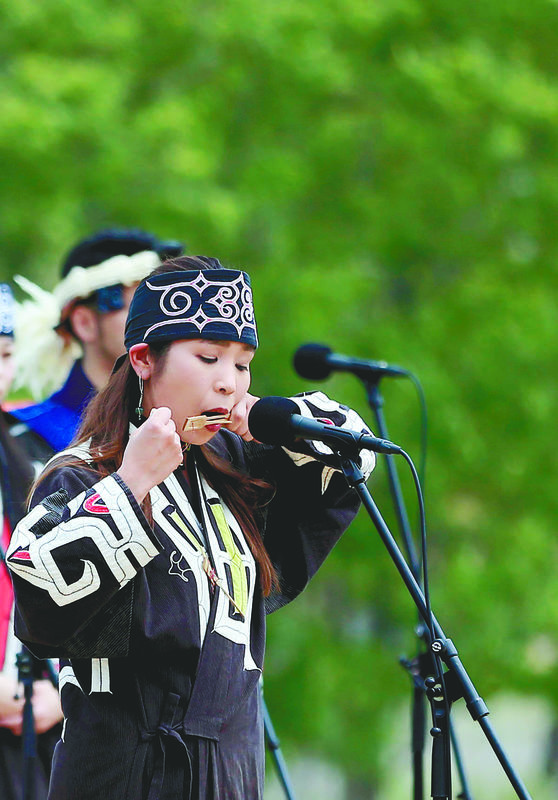
Young indigenous people in Canada, with whom Arata was able to share stories about the hardships of being discriminated against since childhood, showcased their dancing with headdresses inspired by bears. He was stunned to see how dignified their performances were, an experience that has driven him to choose a career as a professional traditional Ainu dancer.
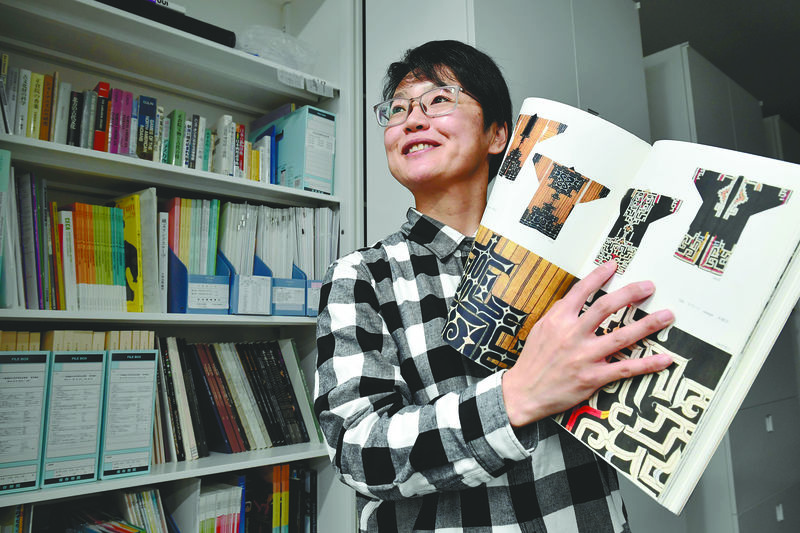
Yuki Kitajima, 47, is a curator whose duties include collecting items for exhibitions and preparing special exhibitions for the National Ainu Museum, the nation's first facility dedicated to an indigenous people.
She first learned of her Ainu roots when she was a fifth-grade elementary school student. However, she didn't reveal this for a long time. She graduated high school and started a career.
In her early 30s, she encountered Ainu folk costumes for the first time in Asahikawa, Hokkaido, as part of her travels. Fascinated by the patterns on the clothing, Kitajima developed a strong desire to learn about Ainu culture, even though she had avoided facing up to her heritage.
Kitajima later found out that there is a scholarship program for students with Ainu ancestry. She enrolled in Sapporo University when she was 36, studying Ainu language, history, dance and songs.
"Now is the last chance to learn directly from those who observed old Ainu customs," Kitajima said. "I hope I can pass on the Ainu culture to the next generation through Upopoy."
Read more from The Japan News at https://japannews.yomiuri.co.jp/













