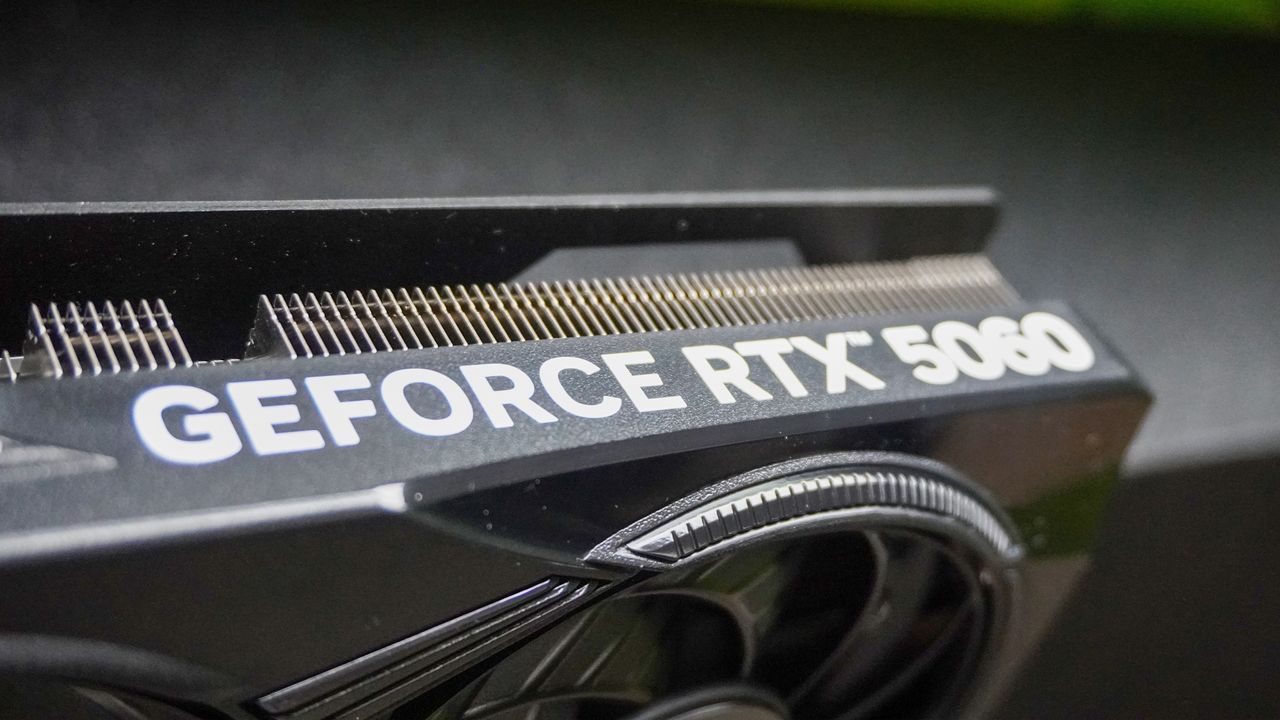
If your Windows or Linux computer uses one of best graphics cards made by Nvidia, you're going to want to make sure you're using the latest drivers. This week, the company issued a security alert and driver updates to combat a variety of vulnerabilities.
The alert highlights 15 issues, nine of which Nvidia has marked as "high-vulnerability." The high-risk flaws run the gamut of what bad actors can do to your PC. That includes letting hackers get access to your PC kernel, inject malicious code, steal crucial data, or gain administrative access. All the stuff you don't want happening.
For both Windows and Linux, you can download the driver update directly from Nvidia. On Windows, you'll want to make sure you upgrade to driver version 569.49.
On Linux, you want to make sure you update to version 590.48.01. The new versions were released about a week ago, so most people who have automatic updates turned on should have the update. But check your driver version just in case.
According to the alert, all Nvidia drivers before version 596.36 — version 482.53 for GTX 10-series and below — are potentially at risk from these vulnerabilities.
Keep your PC safe from malware

This is a general reminder to ensure all your drivers are up to date. Most driver releases patch security flaws like the ones outlined by Nvidia.
To be fair, some driver updates can cause issues, but later this year, Microsoft will automatically roll back bad Windows drivers to the most recent stable version. Still, keeping your drivers up to date is good practice.
If you're on PC, Microsoft releases new security updates every second Tuesday of each month.
Additionally, you'll want to ensure that Windows Defender is enabled. It largely does a great job of catching threats before they do damage.
For extra protection, you should consider the best antivirus software. Paid antivirus solutions usually update regularly, plus you often get access to VPNs, a password manager and other security goodies.
New vulnerabilities crop up all the time, but if you practice good cyber hygiene you devices and data should stay safe.
More from Tom's Guide
- Nvidia is teaming up with Span to install mini AI data centers right on the side of your house, turning residential neighborhoods into a distributed supercomputing network that actually pays homeowners for their unused electricity
- I test gaming laptops all year — here are the only 8 I recommend in 2026
- Nvidia RTX 5070 laptop GPU gets 12GB VRAM — here’s why it's a game-changer