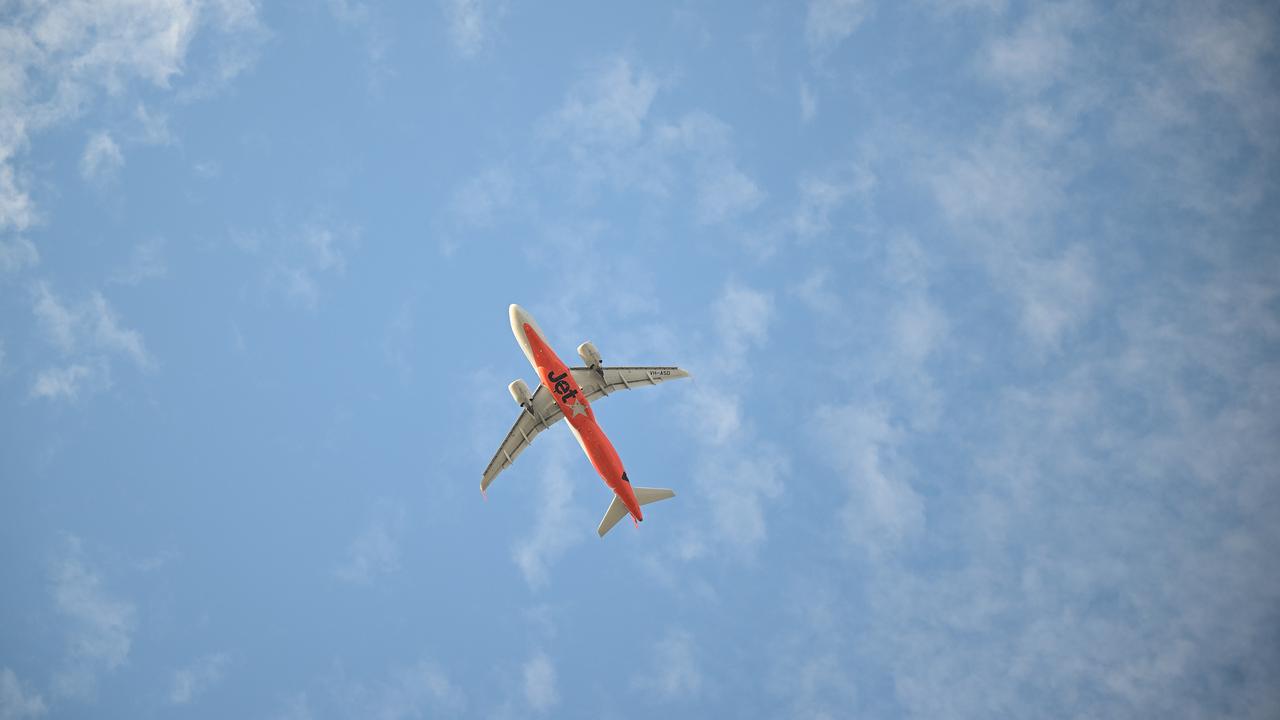
Australians heading overseas will be hit with increased exit fees in a move that has incensed some travel groups and travellers alike.
A price hike of $10 from January 1 was announced as part of the 2026/27 federal budget, with the passenger movement charge increasing to $80.
The fee will apply to all passengers departing by air or sea, regardless of whether they are Australian citizens or non-citizens intending to return.
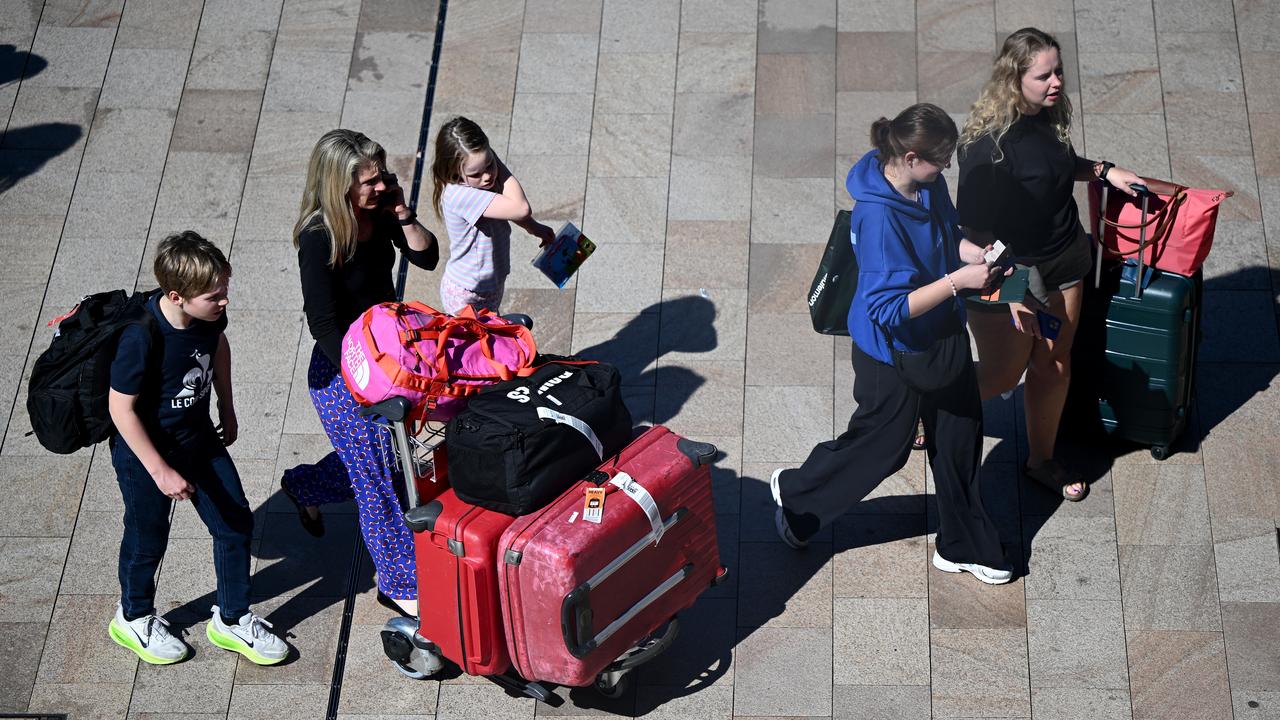
The government says the price hike will amount to about $755m in raised revenue over five years from 2025-26.
But Tourism and Transport Forum chief executive Margy Osmond said it will just make travel even more expensive, describing the move as "an absolute shocker for the tourism industry".
"Operators are already under enormous pressure from the ongoing fuel crisis and surging operating costs," Ms Osmond said in a statement on Wednesday.
"(It) makes Australia more expensive to visit and more expensive for Australians to travel."
Ms Osmond accused the government of using the charge as a revenue grab with little evidence the billions collected from travellers were being reinvested back into tourism, aviation or border infrastructure.
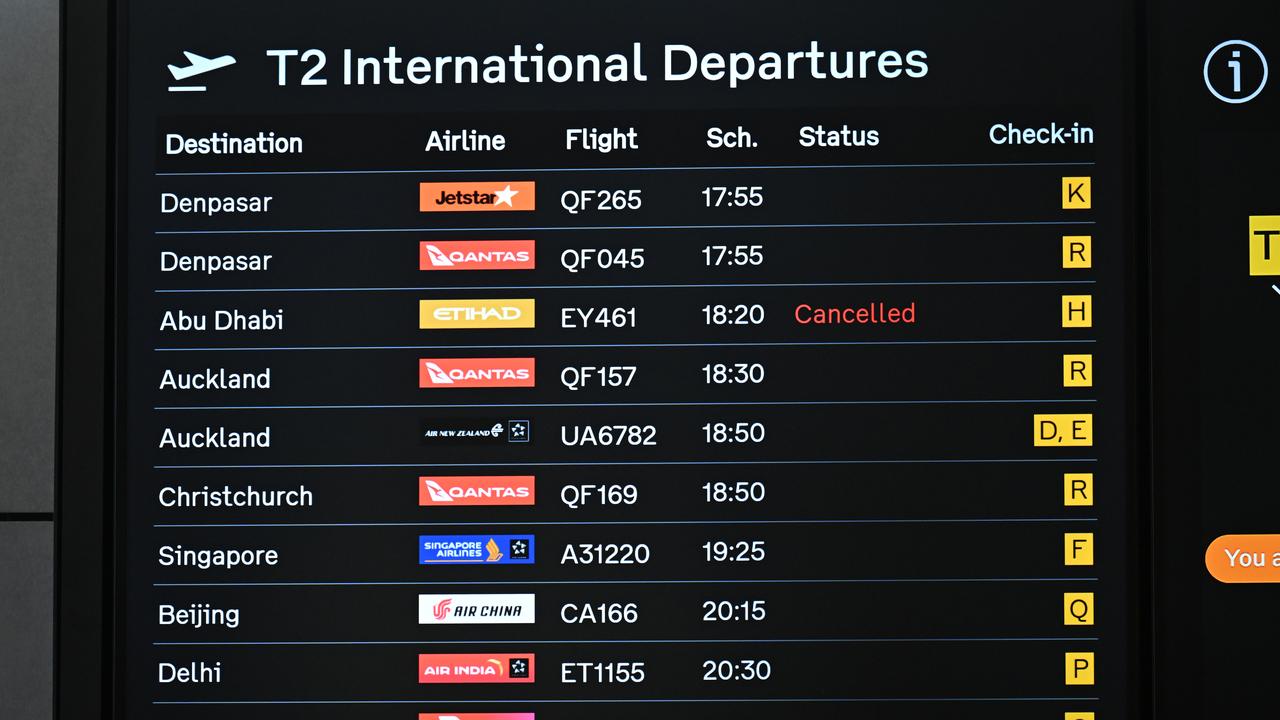
The Australian Airports Association called for the additional revenue to be reinvested in tangible border upgrades such as digitising the paper Incoming Passenger Card as an app for overseas arrivals, more SmartGates and better resourcing for Australian Border Force.
"Replacing the paper card is the first step in modernising the border," chief executive Simon Westaway told AAP.
"This is a simple fix to a frustrating administrative process for anyone flying into Australia and would be a modest productivity investment towards a future seamless border.
"The paper card is an outdated method to gather information and gives the impression that Australia is falling behind on new technology."
New Zealand, Indonesia and Singapore deliver a "far better border experience", Mr Westaway said.
The passenger movement tax - usually included in ticket prices - was first introduced in 1995 to offset the costs of border services including customs, immigration, and quarantine.