Construction work involves the undertaking of large structures, and where something goes wrong, this leads to large-scale structural collapses or hazards. This of course is where forensic engineering comes in. In this way, forensic engineers use the scientific method and detective spirit to find out why constructions fail and explain how to avoid similar occurrences.
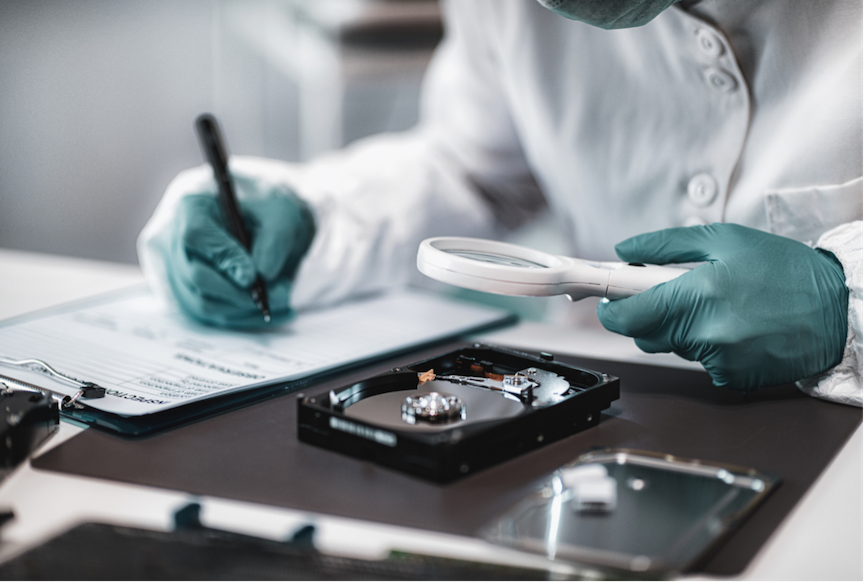
Understanding Forensic Engineering
Forensic engineering consists of studying materials, constructions, and systems to find out why they have collapsed or did not meet the expected requirements. Engineering analysis as a discipline combines engineering knowledge with processes that allow for an understanding of an accident, a defect, or a malfunction.
When applied to construction, forensic engineering investigates cases like building collapses, material deterioration, and design flaws. Through meticulous examination and testing, forensic engineers identify root causes and recommend corrective actions to prevent recurrence.
The Role of Forensic Engineering in Construction Failures
1. Identifying Structural Weaknesses
Defects that may be found in various products and structures are among the main aims of forensic engineers. Just like medical practitioners diagnose a disease or illness, and then attempt treating it, forensic engineers analyze how buildings and other structures fail. They find shortcomings on a construction site in the sense of faulty design from the available and accessible blueprints, the chosen materials to incorporate in the construction project, or when the contractor compromises the quality of the materials to be used or the cost of a construction project.
2. Investigating Material Failures
Faults with materials used in construction are some of the leading causes of building failure. Technical consultants applied techniques to find out properties and the ability to withstand concrete steel or composite materials. To ensure that the materials meet the required parameters extended methods such as scanning electron microscopy and stress testing have to be employed.
3. Evaluating Human Factors
The mistakes are also not confined to the construction of designs and materials, and people are also a cause of the errors. Human error participation is examined and determined from the existing construction and engineering standards and practices for preserving the construction and the safety measures not followed have been enumerated.
Key Tools and Techniques in Forensic Engineering
1. Non-Destructive Testing (NDT)
Patented techniques which include the use of ultrasound, X-ray photography as well as GPR penetrating radar are non-destructive and help the forensic engineers in evaluating the damage done without bringing about further harm to the structure. These tools are rather useful for examining such sections as substrate reinforcement or studying damage in such structures.
2. Failure Simulation and Modeling
CAD and simulation programs are then used to re-model the failure process to determine the reasons behind structural failure. The basic models help depict the evidence that comes in handy during the lawsuits or when designing the safety procedures.
3. Laboratory Analysis
Many times in construction, failed materials or components are taken to laboratories to find out their composition, strength, and many other characteristics. These analyses can show if because of various reasons, materials failed to meet the required standards or else, if they were exposed to unplanned stress.
Conclusion
Forensic engineering as is exercised in uncovering contemporary construction failures remains an important perspective. As a result of finding root causes, and perhaps suggesting measures to avoid future occurrences, forensic engineers make sure that similar occurrences are not repeated in the future.
This area not only solves the present problems but also enhances a safer construction environment and better standards of buildings. As a result, forensic engineers save lives, minimize loss, and maintain public trust in the design and construction industry.