Untraced outbreaks of the “explosive diarrhea” illness cyclosporiasis are still on the rise, even as the Trump administration says nationwide spread has been “contained.”
The largest outbreak - which began in Michigan in May and has been tied to contaminated iceberg lettuce from a Taylor Farms facility in Mexico - has slowed over the past month, according to data from state health officials.
However smaller outbreaks, caused by unknown food sources, are still growing in number since they were first reported in July, according to the U.S. Food and Drug Administration last week.
It’s not clear where these outbreaks are because the FDA has yet to attach states to the data. But the agency says it is investigating potential causes and products that could be linked.
While FDA investigations into the outbreaks are underway, top Trump health officials have said that the U.S. food supply remains safe and that fresh produce is safe to eat. Health Secretary Robert F. Kennedy, Jr. told reporters last month that the situation is “under control.”
"Americans should feel confident in eating fresh produce including leafy greens at this point. FDA remains confident that all iceberg lettuce related to the cyclospora outbreak has been effectively removed from the market,” acting FDA commissioner Kyle Diamantas also told CNBC last Thursday.
The Department of Health and Human Services posted on X the same day that cyclospora had been “contained” and American food was “safe.”
Federal response has been guided by scientific evidence and the administration is working closely with state and local health departments to identify exposure sources and provide Americans with evidence-based information, a spokesperson for HHS told The Independent Tuesday.
“Once FDA had a high degree of confidence that the outbreak was linked to Taylor Farms products, the agency engaged directly with the company and presented evidence supporting the need for public health action. Taylor Farms subsequently agreed to remove affected products from the market,” the spokesperson wrote.
“Cyclospora surveillance has continued uninterrupted, and CDC continues to work with health departments nationwide to collect and analyze data. FDA investigators responsible for outbreak investigations were not impacted by staffing changes or reductions in force.”
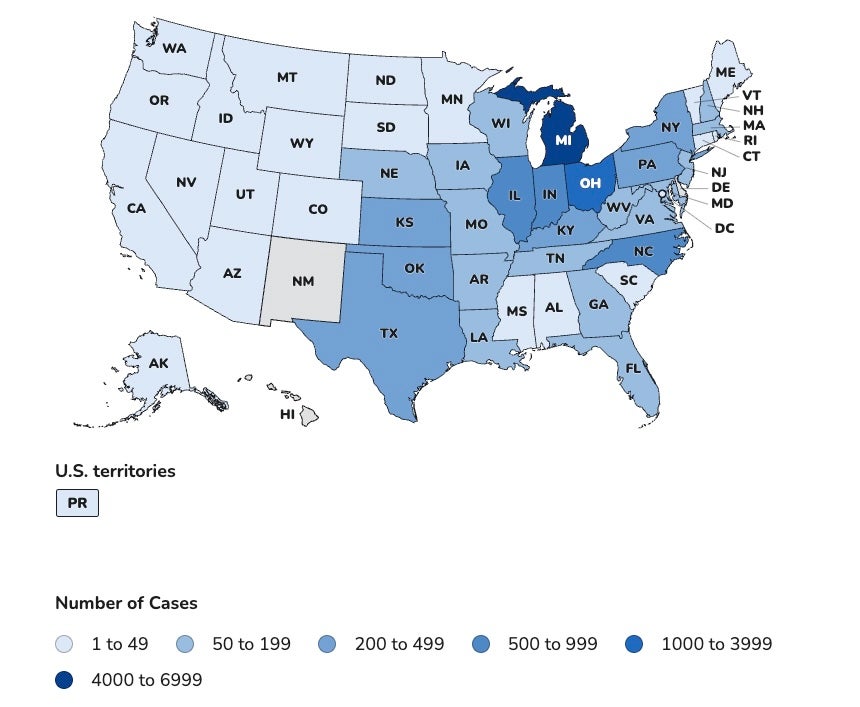
People in 40 states have fallen ill with cyclosporiasis this year after being exposed to the microscopic parasite cyclospora. More new cases were reported this week in Hawaii, Wisconsin and Nebraska.
There are currently close to 25,000 cases in the U.S., according to the Centers for Disease Control and Prevention.
Michigan - the epicenter of a major outbreak - has seen nearly 14,000 of those cases, as well as the only two deaths from infections so far.
Three smaller outbreaks total in the dozens or hundreds of cases, the FDA data shows. The largest increased by 60 cases this month, totaling 172 people who have fallen ill.
Cyclosporiasis is mainly caused by contaminated produce and past outbreaks have also been traced to cilantro, raspberries, basil and snow peas. The parasite lives in human waste and can hitch a ride in water on crops or when an individual handles contaminated crops.
Infections are typically not life-threatening but very uncomfortable, leading to vomiting, nausea and dehydration that may land people in the hospital.
Symptoms don’t usually appear until two weeks after people are exposed. By this time, patients may have forgotten what they had consumed and tainted products may already be out of grocery stores. That’s part of why tracing outbreaks has been so tricky.
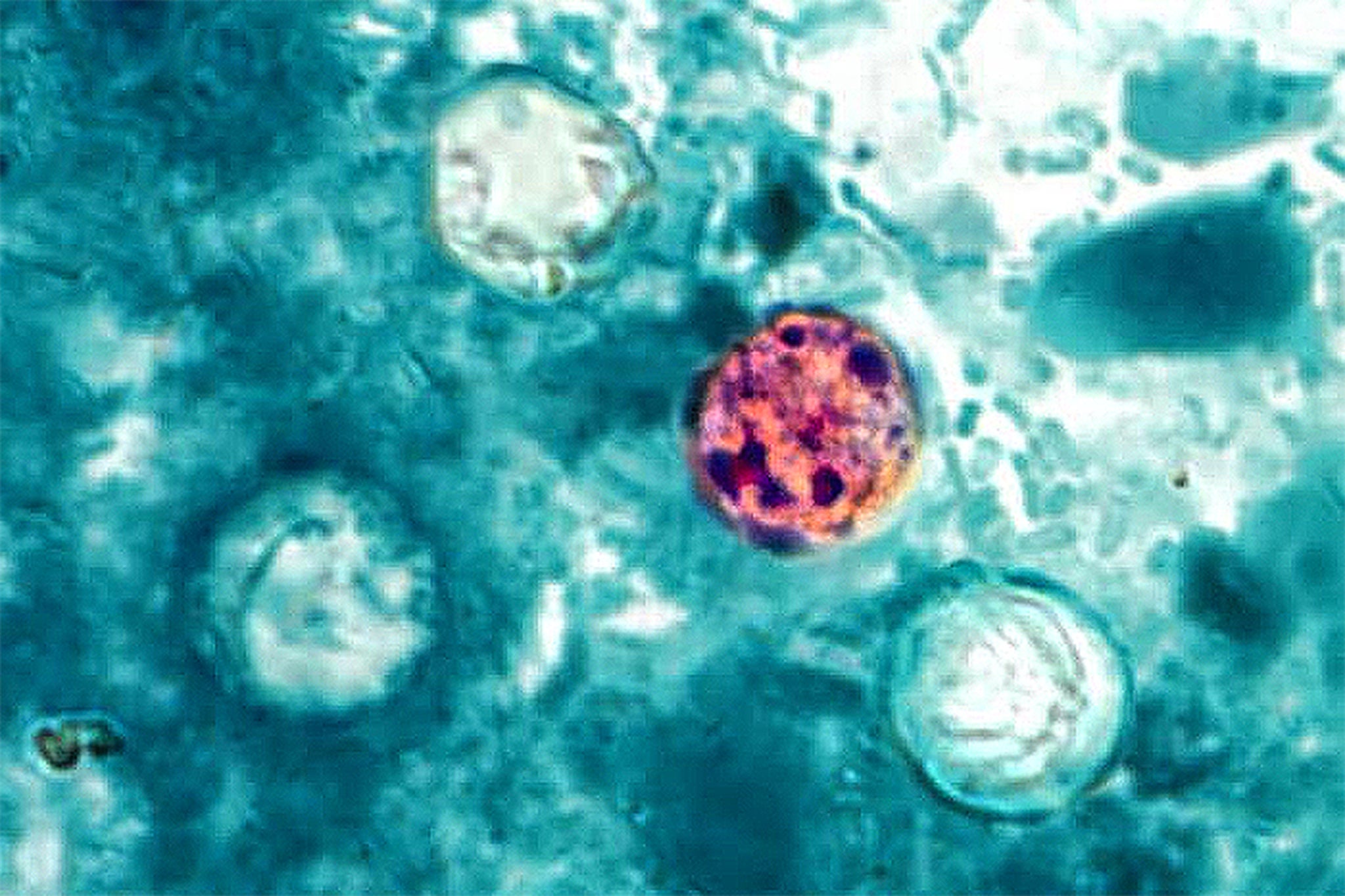
Cyclospora, which is only spread by humans, cannot be traced using advanced testing methods for bacteria and pathogens.
"FDA relies on whole genome sequencing to effectively fingerprint a pathogen to try to isolate a particular pathogen to a particular outbreak to a particular grower. You don't have that in this case,” former FDA Commissioner Scott Gottlieb previously told Reuters.
To stay safe, the best way to avoid the parasite is to cook food to a temperature of 158 degrees Fahrenheit. Washing produce well can limit the chance of exposure, but does not eradicate the parasite.