Unsustainable sea-farers: the last Bajau sea nomads
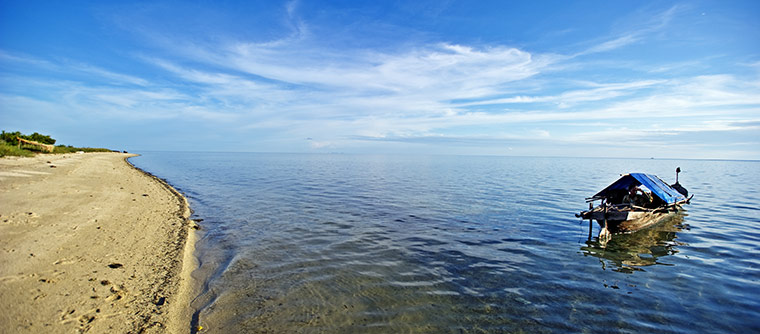
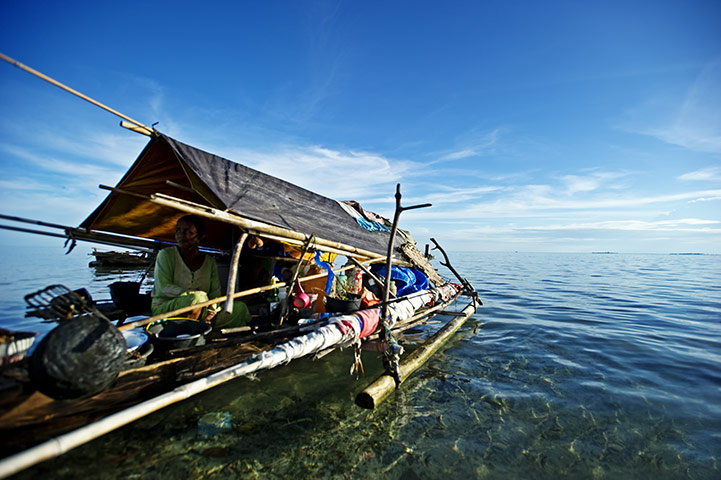
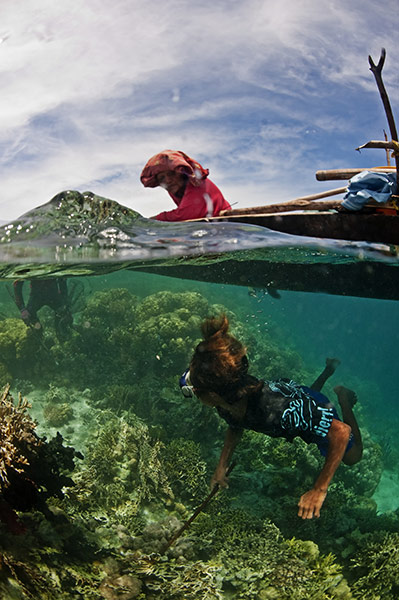
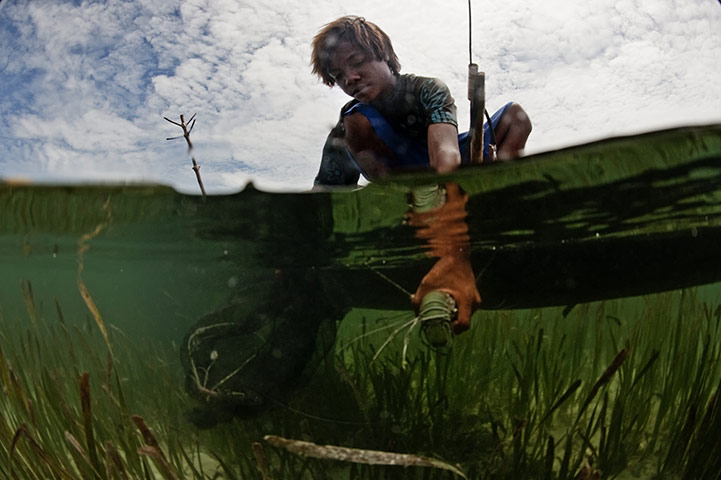
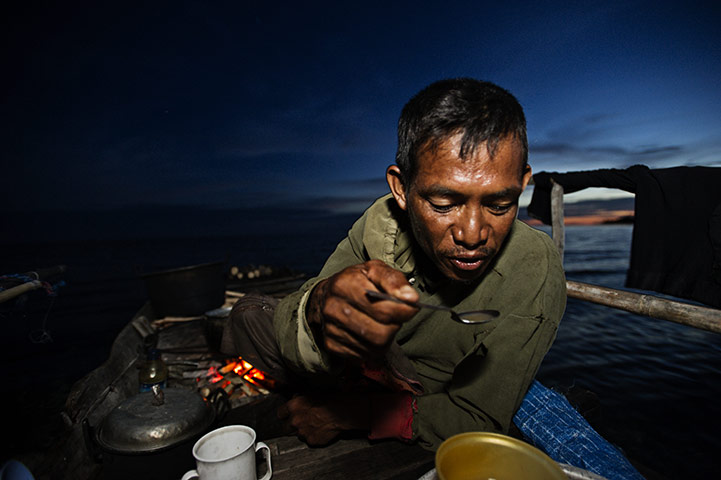
Now in her 50s, Ibu Diana Botutihe is one of the few remaining Bajau to have lived her entire life on a boat, visiting land only briefly in order to trade fish for rice, water and other staples. What makes Diana's life at sea all the more remarkable is the fact that her traditional lepa-lepa boat measures just 5m long and 1.5m wide Photograph: James MorganAs one of the world's last surviving sea nomads, Diana's cramped boat is filled with the accoutrements of everyday living – jerry cans, blackened stockpots, plastic utensils, a kerosene lamp and a pair of pot plants. Malay people have lived at sea for centuries, plying a tract of ocean between the Philippines, Malaysia and Indonesia Photograph: James MorganIbu Ane looks on as her son Ramdan forages the reef for clams. Since Ane's husband died of the bends as a result of diving, she has relied on her son to support her during their six-month-long stints at seaPhotograph: James Morgan
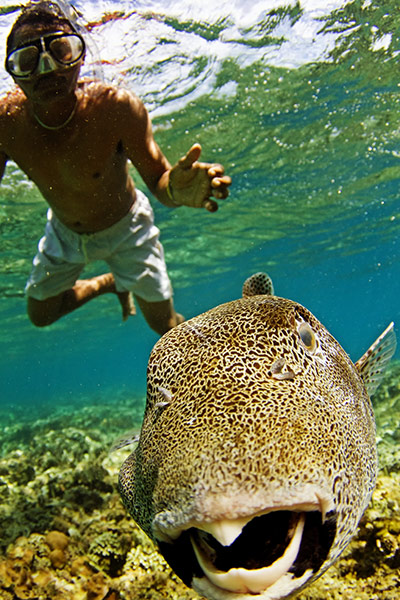
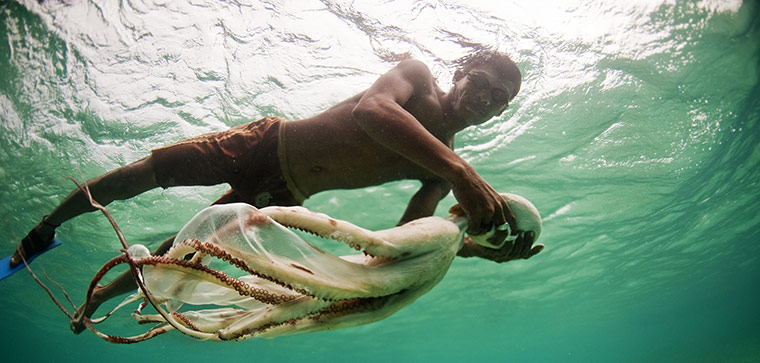
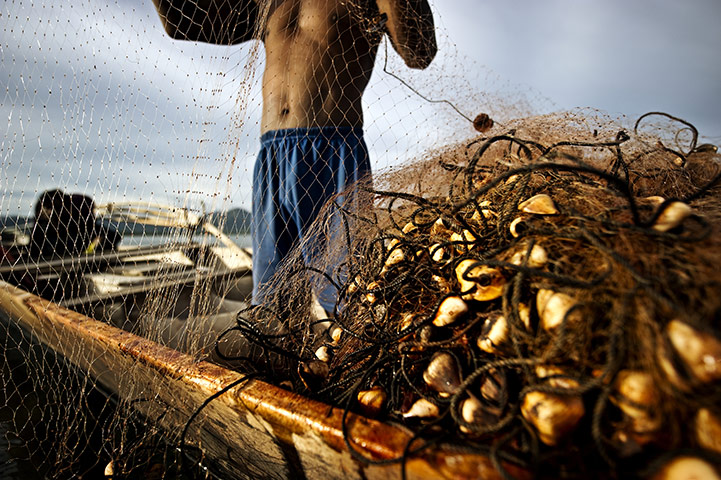
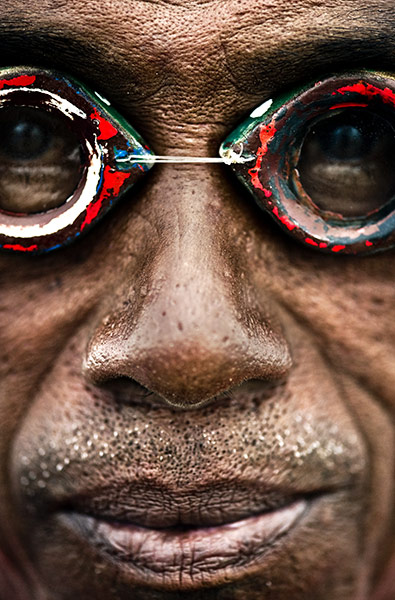
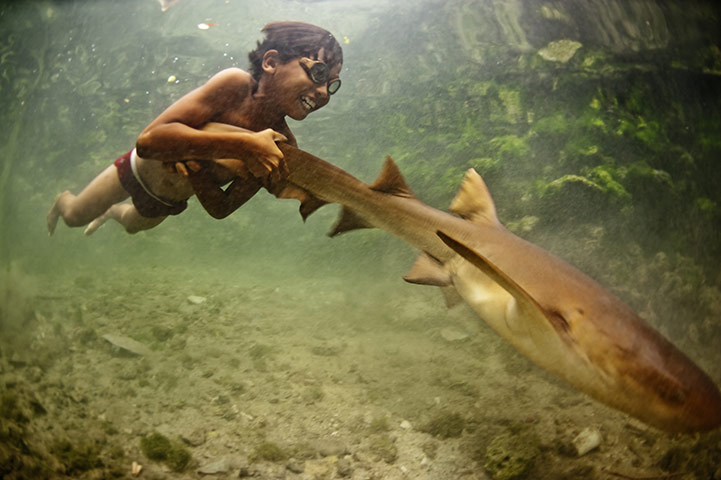
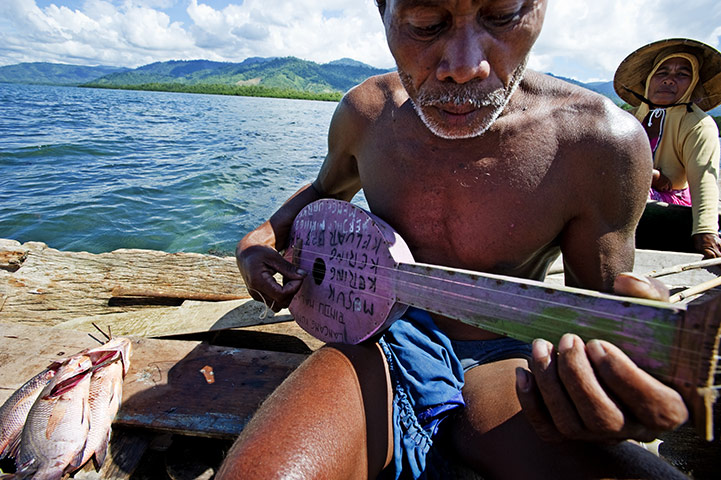
Marine nomads such as Imran in Sulawesi, Indonesia, are highly skilled. To avoid a painful bite, Imran will catch this box fish by placing his thumb and forefinger in its eye sockets. Once the fish is essentially blindfolded, Imran will lead it back to his boatPhotograph: James MorganJatmin, an octopus specialist, swims back to his boat carrying a freshly speared cephalod mollusc Photograph: James MorganSince diving is the main occupation for the Bajau people, they deliberately rupture their eardrums at an early age. Unsurprisingly, most older Bajau are hard of hearing. They hunt with spear guns fashioned from boat timber, tyre rubber and scrap metalPhotograph: James MorganBada Ipus lays out a square kilometre of net. He says that when he was young his nets were much smaller – but his catches were much biggerPhotograph: James MorganMoen Lanke, wearing his hand-made wooden goggles seconds after freediving for clams with a tyre iron. The weight of the iron holds him down on the ocean floor, allowing him to run along the reefs and hunt for pearls and sea cucumbersPhotograph: James MorganWhile few young children are now born on boats, the ocean is still very much their playground – as demonstrated by Enal, photographed playing with his pet shark in Wangi Wangi, IndonesiaPhotograph: James MorganPak Siding Salihing improvises a song. Traditional Bajau cosmology is a combination of animism and Islam that reveals a complex relationship with the oceanPhotograph: James MorganCharities such as WWF and Conservation International are helping create marine management programmes that encourage sustainability through no-fish zones and a return to traditional fishing methods. It is often the Bajau who pass on such programmes to local communitiesPhotograph: James Morgan
Sign up to read this article
Read news from 100’s of titles, curated specifically for you.