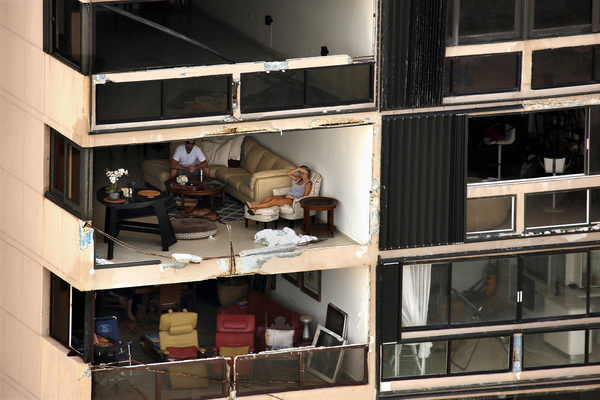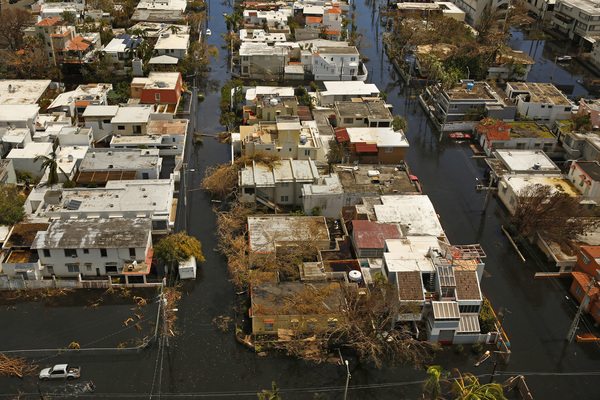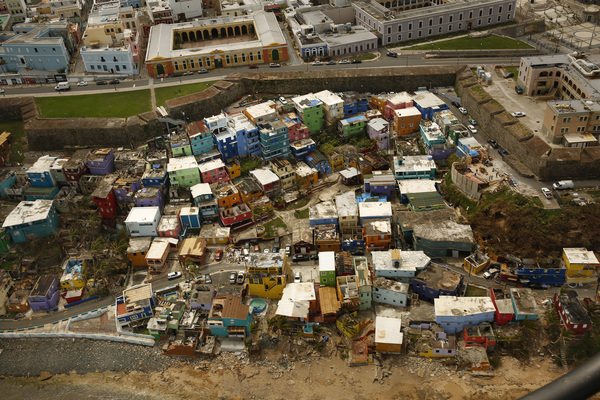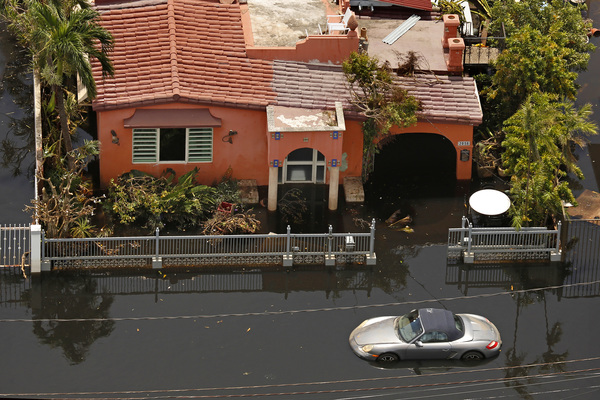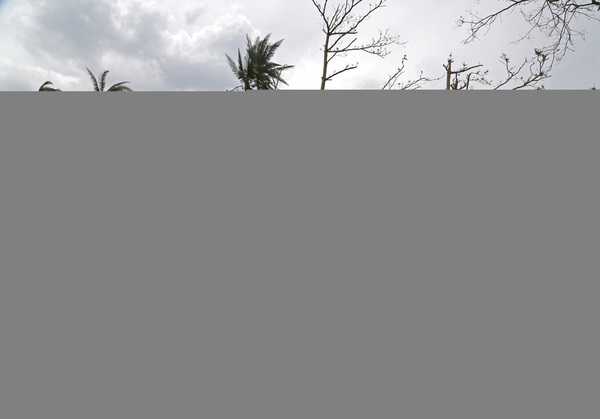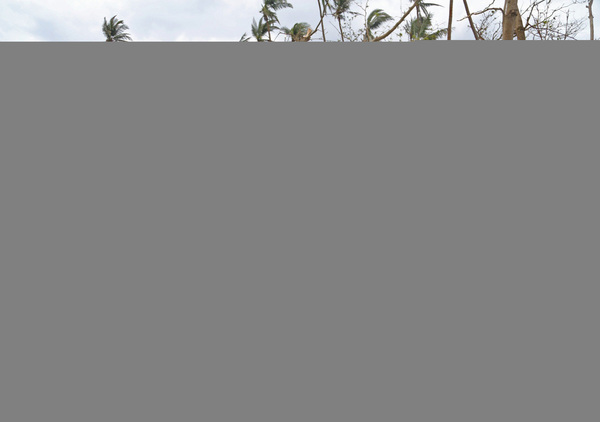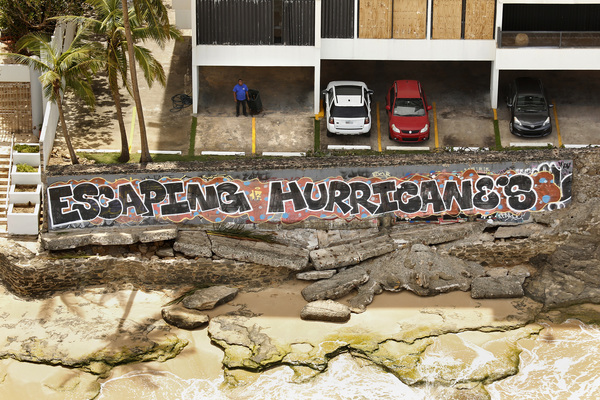
LOIZA, Puerto Rico_Spend a day wending down unpredictable country roads outside San Juan and the hurt Hurricane Maria inflicted on Puerto Rico becomes crushingly evident.
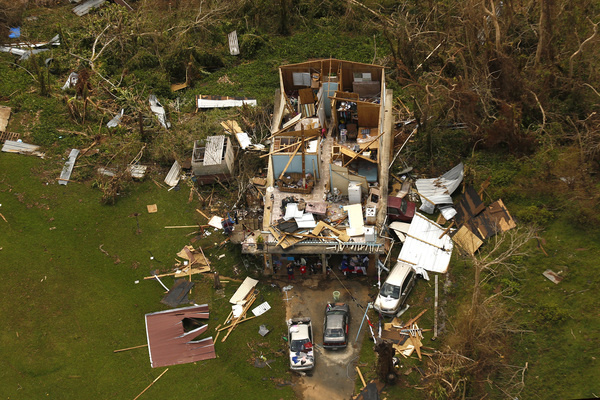
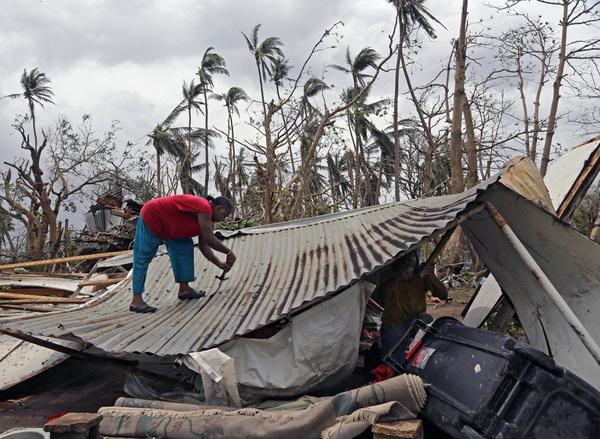
Maria drenched town after town east of the capital, dumping so much water that people who had already lost their roofs to the Category 4 storm's winds, and then saw their few belongings washed away by unrelenting water.
And the floods threatened the island's western reaches too. A crack opened Friday in the nine-decade-old Guajataca Dam, forcing the evacuations of about 70,000 people in the towns of Isabela and Quebradillas, west of where Maria's eye left Puerto Rico Wednesday. The mountains near the dam got more than 15 inches of rain after Maria left, overfilling the reservoir.
"It's time to get people out," Gov. Ricardo Rossello said as a fleet of buses was cobbled together to take residents away from the region.
Still, the picture of Maria's aftermath continues to be frustratingly incomplete. Many of the island's far-flung corners _ and pockets much closer than that _ remain inaccessible because of submerged roads and nonexistent cellphone service. At the same time, San Juan, always a haven of relative privilege, came back to life.
Hurricane Maria, a storm with winds of 155 miles per hour, slammed into the east coast Wednesday morning, the first storm of such intensity to hit Puerto Rico in more than 80 years. The storm demolished an island already suffering from years of economic crisis and that had been grazed this month by Hurricane Irma, which left tens of thousands of people without power before Maria arrived.
The island is now a federal disaster zone and Friday capped another frantic day of rescue, relief and evacuation efforts.
The mayor of Toa Baja, a town west of San Juan, said eight people had drowned. Puerto Rico's government confirmed six deaths, including three in Utuado who died in a landslide. A hospital in the city of Bayamon had to move patients because there was no fuel to run generators, the mayor told the newspaper El Nuevo Dia. In the chaos, 13 inmates at a jail in the same city escaped, although eight were promptly recaptured.
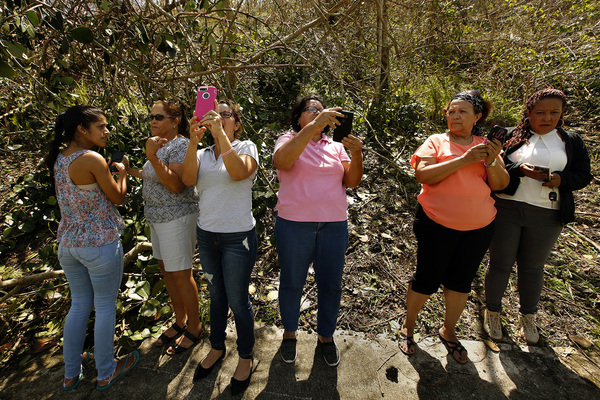
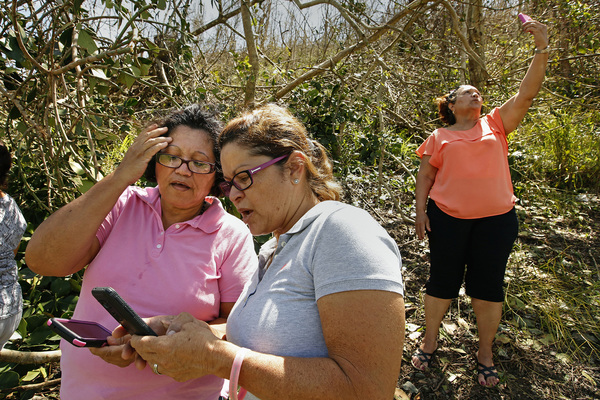
Transportation continued to be a challenge as authorities closed road after road because of overflowing rivers. Electricity remains out for the entire island. A government spokesman told the Associated Press that Maria took down 1,360 of the island's 1,600 cell towers, and authorities had yet to communicate with 40 of the island's 78 municipalities.
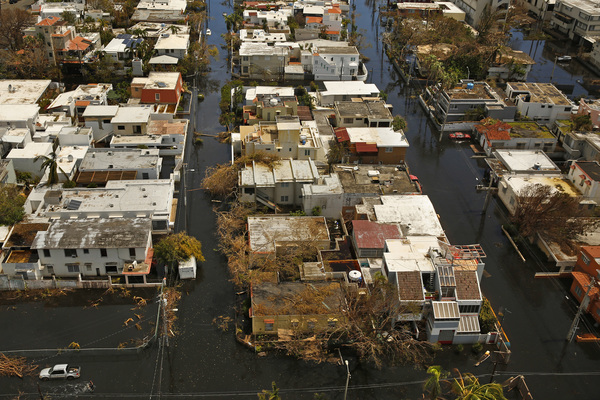
"We have nothing. Nothing, nothing. There is nothing," said Alana Pizarro, who stood ankle-deep in muddy water in Loiza, a beach town whose side streets flooded as far as one could see. Reaching the ocean seemed impossible.
Cars and people came and went and Pizarro remained, staring into the horizon.
"Distracting the mind," she said. "It's not easy to lose everything."
Her life was spared because she'd moved in a few doors down into her grandmother's cement house. But everything else? Gone. "My refrigerator is over there," she said, pointing with her chin clear across the street.
"Fifteen panties, seven pants, four shirts," said her neighbor, Lizmary Bultron. "That's what I have left to wear."
The floodwaters were low enough to make dramatic emergency rescues unnecessary, but high enough to destroy all the property in their way.

Friday morning, locals lined up for more than an hour to buy fresh bread at the only open grocery store. It quickly ran out. A nearby stand made brisk sales of fruit and vegetables that survived the storm.
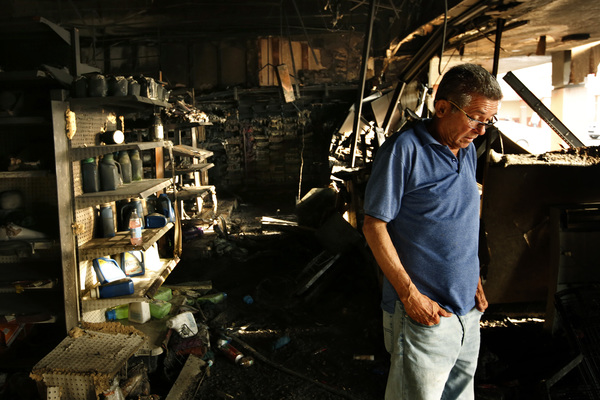
"No supplies. No communications. We ordered water two weeks ago, before Hurricane Irma. It never got here," owner Amaury De Jesus said, adding he was able to get back in business after buying 55 gallons of gas Thursday to fuel his generator. "No banks are open. We can't take credit. It's a risk. But people have been good."
San Juan was a different world.

Tree-removal crews drove around the city. Soldiers directed traffic along a closed highway. Hungry neighbors packed an Isla Verde pizza parlor.
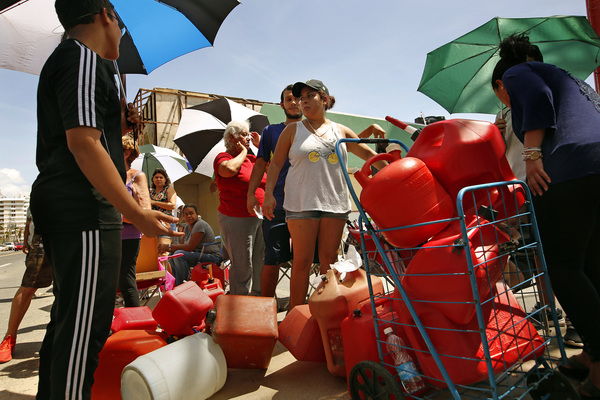
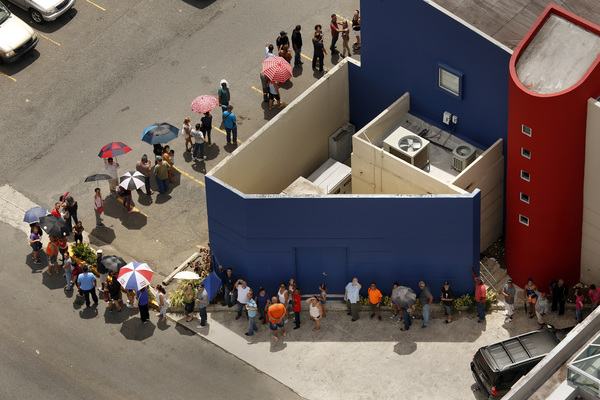
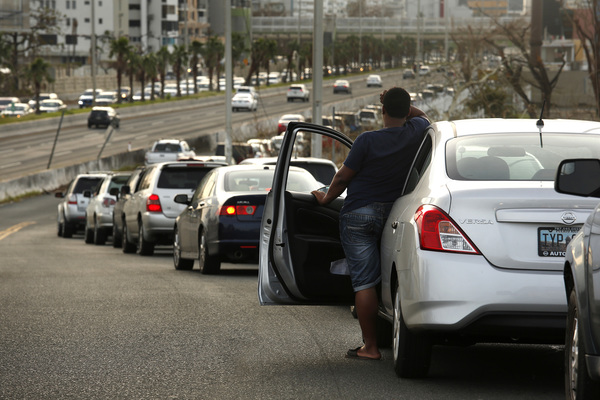
In the Miramar neighborhood Friday afternoon, lines outside the lone station pumping gas stretched for blocks, one for cars and another for pedestrians hauling portable fuel tanks. Some had been there for four hours, knowing the station had fuel and planned to fix the electrical glitch that had kept pumps from working.
����
(David Ovalle contributed to this report from Miami.)