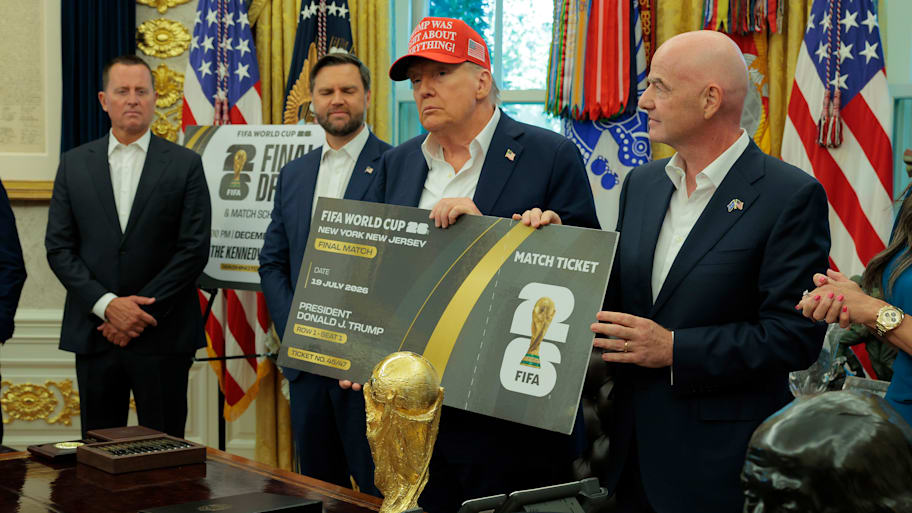
FIFA, world soccer’s governing body, have been accused of taking on the role of “scalpers” in an unprecedented ticketing resale scheme for the 2026 World Cup.
The backlash against the prices of tickets for this summer’s global jamboree was swift and severe. Initially fans were taken aback simply by the face-value figures slapped on seats, with sums rapidly spiraling towards four digits as early as the quarterfinals. Yet, those eye-watering numbers would soon pale in comparison to the fees spat out by the uncapped resale system FIFA are operating.
Taking advantage of regulations (or lack thereof) unique to the United States and Canada—two nations which will, between them, host 91 of the 104 World Cup fixtures in 2026—FIFA are legally entitled to run their own official resale platform which banks them 30% of every secondary transaction. This has caused uproar.
Football Supporters Europe (FSE) and the campaign group Euroconsumers penned a strongly worded letter to FIFA’s chief operating officer Heimo Schirgi this week which lambasted the organization’s exploitation of the rules.
“The fact that scalping is legal doesn’t mean FIFA must become the scalper,” the letter read, as quoted by The Times.
The same statement adds: “Implementing such a strategy will be perceived as revenue maximization under the guise of responding to market realities. The World Cup is not a commercial product like any other: it is a global cultural event that depends on the passion, loyalty and inclusion of ordinary fans.
“We fear that fans will continue to feel excluded and exploited by a pricing model that fails to reflect the spirit of the World Cup.”
FIFA’s Lucrative Resale Platform
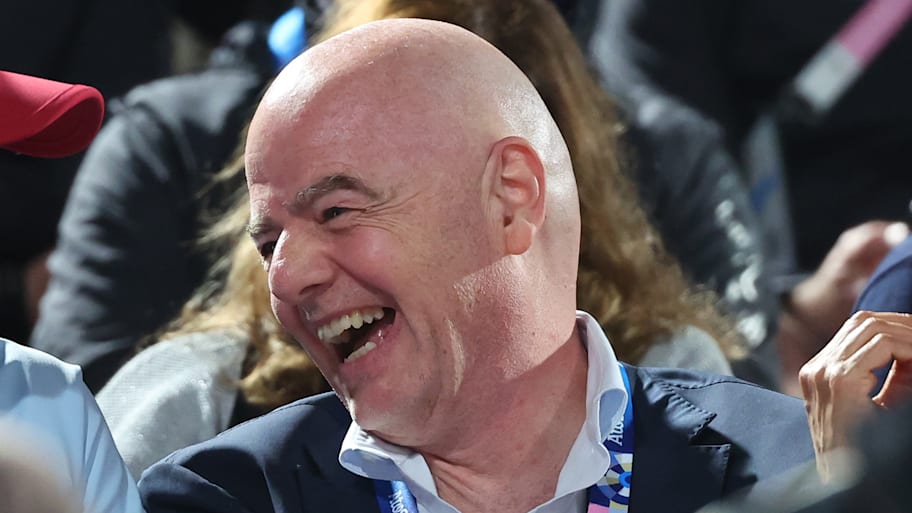
There were more than 4.5 million applications for FIFA’s first window of resale tickets when they opened in October. The hordes of jostling online buyers was music to the ears of the global federation’s accountants, thanks in part to the unprecedented fee FIFA have entitled themselves to.
Whereas resale prices were previously capped for past World Cups, FIFA have taken off any restrictions this year—thanks to the nature of the unregulated markets in the U.S. and Canada. FIFA had previously taken no more than 10% of these resale fees, but now stand to bank 15% from the buyer and 15% from the seller.
This means that FIFA earn $300 for every $1,000 spent on its resale site.
Say that one unhappy customer is trying to get rid of their ticket—perhaps the prospect of VAR being able to rule on corners is too much to bear—they can head to FIFA to cash in. Entitled to list their seat for any price they deem fit, let’s suppose that this hypothetical seller puts their ticket up for $1,000.
Any VAR enthusiast trying to get to North America would have to pay $1,150 for that ticket—with the 15% hike ($150) going straight in FIFA’s pocket. The disenfranchised fan getting rid of their seat, however, would only earn $850, with 15% of their sale fee ($150) also going to, you guessed it, FIFA.
The governing body insist they are simply playing to the rules of this cut-throat game. “This is also a reflection of the treatment of the secondary market for tickets, which has a distinct legal treatment than in many other parts of the world,” a FIFA statement read.
FIFA also argue that resale fees will also put people off buying large tranches of tickets with the sole purpose of selling them again for a profit. FIFA are the only ones allowed to make money.
FIFA Backing Down on Dynamic Pricing
It’s not all doom and gloom on the ticket front.
Before even getting to the resale stage, fans have taken issue with the dynamic pricing system FIFA have implemented—which sees prices fluctuate wildly (often upward) in response to demand. FSE and Euroconsumers insisted that this system “has no place in football.”
FIFA have backed down in this regard and vowed to not use a dynamic or variable pricing system when they release the next batch of tickets.
Yet, FIFA wouldn’t accept all the blame. In the words of the governing body, their model “reflects the existing market practice for major entertainment and sporting events within our hosts on a daily basis, soccer included.”
READ THE LATEST WORLD CUP NEWS, PREVIEWS & ANALYSIS HERE
This article was originally published on www.si.com as Unprecedented 2026 World Cup Ticket Prices Spark Wild Accusations Against FIFA.