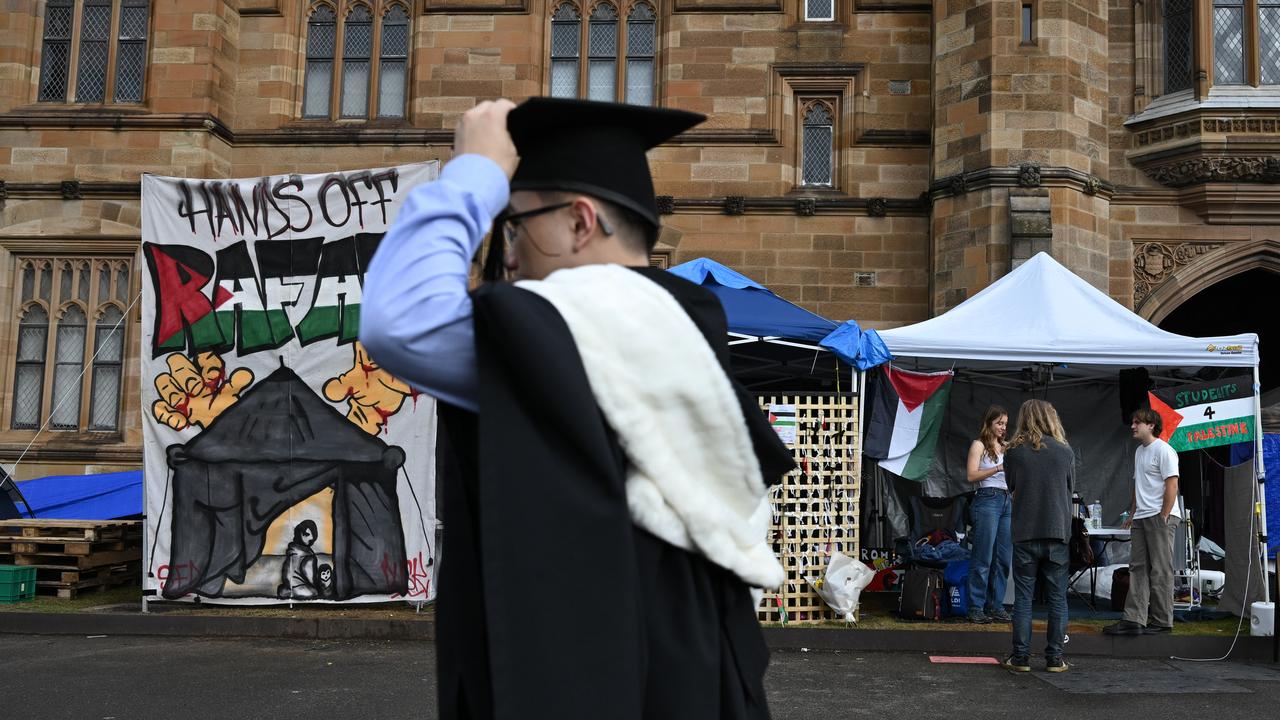
Universities have detailed their years-long struggle upholding free speech principles while cracking down on combative pro-Palestine protests.
The Royal Commission on AntiSemitism and Social Cohesion is spending a week hearing from university staff and students about their experiences of hatred as it tries to untangle hate speech from criticism of Israel.
The tension was central to a royal commission hearing on Wednesday, during which university vice chancellors defended the need for academic freedom.
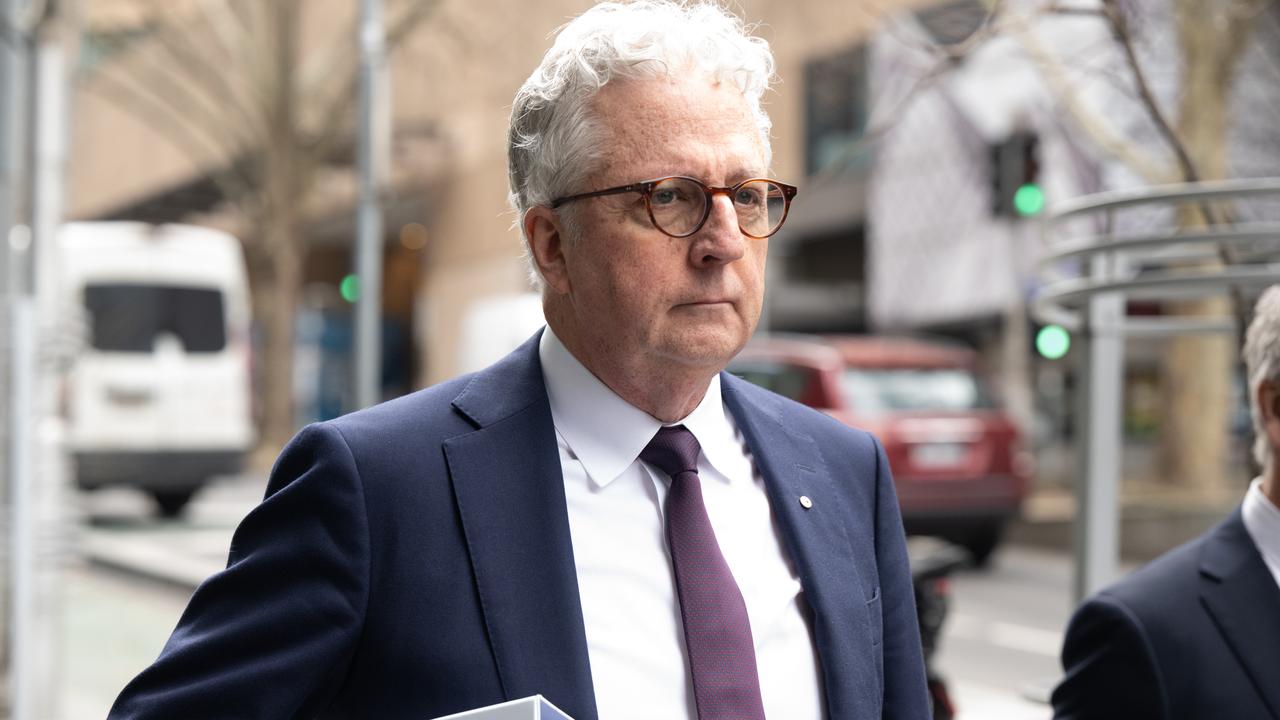
Sydney University vice-chancellor Mark Scott said he had not bent to pressure to ban pro-Palestine slogans like "from the river to the sea" even though he "wished the phrases were not used".
"One of the things I think we were very conscious of is that there's an expectation at a university that we will be bastions of free speech and academic freedom," he said.
"They are not rights without constraint, but there's an expectation that a university should be able to facilitate those things."
The full saying "from the river to the sea, Palestine will be free" is a reference to the land between the Jordan River, which borders eastern Israel, and the Mediterranean Sea to the west.
It is commonly used as a liberation cry for Palestinians. Hamas, designated a terror organisation in Australia, includes similar wording to the slogan in its constitution as part of its rejection of Israel.
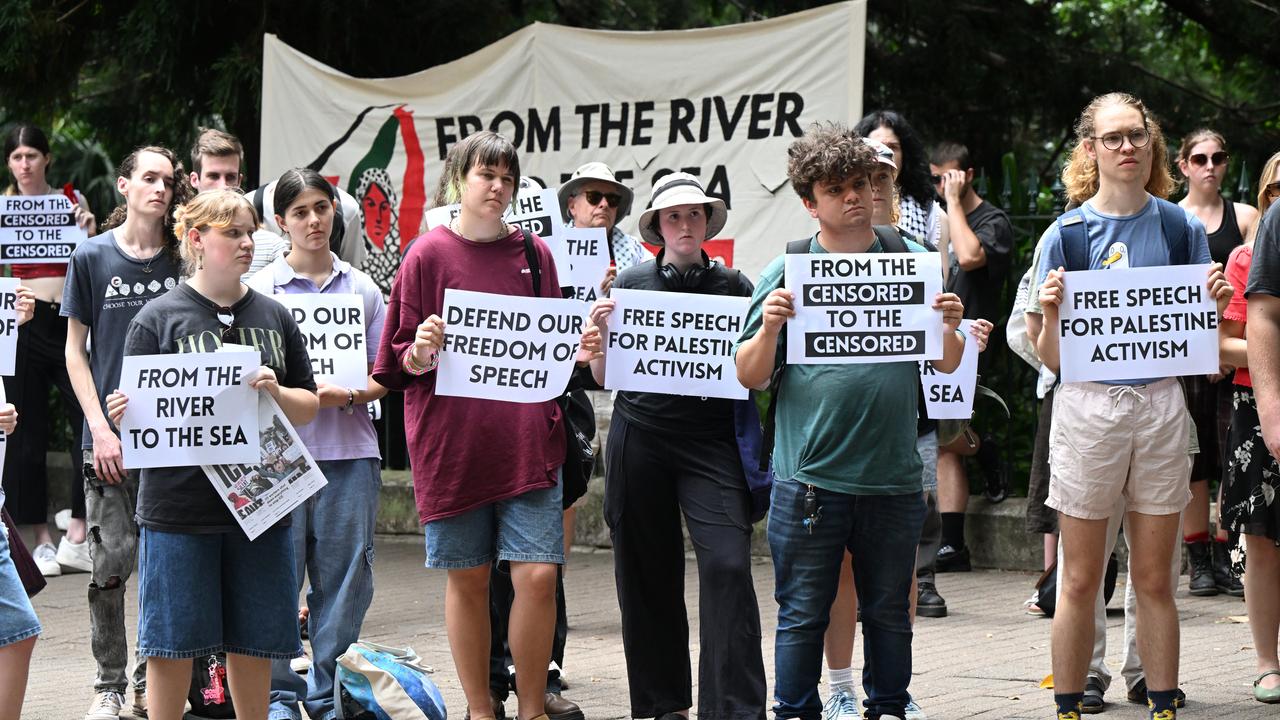
The phrase has not been banned federally or in NSW, although it has been outlawed in Queensland.
"That seemed a disconnect that was hard for us to deal with," Professor Scott said.
The university enacted changes to its flag policy in 2025, banning flags that were "inconsistent with (university) values" or that represented unlawful activities.
Palestinian flags were not generally banned under the policy, although they could fall into the categories depending on use.
Prof Scott said the university's priority was to "try and see a peaceful resolution" on campus, including for pro-Palestine encampments in 2024, but that it may have been a "real failure" not to consult further with Jewish groups.
Other universities, including Melbourne, made significant changes to its rules in response to pro-Palestine protests.
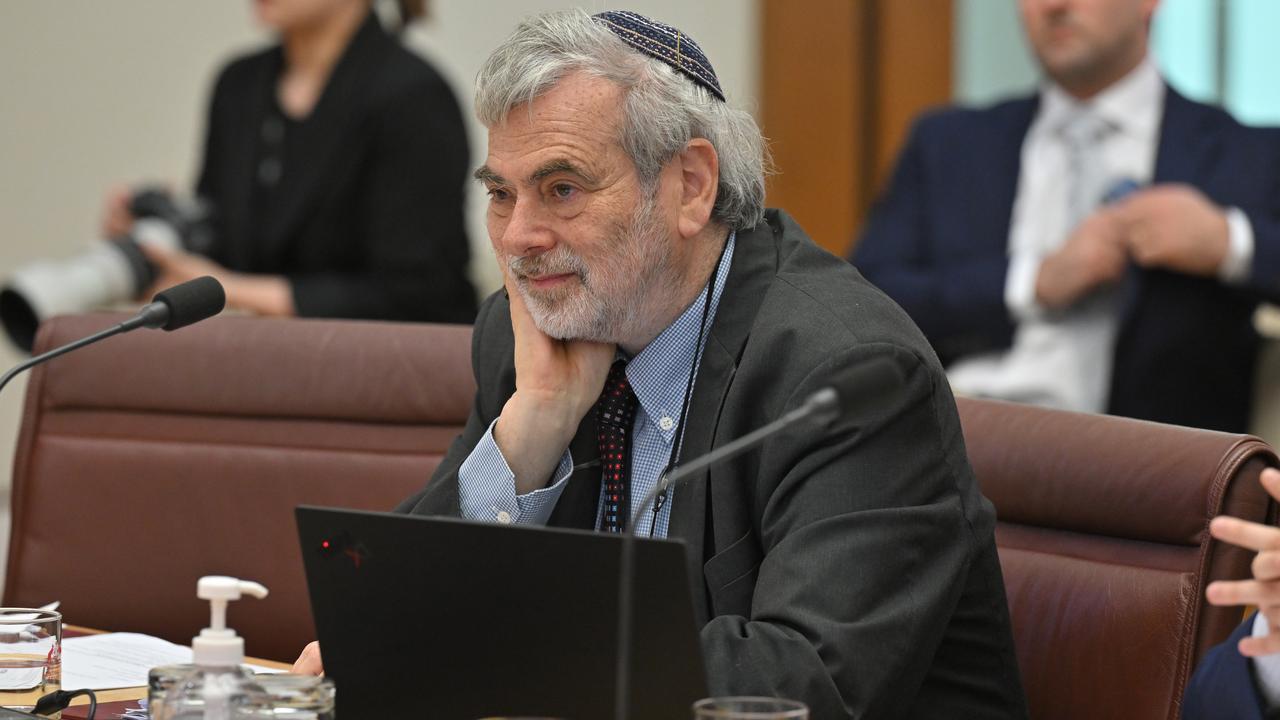
The inquiry earlier heard Melbourne University physics academic Steven Prawer was targeted in 2024 over his facilitation of a joint PhD program with the Hebrew University of Jerusalem.
The institution subsequently received a letter from Victoria Police asking for it to carefully consider the risks in allowing a related pro-Palestine encampment to continue on campus, interim vice-chancellor Glyn Davis said.
More than 20 tents housing 50 protesters were erected on campus the day the letter was received.
They were ordered to leave by then-vice chancellor Duncan Maskell, but they refused and a lengthy negotiation process ensued.
The university later changed its by-laws to disallow camping on campus.
Wi-fi logins were also used to identify students who were at pro-Palestine rallies and encampments.
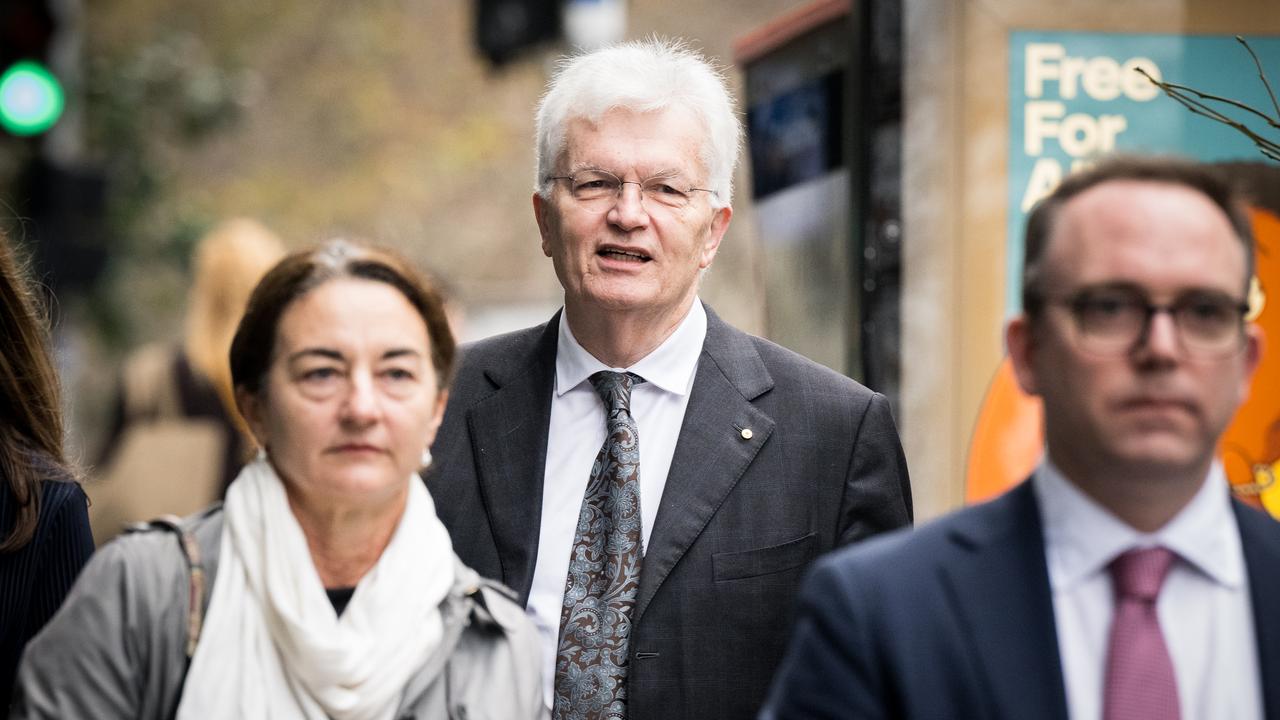
Professor Prawer said the university had not kept him abreast of an investigation into the incident.
He was not told the identities of protesters so could not avoid them on campus.
Prof Davis said while he understood his colleague's concerns it was important the process was confidential, given it related to young adults at the start of their careers.
"The way (the process) is structured is to try not to make a stain on the rest of their lives by an adverse decision by the university," he said.
Protesters were only able to occupy the office because a door was left open as a new security swipe system was installed in response to earlier targeting of Prof Prawer.