RESEARCHERS have used drones to gain new insight into how much faeces sea cucumbers produce, revealing it is equivalent to five Eiffel Towers in weight, every year, on just one reef.
Researchers from the University of Newcastle (UON), Macquarie University and James Cook University published their study Putting sea cucumbers on the map: projected holothurian bioturbation rates on a coral reef scale, after using remote sensing data obtained from drone and satellite imagery of the Heron Island Reef in Queensland.
Sea cucumbers eat sediment, digest the micro-organisms and excrete clean sediment, which helps coral reefs by aerating the sea floor, providing fresh sediment, and releasing calcium carbonate into the water, which supports coral growth.
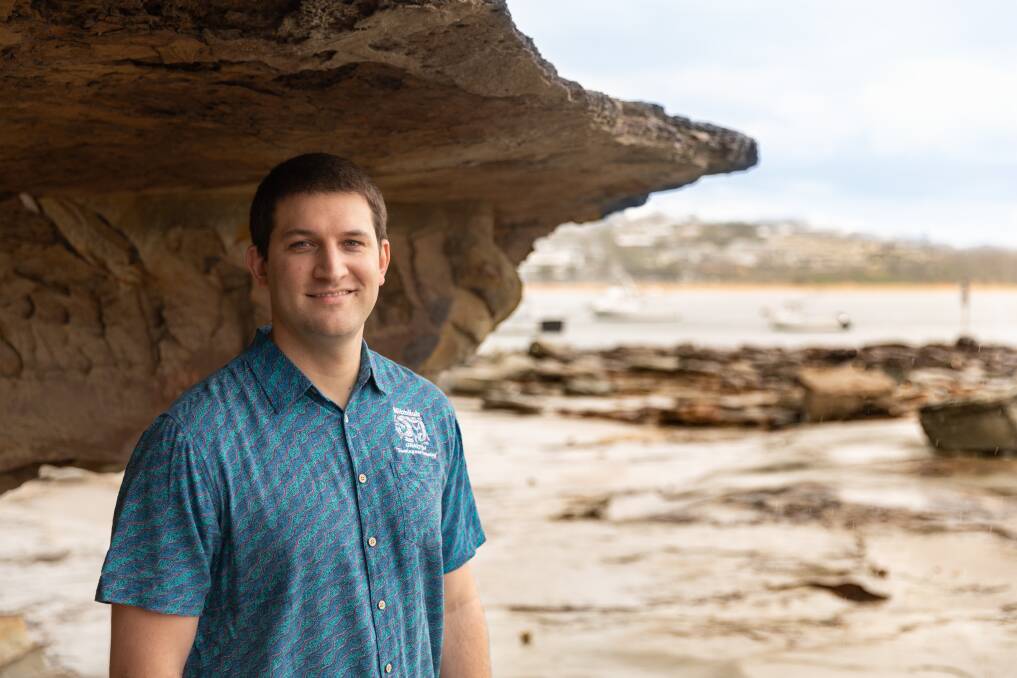
UON marine scientist and study co-author Dr Vincent Raoult said researchers found sea cucumbers can poop over 60,000 tonnes of sediment across a reef each year.
"It is likely that most of the sediment found on coral reefs has been through a sea cucumber many times, and therefore the disappearance of these creatures would have negative flow-on effects to reef ecosystems."
Sea cucumbers are overfished.
Dr Raoult said Australia "can't just ignore the fact that sea cucumbers are disappearing" if it wants healthier reefs.
For faster access to the latest Newcastle news download our NEWCASTLE HERALD APP and sign up for breaking news, sport and what's on sent directly to your email.