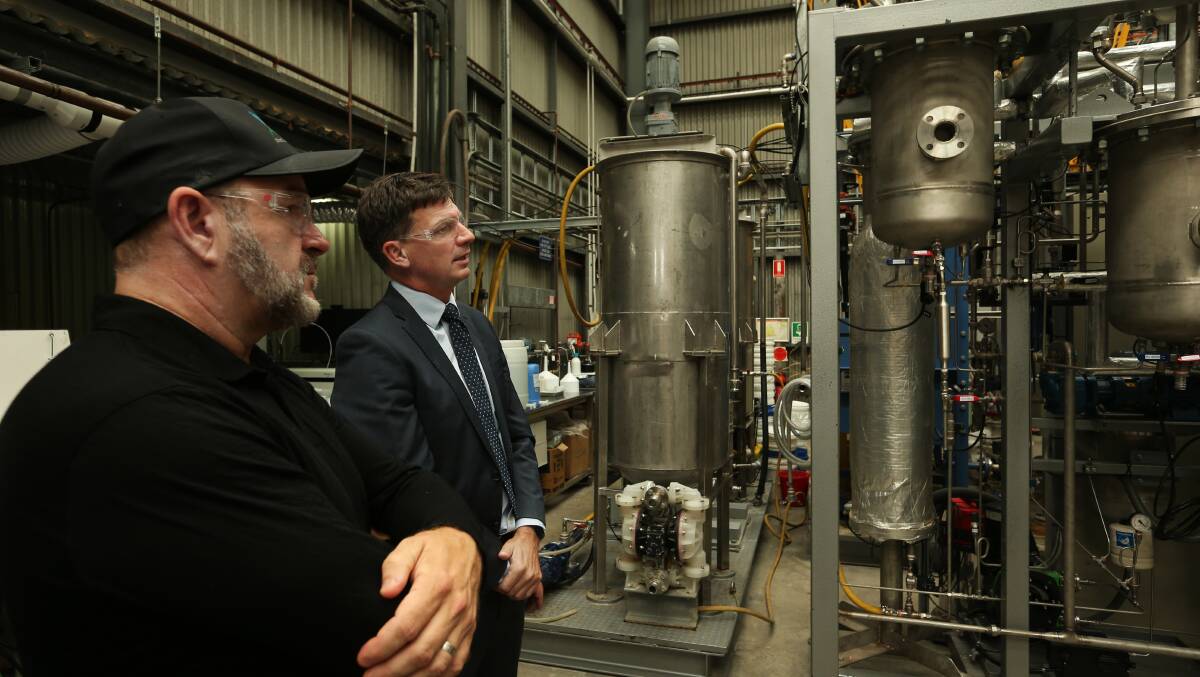
ONE of Japan's largest conglomerates Itochu Corporation has confirmed buying a stake in Mineral Carbonation International (MCi), a "clean tech" company with a pilot plant at the Newcastle Institute of Energy and Resources at Shortland.
As well as selling its "cornerstone" stake to Itochu, MCi has confirmed it is looking to raise more capital from a group of "invited select investors".
MCi is privately owned with Canberra-based Greenmag holding 53 per cent and Orica with 35 per cent. Orica describes MCi's technology as "reacting industrial CO2 emissions with alkaline mine waste to produce a range of carbonate products for the construction sector".
MCI announced a memorandum of understanding with Itochu in May, before winning a $14.6 million grant from the federal government in June to build a demonstration plant at Orica's Kooragang Island facility.
Itochu says it hopes to use MCi's technology in Japan using CO2 from steel plants and power stations.
ASIC documents show shares in the privately traded MCi have risen substantially this year.
They show an Itochu subsidiary paid $6.7 million for its 3.2 per cent stake.
Minority shareholders in MCi include Newcastle University's TUNRA.
In its statement confirming its investment yesterday, Itochu said it decided to invest in MCi because it believed "this technology could be made quickly practical" and that interest from customers in the steel, electricity and other industries - needing to abate CO2 emissions - was "high".
"MCi has pursued research and development into mineral carbonation technologies and possesses the technology to produce calcium carbonate by having CO2 react with by-products of the steelmaking process (slag), coal ash produced by thermal power plants, and other industrial waste materials containing magnesium or calcium (such as waste concrete)," Itochu said.
"This technology has attracted widespread attention from the industrial world as a technology that could accelerate the global trend towards decarbonisation by both permanently locking away CO2 in a solid form and creating useful products."
MCi said it wanted to build its "carbon plants" close to its industrial customers, in order to capture their CO2 emissions and convert them into solid materials known as carbonates.
It said these carbonates would then be sold and used to make "a range of new low carbon construction and building materials, chemicals, cements, concretes and even household consumer products."
RELATED READING:
- Carbon capture nanotechnology at university
- CSIRO: Renewables 'cheaper than' carbon capture
- PEP-11 undersea area could be used for carbon capture
- Australia Institute says carbon capture and storage 'coal propaganda
- Elon Musk offers $US100 million carbon removal prize
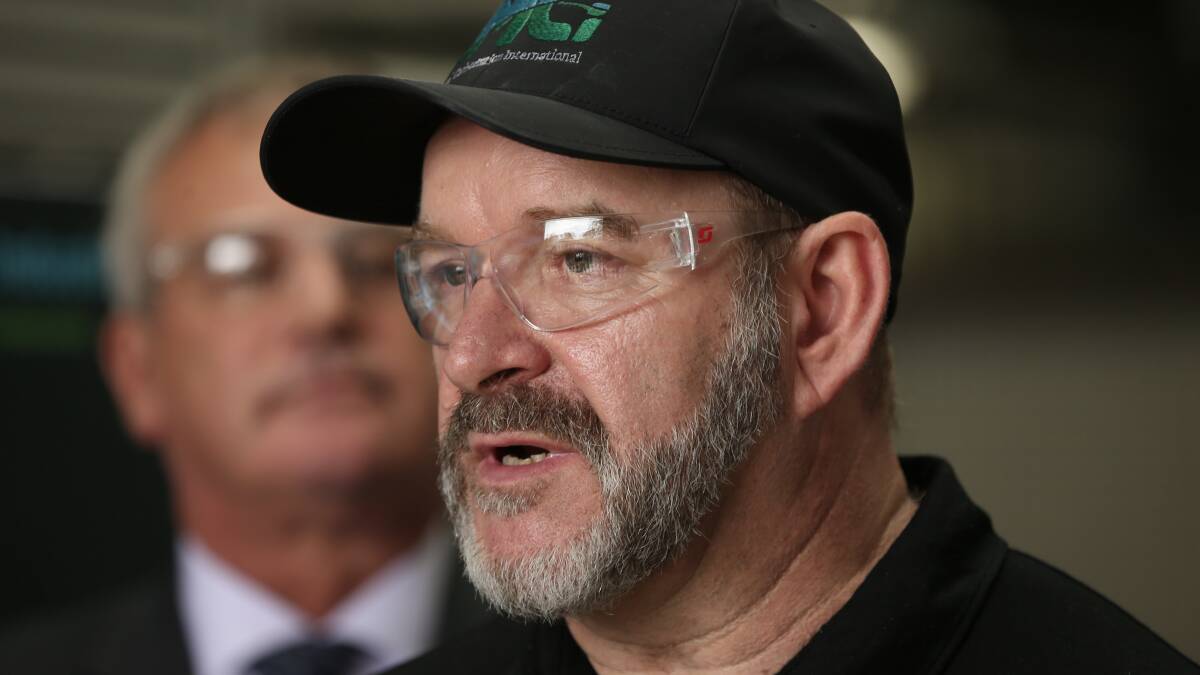
MCi chief executive Marcus Dawe said Itochu's cornerstone investment was important because it was its "first significant external capital raise".
"We only invited a select group of strategic investors into the raise with ITOCHU taking the role of lead investor and conducting a thorough due diligence process," Mr Dawe said.
"The round is set to close shortly with other investors in consideration.
"Carbon capture and utilisation (CCU) is emerging as a significant technology field that could not only help us remove carbon emissions, but also plays into a new circular economy that addresses both climate change and sustainability goals, and enables us to create value by treating carbon dioxide as a resource and not a waste."
MCI website here