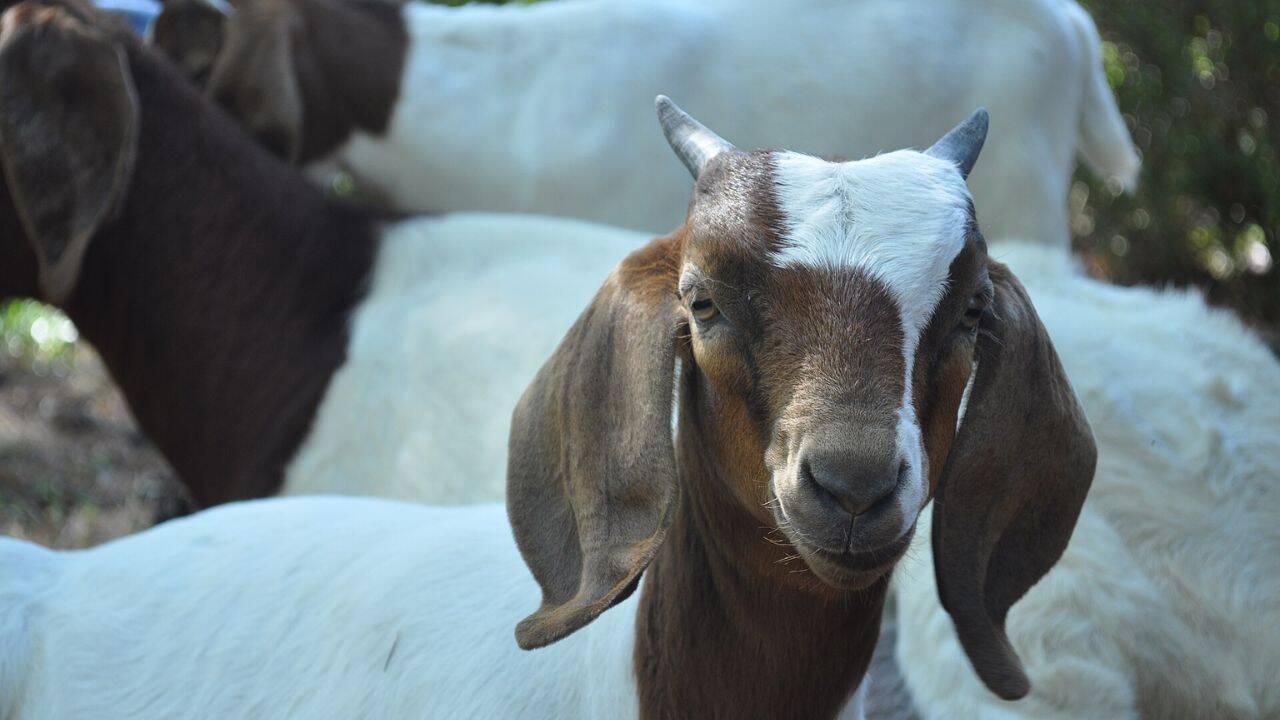
Summers in California is officially the annual wildfire season, marked by destruction and the loss of infrastructure. In response to this threat, land managers and organisations are shifting from machines to natural solutions for protecting sensitive landscapes. One popular example is ‘Universal Studios Hollywood,’ which has started using a massive herd of hungry goats to protect its iconic production lot and surrounding hillsides.
Get breaking news anytime, anywhere. Download the TOI app now!
This approach is known as targeted grazing, and involves using animals to eat a lot of dry brush and overgrown vegetation that would act as fuel for fast-moving flames. By including these goats in the safety protocols, the studio aims to create a more resilient environment. This method represents a shift towards eco-friendly land management that balances modern safety requirements with tradition.
Why the Universal Studios is using a goat crew for fire resistance
‘The Independent’ reports that almost 500 goats have returned to Universal Studios for the second year in a row. Instead of being in a new movie production, these goats are assigned an important role in wildfire prevention across hundreds of acres of hills. This season, the herd successfully cleared 77 acres of dense vegetation in just one month, consuming thousands of pounds of wildfire fuel every day.
Jorden Anderson, a senior director at the Studio, explained that using animals is much safer than gas-powered machinery. Equipment like mowers and hand tools, can accidentally flip rocks or produce sparks from exhaust systems, which creates a serious danger in dry conditions. By employing goats, the studio removes the risk of machine fires while managing the brush that can grow as high as six feet.

What does the research say about grazing and fire prevention
Scientific evidence supports this natural method as a viable way to mitigate risk. Information compiled by ‘Rent A Goat’ indicates that the goats do not stop wildfires entirely, but well-managed grazing can significantly reduce the fuel that allows flames to spread. A 2014 review published in the journal iForest says that targeted grazing is an effective, low-cost, and non-polluting way to manage wildfire fuels.
The review found out that goats are expert at consuming flammable material smaller than a quarter of an inch, such as dry grasses and pine needles. Furthermore, goats also help in reducing ‘ladder fuels’ (the low brush and branches that allow ground fires to climb into the tree canopy). This creates a safe gap between the ground and the treetops, making fires easier to manage.
Which environment is favorable for these grazing animals to excel at their job
Goats have a distinct advantage on terrain that is difficult for humans to navigate. They are particularly effective on steep, rocky slopes and deep canyons where heavy machinery would be unsafe to operate. These animals are also ideal for the ‘wildland-urban interface’(the brushy boundary where residential neighbourhoods meet open spaces).
Because goats consume the vegetation on the spot, there is no need for crews to take away heavy loads of cut material, which simplifies the clearing process. They also provide an eco-friendly method for clearing land near waterways where the use of chemical herbicides is restricted. This makes them a versatile solution for landscapes in California.
What are the practical limits of using goats
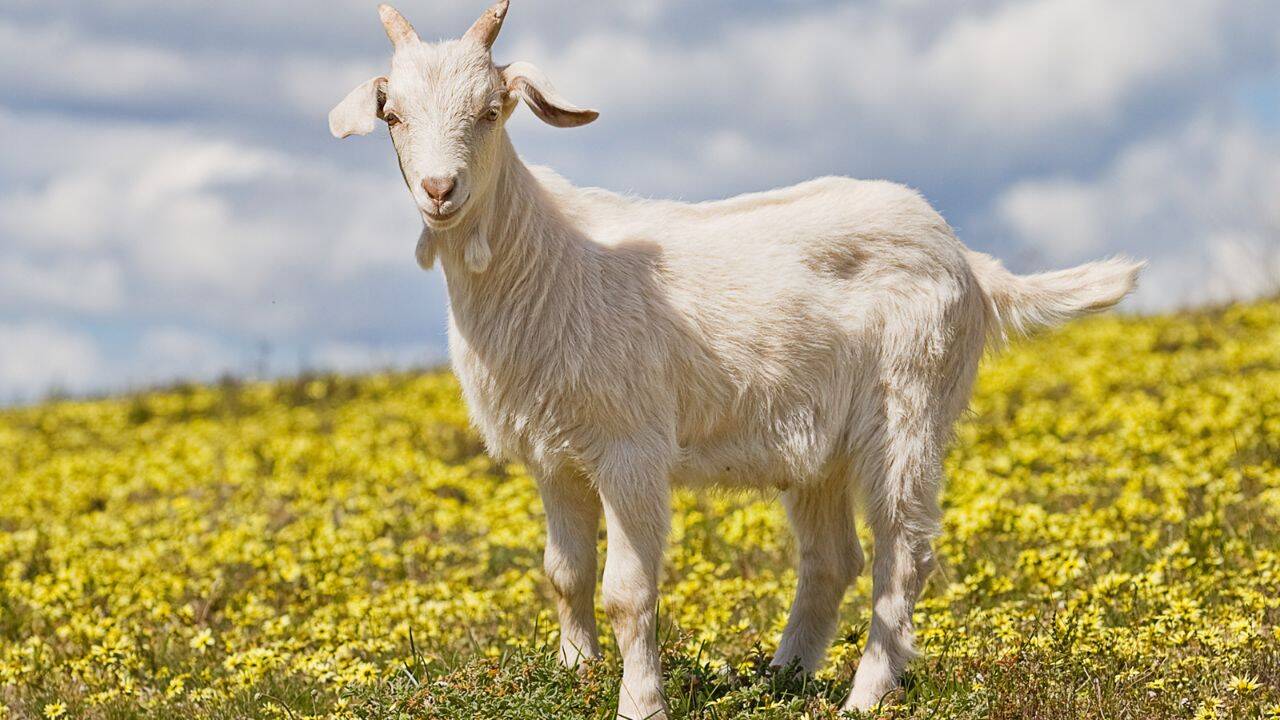
While the benefits are many, experts emphasize that goats are not a ‘one-time cure’ for fire danger. It is important to understand that no service can make a property entirely fireproof, because vegetation can naturally grow back, requiring seasonal repetition of the grazing. Goats are also limited in what they can eat; they do not remove large trees or dead standing timber.
Furthermore, some land managers argue that grazing can become impractical or costly when applied to extremely large areas of land. For organisations like Universal Studios, the most successful result comes from using goats as a ‘first pass’ maintenance tool within a future safety plan. This complete strategy usually includes mechanical work, hand crews to trim higher branches, and hardening structures to make them more fire resistant.
How are these herds managed and protected on the job
‘The Independent’ highlights the human element and the management of these large herds, noting that the operation at Universal is run by a family-owned business called Fire Grazers. Managed by Michael Choi and his brothers, the company was passed down from their father and has grown exponentially as demand for natural fire prevention increases.
The herd is not just a group of workers, it is a growing community, with 30 baby goats born right on the Universal Studios Lot this year. The company employs two guardian dogs named Noni and Joy, to ensure the safety of the herd from local predators like coyotes. These dogs roam around the hillsides day and night, making sure that the goats graze in peace. Areas which were cleared last year have seen the return of native plants and decline of the invasive weeds, giving birth to a healthier and more manageable landscape.