The Tanzanian government has agreed to set aside a unique forest as a new nature reserve after research revealed it was about to be wiped out for good.
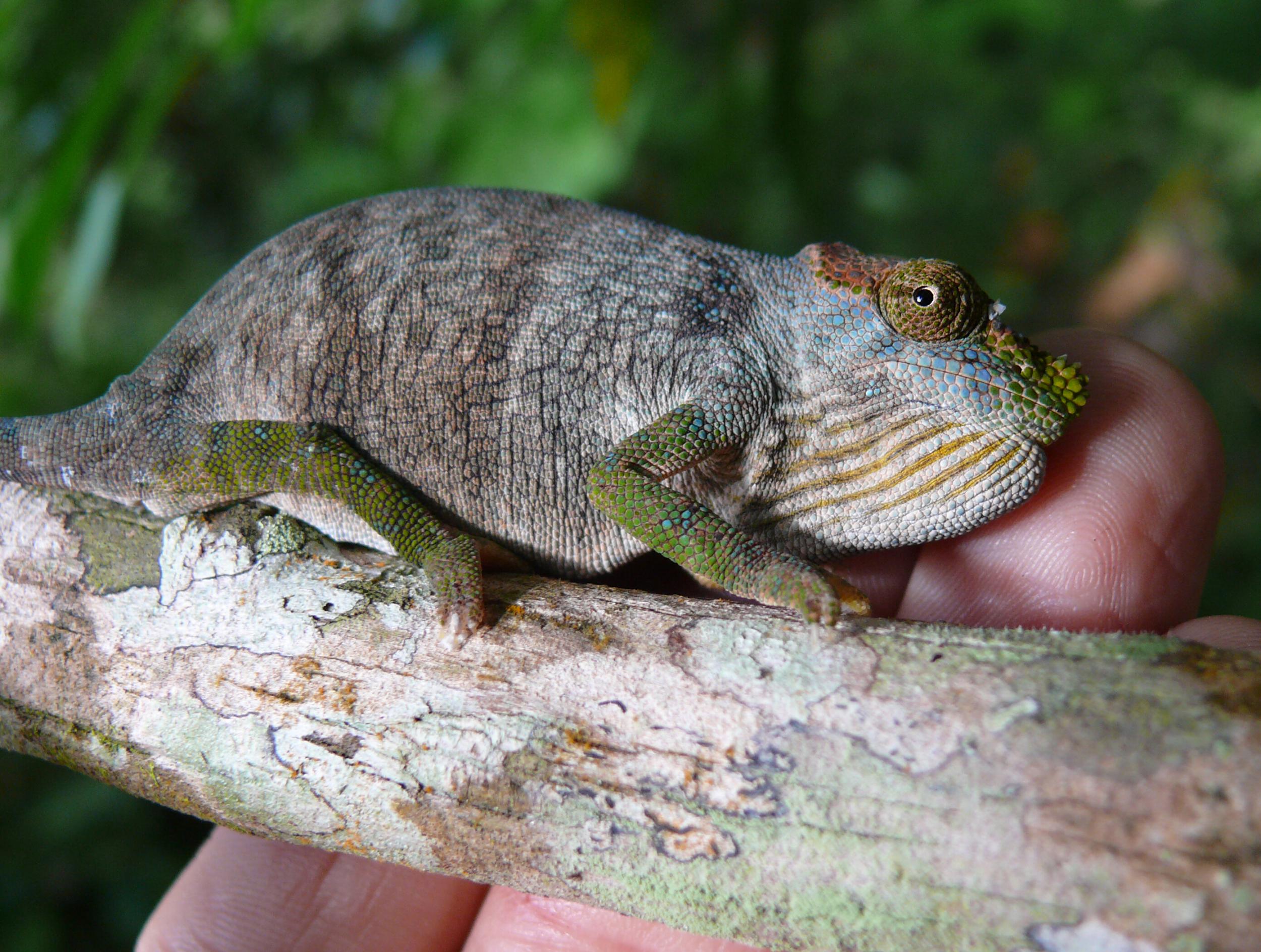
Magombera forest is home to a recently discovered species of chameleon and threatened animals including bush babies and elephants.
But illegal logging and poaching have pushed the valuable ecosystem to the brink of destruction, with some estimates predicting it was on the brink of total destruction.
Now, after decades of collaboration with scientists and local villages, a joint effort involving NGOs and Tanzanian authorities has reached the $1m (£0.78m) required to protect the land.
The value of the forest has been recognised for many years, but it has taken a concerted effort to ensure that both nature and local people benefit from the new scheme.
“When I first began work in the forest 15 years ago it was clearly a biologically important place, but it rang with the sound of axes and machetes,” said Dr Andy Marshall from the University of York, who led the project.
The team has worked with villagers to ensure they have access to alternative sources of wood, and in doing so helped reduce the frequency of wildfires.
Thousands of trees are already growing back in areas of forest that had been stripped bare.
The newly created 6,463 acre Magombera Nature Reserve houses an enormous number of species within a relatively small area, and is considered among the most biodiverse forests in Africa.
“As well as the Magombera chameleon and the red colobus monkey, the region is also home to numerous other internationally threatened species of plants and animals, including the Udzungwa dwarf galago, African elephants, and hippopotamus,” said Dr Paul Salaman from the Rainforest Trust.
“It is also an important place for local communities who depend on the adjacent land for rice and sugar farming.”
Additional funds provided by the Rainforest Trust will help fund a conservation programme that will open up the forest to tourism.
The plan is to develop a scheme that helps preserve the forest while also ensuring some of the tourist entrance fees are funnelled towards local communities.