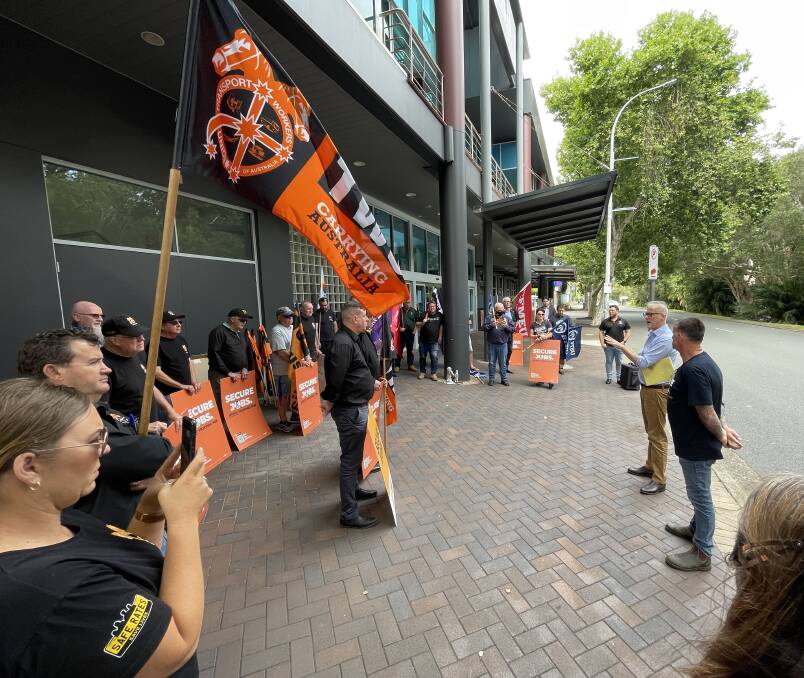
COAL company Glencore has acknowledged that its labour hire mine workers generally earn up to 30 per cent less than their directly employed counterparts but says labour hire "casuals" in its underground mines earn 10 per cent to 15 per cent more.
This assertion of casuals earning more than the permanent rate was one of the rare bits of evidence in support of the model at yesterday's opening day of evidence in Newcastle by a Senate Select Committee inquiring into "insecure or precarious employment" and its impact on the economy, wages, social cohesion and workplace rights and conditions.
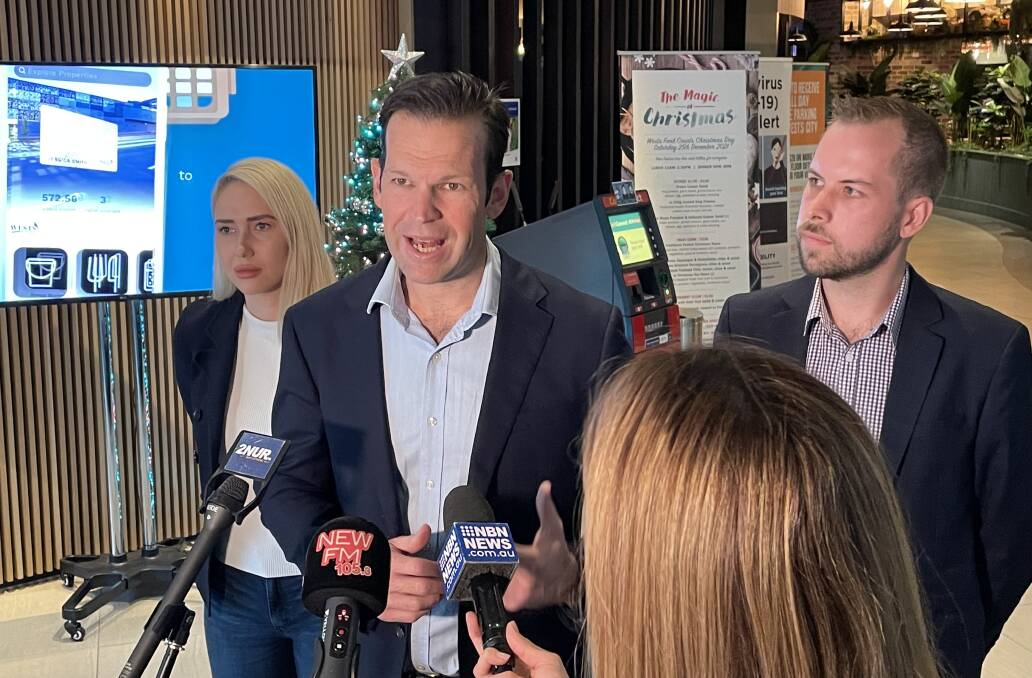
With its chair, Labor NSW Senator Tony Sheldon, and deputy chair Queensland Senator Matt Canavan (Nationals) at Wests City and senators Malcolm Roberts (Queensland, One Nation) and Karen Grogan (Labor, South Australia) asking questions by audio link, the committee heard first from CFMEU mining and energy union legal and industrial director Alex Bukarica, who said companies were "claiming absurdly low percentages to claim that casualisation is not a problem in mining.
Mr Bukaria, who has worked on the big CFMEU labour hire cases including the Skene and Rossato decisions, said data collected by the Coal Mining Industry (Long Service Leave Funding) Corporation, or Coal LSL, showed that almost half of the industry's production and maintenance workforce were "casuals" and that their hourly rate was about 40 per cent less than their permanently employed workmates.
But even labour hire casuals in the Hunter coal industry earn $90,000 or more on their long-term rosters.
By contrast, the committee heard Hunter Workers, the NSW Teachers Federation and the Health Services Union describe casualisation as a deliberate cost-cutting tool with extremely low rates of pay.
They said the federal government's March "casual conversion" laws - championed by Senator Canavan as the Coalition's solution to the problem - were having little effect.
Central Coast disability support worker Zoe Moxon told the committee remotely she received plenty of shifts with one employer by being available at all times but when she asked not to be rostered onto all-night shifts because she had a 10-month old child, she was given more nights instead.
Then her roster dropped right off from three to four shifts a week to five to seven a month.
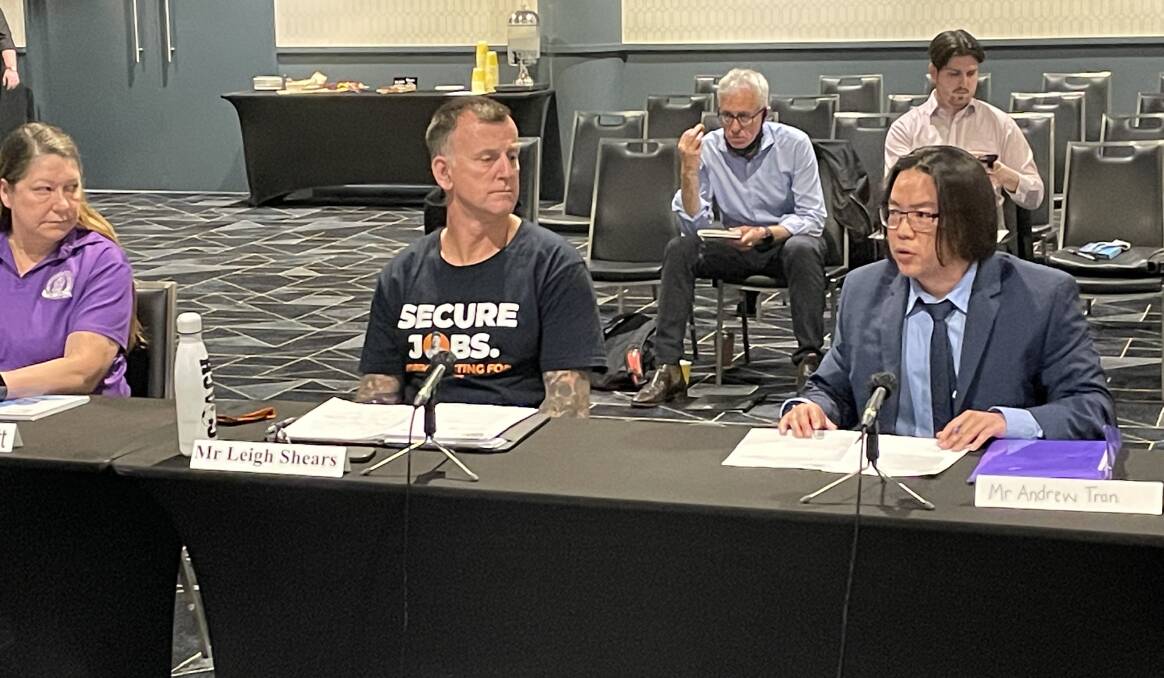
Health Services Union organiser Andrew Tran said the aged care sector was in "a race to the bottom" on wages and working conditions.
Mr Tran said 90 per cent of his union's aged-care sector workers were employed as casuals working full weeks on "minimum hours" contracts allowing as little as four or five hours a week, with pay rates approaching the minimum of $20.33 an hour.
Teachers Federation TAFE organiser Annette Bennett said enterprise agreement negotiations showed TAFE identified 7786 of its 10,800 employees as part-time casual teachers, a rate of 72 per cent.
She said TAFE had "found a loophole you could drive a truck through" in the federal "casual conversion" laws, saying none were made permanent because they hadn't been originally employed through a "merits process".
EARLIER HEARINGS:
- April: Uber cautiously open to minimum wage talks
- October: evidence of farm worker exploitation
- November: Uber drivers stood down without proof
- November: Amazon grilled over driver wages
- NRL great Darren Lockyer the 'face' (and part-owner) of One Key
She said TAFE also argued it would require a "significant adjustment" to working hours, which was another escape clause.
Hunter Workers secretary Leigh Shears said casual employment for many people involved working multiple jobs on low rates of pay with little hope of a home loan.
The hearing resumes in Newcastle at 10am today.
ment for many people involved working multiple jobs on low rates of pay with little hope of a home loan.