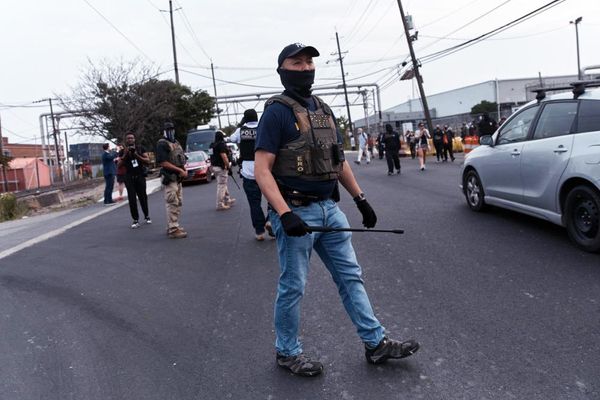
When pulled over by law enforcement officers, American drivers have constitutional rights that must be respected. A recent incident involving Miami Dolphins wide receiver Tyreek Hill has sparked a national conversation about the treatment of Black motorists during traffic stops.
Studies have shown that Black motorists are more likely to face the threat or use of force by police during traffic stops compared to their white counterparts. This has led to many Black families having discussions about how to interact with law enforcement officers to ensure their safety.
People of color are often disproportionately targeted for traffic stops in the U.S. Data reveals that Black and Latino individuals are searched more frequently during stops, even though the rate of finding evidence of wrongdoing is lower compared to white individuals.
During a traffic stop, drivers have rights against self-incrimination and vehicle searches. They have the right to remain silent, refuse searches of their vehicle, and ask questions to the officers. Passengers also have the right to ask if they can leave the scene of the traffic stop.
Law enforcement officers have the authority to ask drivers and passengers to step out of the vehicle and can use reasonable force to ensure compliance. Officers can conduct a pretextual stop if they have reasonable suspicion, even if no infraction has been committed.
It is advised for drivers to comply with officers' instructions during traffic stops and communicate respectfully. If a driver feels that the interaction is being unnecessarily escalated, they can record the conversation with the officer's consent and document relevant details for future reference.