Here's a story that happens all the time. You built a gorgeous deck last summer. Everything looked perfect. Then, twelve months later, you spot a few boards sagging in the corner. You call the builder. No response. You call again. Still nothing. Now you're staring at a problem and wondering if anyone's going to fix it without charging you another few thousand bucks.
Most people skip right past warranty paperwork when they're excited about picking deck colors and designs. Big mistake. Your warranty is basically the only thing standing between you and expensive repairs that shouldn't be your problem. There are two warranty types you need to understand: craftsmanship (from your contractor) and manufacturer's (from the material company).
Let's break down what actually gets covered and what doesn't.

The Two Types of Deck Warranties
Craftsmanship Warranty
This comes from your contractor. They promise that they built your deck the right way. Installation errors? Covered. Structural problems from bad construction? Covered. Building code violations? Should be covered.
Most contractors offer 1 to 10 years. The sweet spot is usually 2 to 5 years. Good contractors go longer because they trust their work. This covers stuff like loose boards that weren't fastened right, uneven surfaces from bad framing, or wobbly railings because someone didn't anchor the posts correctly.
Manufacturer's Warranty
This protects you from defects in the materials themselves. Nothing to do with installation. We're talking about premature fading, material breakdown, or boards that split when they shouldn't.
Length depends on your material choice. Composite decking gets 25 to 50 years typically. Vinyl runs around 15 years. Pressure-treated wood is kind of a wild card with shorter coverage.
Trex offers 25 years on most residential lines. TimberTech and Azek both hit 50 years on premium products. Sounds great until you realize "limited lifetime" warranties usually have more holes than Swiss cheese. A clear 25-year warranty often beats a vague lifetime promise.
What's Covered and What Isn't
Let's cut through the marketing speak. Warranties cover less than you think.
What Usually Gets Covered
Defective materials from the factory. Installation failures that cause structural damage. Boards that warp or crack way too early. Fading beyond what the manufacturer promised. Hardware defects if they came with the system.
What Doesn't Get Covered (This List Is Long)
Normal aging and wear. Nobody covers that. Poor maintenance voids everything fast. Let your deck sit dirty for years, and good luck getting help. Damage from your furniture, grill, or planters. Storm damage and flooding. Changes made by other contractors later. Using the wrong cleaning products. Pretty much anything they can call "user error."
Installation Mistakes That Kill Your Warranty
Here's the trap most homeowners don't see coming. Your material warranty only works if the installation follows the manufacturer's exact rules. Wrong fasteners? Warranty gone. Improper spacing? Warranty gone. Bad ventilation? You guessed it.
This is why going DIY or hiring the cheapest guy off Craigslist backfires. You might save $3,000 upfront. But when materials fail, and the manufacturer inspects your deck, they'll find installation problems and deny your claim. Then you're paying for everything yourself.
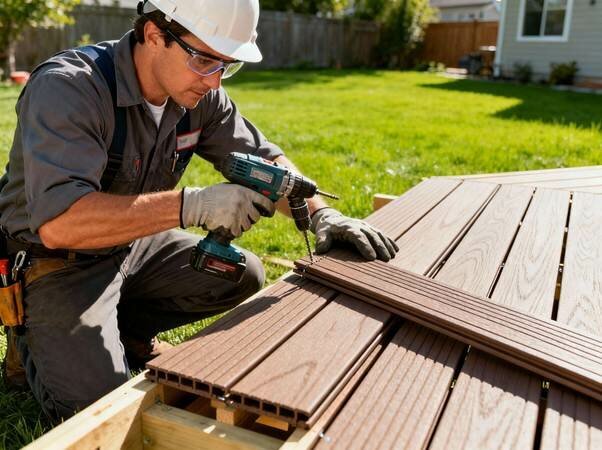
Certified installers (like TrexPro or TimberTech Certified) matter because they know the manufacturer's specific requirements. The company trusts them, which means your claims actually get approved.
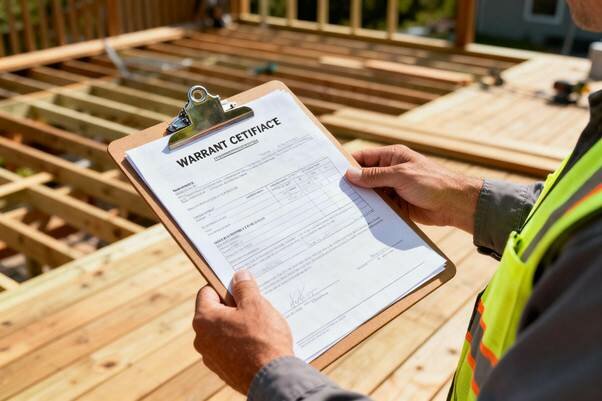
Keep all your paperwork. Take photos during construction. Make sure someone registers your warranty within 30 to 90 days. Miss that deadline and you might lose everything.
Red Flags That Should Scare You
Some warranties look solid but turn into nightmares when problems hit. Watch out for these warning signs.
Verbal promises without anything in writing. Worthless. If they won't document it, they won't honor it. Vague terms like "reasonable wear" or "normal conditions." Who decides what's reasonable? Always them, never you.
Workmanship warranties under 1 year mean the contractor doesn't trust their own work. No clear claims process means you'll be fighting them every step of the way. If a contractor refuses to show you warranty details before you sign the contract, walk away immediately. Missing contact information for claims is another huge problem.
Filing a Warranty Claim
Take photos of the problem from every angle. Find your receipts and installation paperwork. Most warranties require notification within 30 days of discovering issues.
Contact your contractor first for installation problems. Go straight to the manufacturer for material defects. Someone will come inspect your deck. They'll ask about maintenance and usage.
If approved, you'll get repair, replacement, or rarely a refund. The whole process takes anywhere from a few weeks to several months, depending on the company.
Questions You Need to Ask
When meeting potential deck contractors near me or in your area, get answers to these questions:
● What's the length of your workmanship warranty?
● What specific problems does it cover?
● Do you register manufacturer warranties for customers?
● Can the warranty transfer if I sell my house?
● What maintenance keeps the warranty valid?
● How do I file claims, and how fast do you respond?
● Can I see your actual warranty documentation now?
How they answer tells you everything. Defensive or vague responses are red flags. Detailed, confident answers mean they stand behind their work.
Conclusion
Your warranty protects a massive investment. Don't treat it like boring legal stuff you can ignore.
Get everything in writing. Read what you're signing. Ask questions until you completely understand what's covered and what isn't. Don't pick deck contractors based only on the lowest bid. A slightly higher price with solid 5-year workmanship coverage beats a cheap quote from someone who vanishes after getting paid.
Request written warranty details before signing anything. Compare coverage between different contractors. Make it part of your decision. A strong warranty from a reputable builder saves you thousands when problems eventually show up. Do this homework now instead of dealing with expensive surprises in two years.