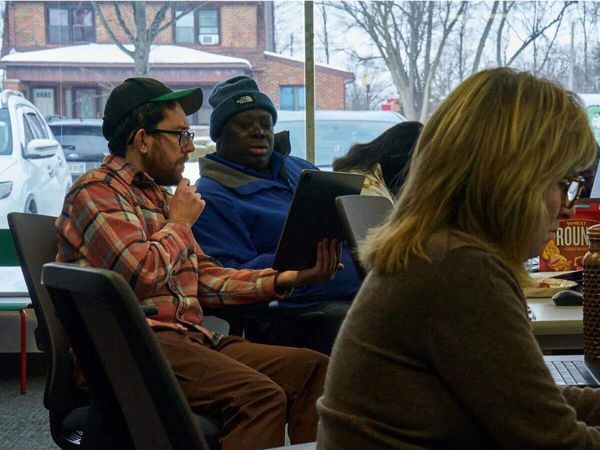
The structure of the modern workday has shifted in ways that are not always visible, yet widely felt. What was once defined by a standardized nine-to-five schedule now sits in contrast with how people actually work. According to a report, nearly 60% of the U.S. workforce, representing more than 80 million people, are paid hourly, operating in roles that extend far beyond traditional office hours. At the same time, 69% of American workers are required to keep their schedules open at their employer's discretion, reflecting a level of unpredictability that reshapes how time is experienced.
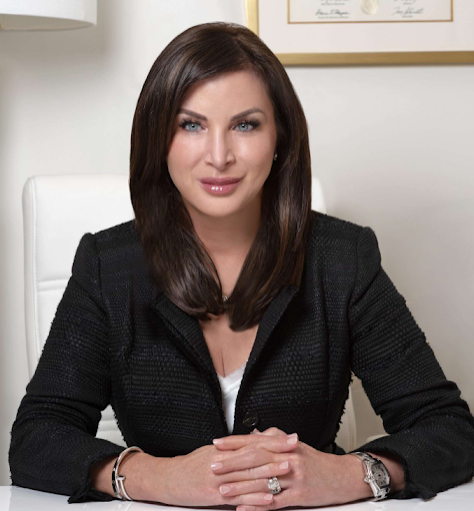
Lauren C. Williams, LMHC, founder of Park Avenue Mental Health Counseling P.C., highlights that for many professionals, the gap between outdated structures and modern demands often results in long workdays that extend into the evening. "This situation creates a persistent level of cognitive and emotional strain that becomes increasingly difficult to separate from everyday life," she says.
Recent data reflects the scale of this shift. According to a report, 77% of adults report experiencing stress that affects their physical health, while 73% say stress impacts their mental health, underscoring how closely work-related pressures are tied to overall well-being. These patterns are especially pronounced in high-performance environments where expectations continue to rise alongside constant connectivity.
Williams views this trend through both clinical and professional lenses. Drawing from her experience working with executives, entrepreneurs, and high-achieving professionals, she explains that the challenge is rarely limited to workload alone. "What I see consistently is that people are not just managing responsibilities, they are carrying unresolved experiences that shape how they respond to pressure, deadlines, and expectations," she says. "When those layers are not addressed, stress becomes something much deeper than a temporary condition."
Park Avenue Mental Health Counseling is a psychotherapy practice focused on helping individuals and couples navigate anxiety, trauma, and relationship dynamics through evidence-based approaches. From Williams's perspective, the needs of today's professionals require a more nuanced understanding of how performance and mental health intersect. Rather than viewing stress as an isolated issue, she approaches it as part of a broader pattern that often includes past experiences, behavioral conditioning, trauma, and cognitive responses that develop over time.
This perspective aligns with broader research in mental health. According to the National Institute of Mental Health, more than one in five U.S. adults lives with a mental illness each year, a statistic that continues to highlight the importance of accessible and consistent support systems. While these figures span a wide range of conditions, they also reflect how common it has become for individuals to navigate psychological strain alongside professional responsibilities.
Williams emphasizes that high-functioning individuals are often the least likely to recognize when support is needed. In her experience, many professionals continue to meet external expectations while internally managing increasing levels of pressure. "There is a misconception that if someone is performing well, they must be doing well," she explains. "In reality, many people are operating at a very high level while simultaneously feeling overwhelmed, disconnected, or exhausted."
One of the defining aspects of her practice is its fully virtual model, which has become an important consideration for clients balancing demanding schedules. According to Williams, accessibility is about removing barriers that might otherwise delay care. "People are more likely to follow through when the process fits into their lives," she says. "If someone can transition from work to a session without commuting, it creates a level of consistency that is difficult to achieve otherwise."
This approach reflects a broader shift in how mental health services are delivered. Virtual care has expanded significantly in recent years, offering individuals the ability to engage in therapy within familiar environments. For professionals navigating long work hours, this flexibility can play a meaningful role in maintaining continuity and engagement.
Williams also points to the importance of identifying underlying patterns that contribute to stress responses. As a certified clinical trauma therapist, she works with clients to uncover trauma triggers that may not be immediately visible but continue to influence behavior and emotional regulation. From her perspective, addressing these elements can lead to a more sustainable approach to both work and personal life.
"Many people are surprised by how much clarity they gain once they understand what is driving their reactions," she notes. "It allows them to make decisions with more awareness, rather than simply reacting to circumstances as they arise."
As Mental Health Awareness Month approaches, the conversation around stress and well-being continues to gain momentum. Williams sees this period as an opportunity to reframe how individuals think about mental health, particularly within professional environments. She says, "Taking care of your mental health is what allows everything else to function in a way that is sustainable, meaningful, and aligned with who you are."