Thousands of university students have tested positive for liver fluke infection in Maha Sarakham, prompting inspections targeting the use of undercooked fermented fish at somtam shops in the northeastern province.
The liver fluke is a parasitic worm commonly found in Thailand, particularly in the Northeast and Northern regions, and in neighbouring countries such as Laos and Cambodia.
At Mahasarakham University, 4,233 of the 12,733 first-year students tested positive, about 33%. At Rajabhat Maha Sarakham University, 380 of 1,922 students tested positive, about 19%.
The initial results were obtained using urine tests. Stool examinations were still required to confirm the presence of the infection.
Local healh officials described the test results as "alarming". The average infection rate among the general population in the province was about 11%.
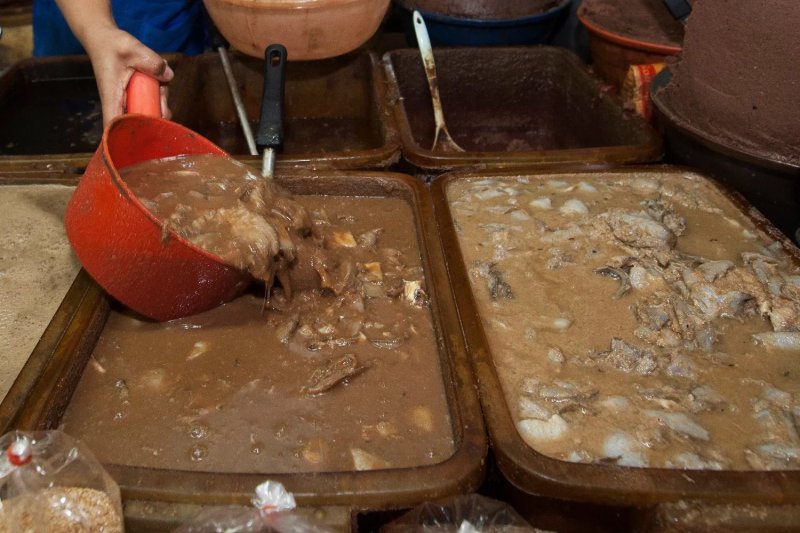
Health inspections have been ordered for all somtam shops near the two universities, and also restaurants that use pla ra, or Isan fermented fish, in their dishes, the local governor said.
Restaurants that meet safety standards will receive a sign they can display for customers, which says “This restaurant serves cooked and safe pla ra.”
The deputy director of Maharat Nakhon Ratchasima Hospital warned of the likely long-term consequences if people's eating habits do change. It may not become apparent immediately but could emerge in 15 or 20 years time in the form of bile duct cancer.
The scientifically confirmed source of infection was raw or undercooked freshwater fish. While these fish were used to make pla ra, he said, that did not mean pla ra was solely to blame for the high infection rate.
“If pla ra is produced to proper hygienic standards, fermented correctly and boiled before consumption, the risk is very low,” the doctor said.