A recent back-and-forth regarding President Donald Trump's freeze on federal grants and loans has left various stakeholders in limbo, unsure of whether they will receive crucial funding. This funding plays a vital role in addressing environmental issues and combating climate change.
The White House initially ordered a freeze on approximately 2,600 programs, causing disruptions as administrators grappled with the situation. However, a federal judge temporarily blocked the freeze, only for the Trump administration to rescind the memo shortly after. Despite this, the specter of significant cuts in federal spending still looms.
Impacts on Communities and Programs
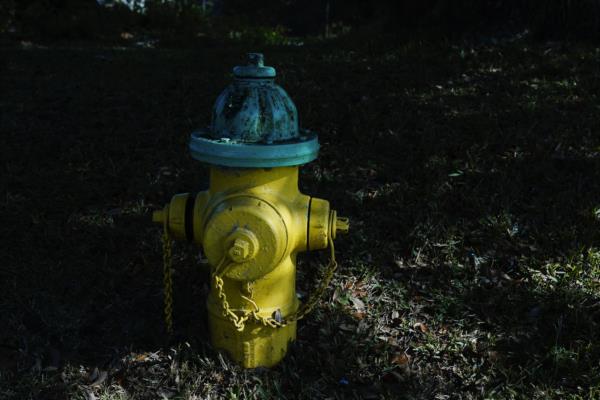
One such community affected is Prichard, Alabama, where federal grants are essential for fixing a deteriorating water system. With over 30% of residents living in poverty, the town relies on these grants, including those from the Biden-era infrastructure program, to address water system issues.
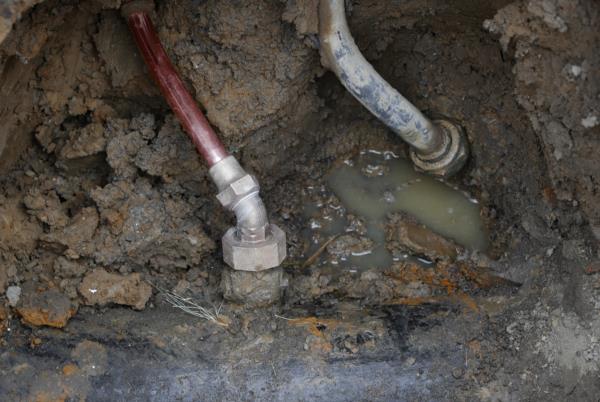
Furthermore, federal funding supports state programs aimed at improving drinking water and sewage infrastructure, such as the Bipartisan Infrastructure Law's allocation of $15 billion for lead pipe removal over five years.
Another area at risk is clean energy initiatives, with federal funding crucial for enhancing the electric grid, promoting renewable energy, and reducing emissions. In Puerto Rico, the U.S. Energy Department's support for solar and battery projects faces uncertainty, impacting the island's power grid stability.
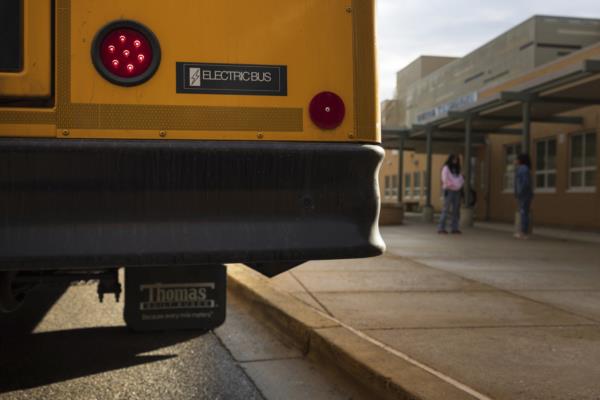
Additionally, programs like the Clean School Bus Program, designed to transition school districts to cleaner buses, are under threat. The pause in funding jeopardizes efforts to reduce diesel pollution, particularly affecting lower-income districts and communities of color.
Moreover, agricultural programs supporting Black farmers in combating discrimination and improving their businesses are at risk. These programs provide essential aid, education, and training to address historical inequities faced by Black farmers.
Concerns and Consequences
Stakeholders express concerns over the potential defunding of critical programs that benefit communities and individuals nationwide. The uncertainty surrounding federal grants and loans poses challenges for various sectors, from infrastructure to clean energy and agriculture.
As the situation unfolds, stakeholders await clarity on the future of these programs and the impact on their respective initiatives and communities.