Direct US-Iran talks remained uncertain as Iran’s top diplomat arrived in Pakistan ahead of a planned visit by Donald Trump’s envoys, while the eight-week war kept rattling global markets and energy supplies.
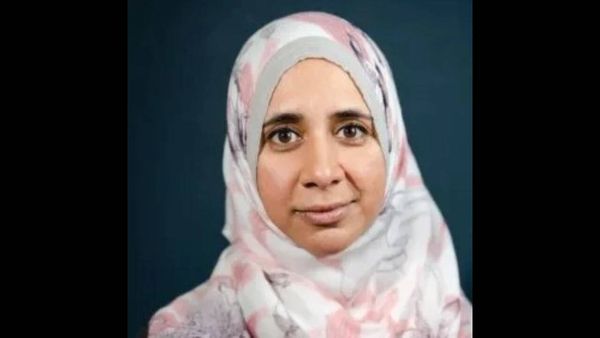
Iran’s foreign minister Abbas Araghchi arrived in Islamabad on Friday, convening a meeting with Pakistani army chief Asim Munir and interior minister Mohsin Naqvi as part of a diplomatic tour to discuss the ongoing hostilities.
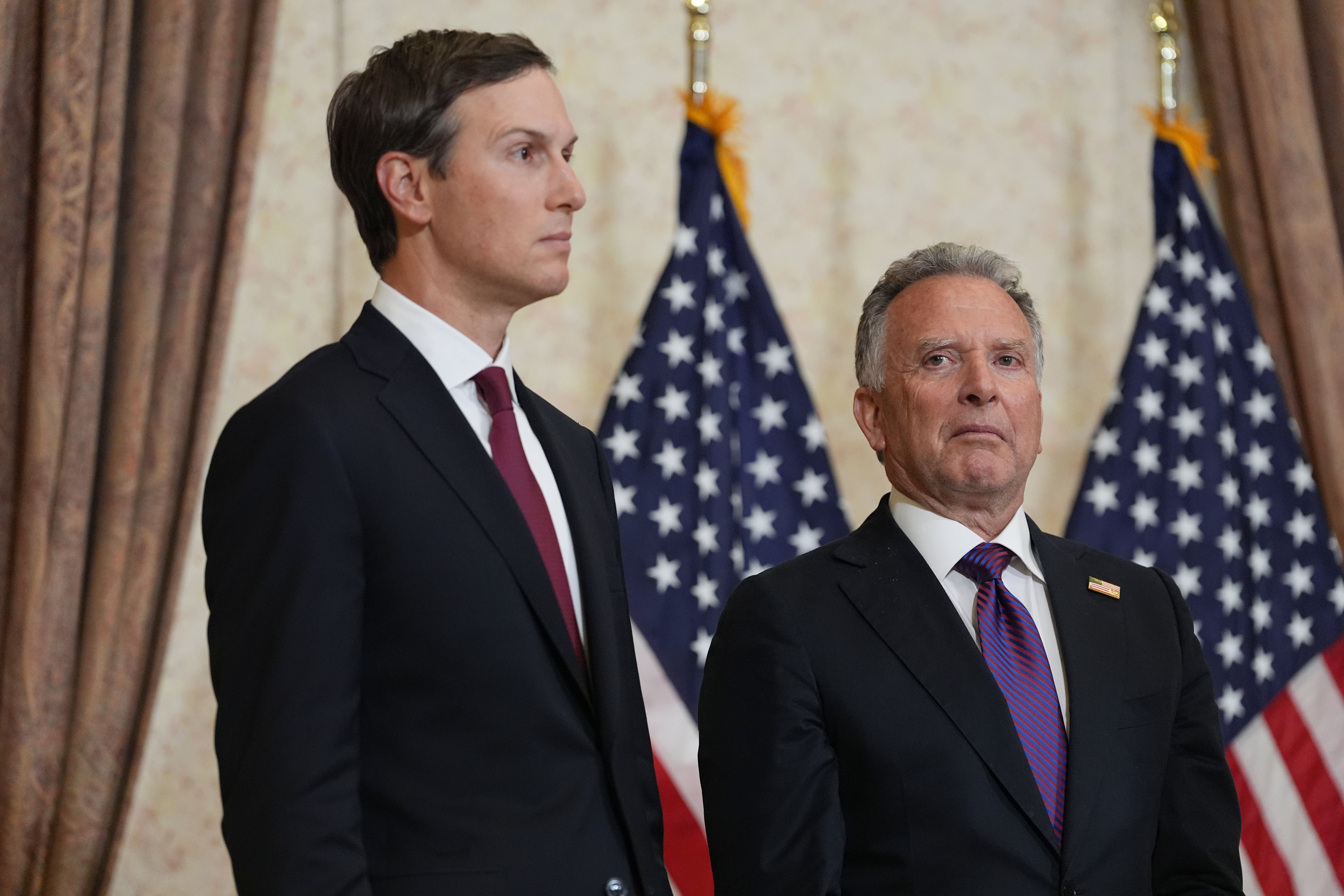
But he is not there for direct talks with the US as the White House confirmed that son-in-law Jared Kushner and special envoy Steve Witkoff would be leaving for Islamabad because the Iranians wanted to talk "in person".
Mr Araghchi will meet only with Pakistan’s officials to convey Iran’s “observations” as part of a wider regional trip, foreign ministry spokesman Esmail Baqaei said.
“No meeting is planned to take place between Iran and the US,” he said.
Still, White House spokesperson Karoline Leavitt said the US is “hopeful that it will be a productive conversation”, which will move the ball forward to a deal.
She later told reporters that the US had “certainly seen some progress from the Iranian side in the past couple of days,” though she declined to provide further details.
Vice president JD Vance, who was the lead US negotiator in the first round of talks, would not be travelling to Pakistan for the time being but will remain on “standby” in case of a breakthrough.
“The president, the vice-president, the secretary of state, will be waiting here in the United States for updates,” said Ms Leavitt, adding that Mr Vance would “be willing to dispatch to Pakistan if we feel it’s a necessary use of his time”.
Defence secretary Pete Hegseth told reporters that Iran had a chance to make a "good deal" with the United States.
"Iran knows that they still have an open window to choose wisely," he said. "All they have to do is abandon a nuclear weapon in meaningful and verifiable ways."
After the first round of marathon talks on 12 April failed, the second round of negotiations was highly anticipated on Tuesday, but never happened with Tehran refusing to confirm travel to Islamabad till the last minute, saying it was not yet ready to commit to attending and a US delegation led by Mr Vance, which was expected to leave, never left Washington.
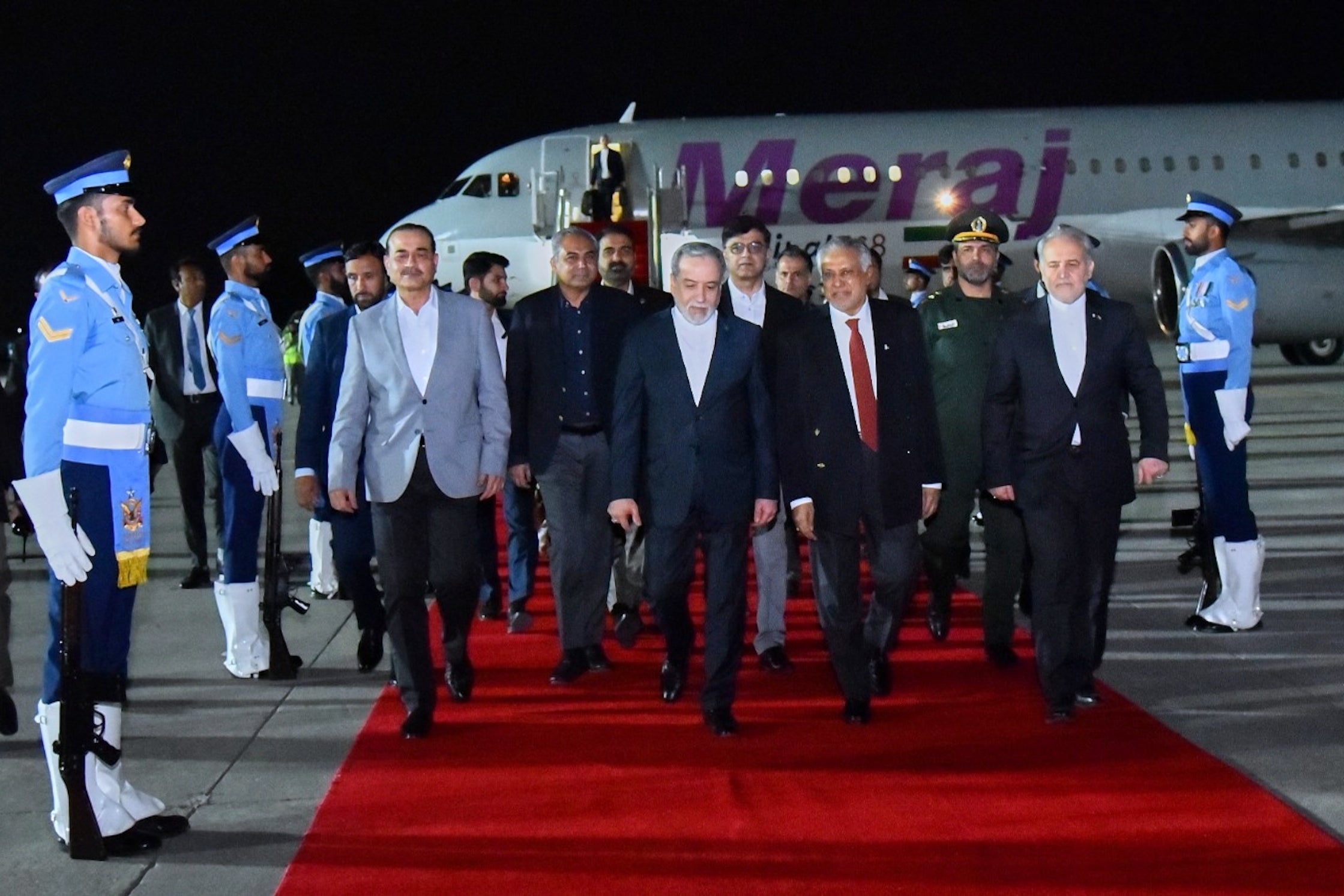
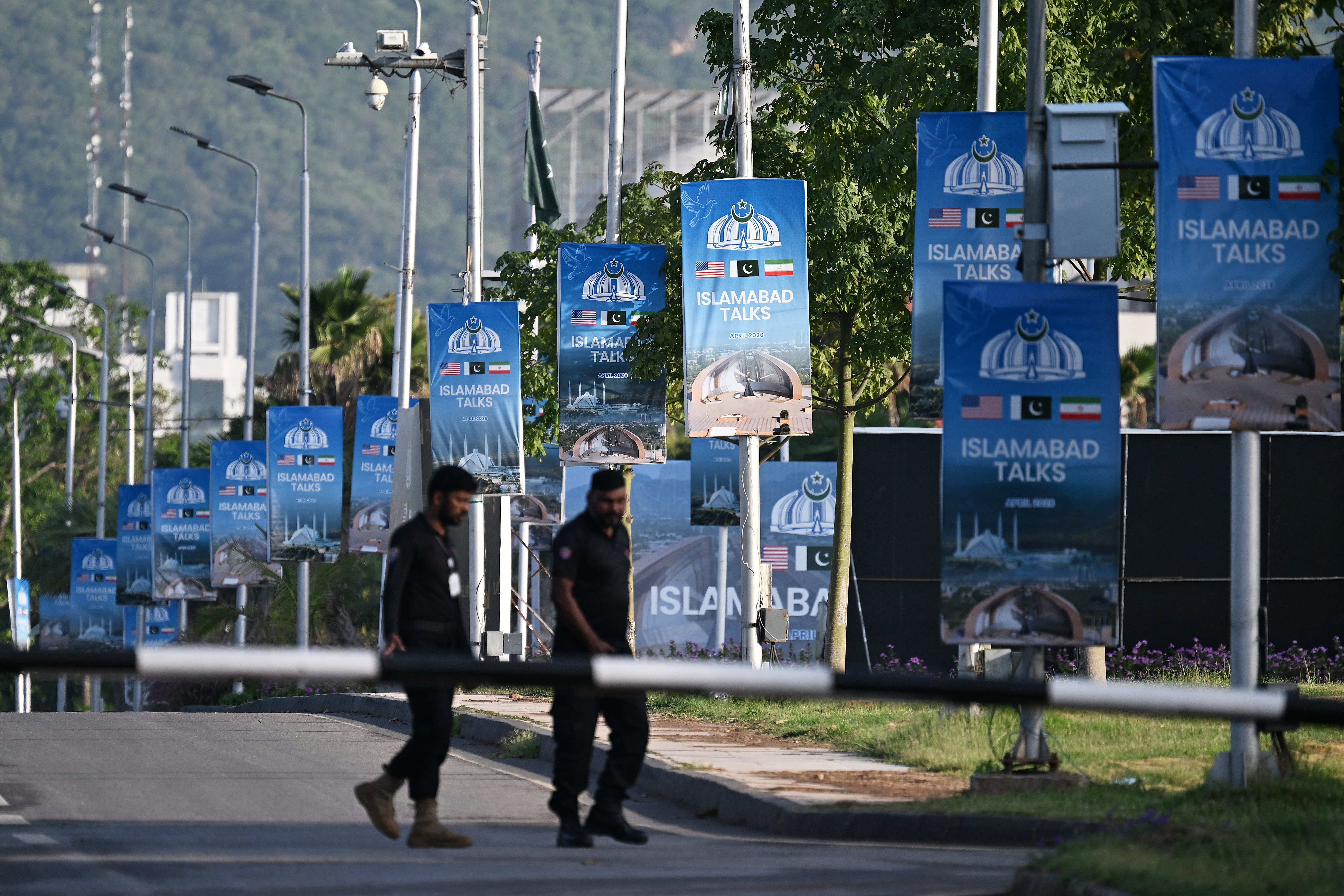
The uncertainty surrounding the talks has effectively kept Pakistan’s capital, Islamabad, under lockdown as authorities prepared for high-profile arrivals, guarding roads and sensitive points amid security concerns.
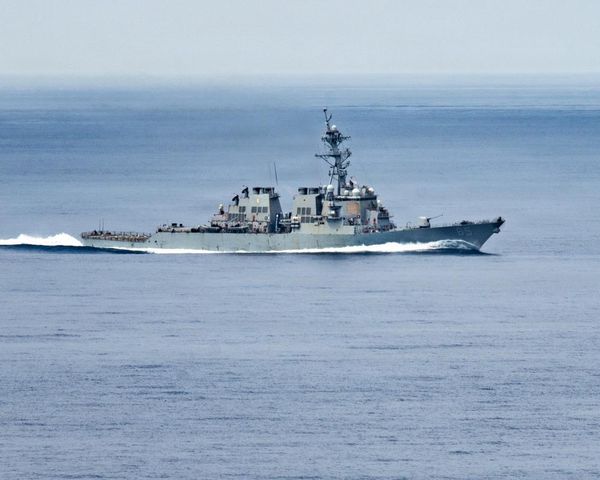
The Islamabad meetings come amid a sharp escalation in US pressure on Iran, with a sustained naval blockade aimed at forcing Tehran back to the negotiating table and bringing an end to a war that has already killed more than 5,000 people, most of them in Iran.
Tehran has said it will not resume talks unless Washington lifts its blockade of Iranian ports, while the US is demanding verifiable guarantees that Iran will abandon its nuclear programme and ease its own blockade of the strait.
The conflict, which entered its ninth week, has roiled the energy market with prices pushed to multi-year highs, stoking inflation and darkening global growth prospects.
Mr Trump told Reuters on Friday that Iran planned to make an offer aimed at satisfying US demands but that he did not know what the offer entailed.
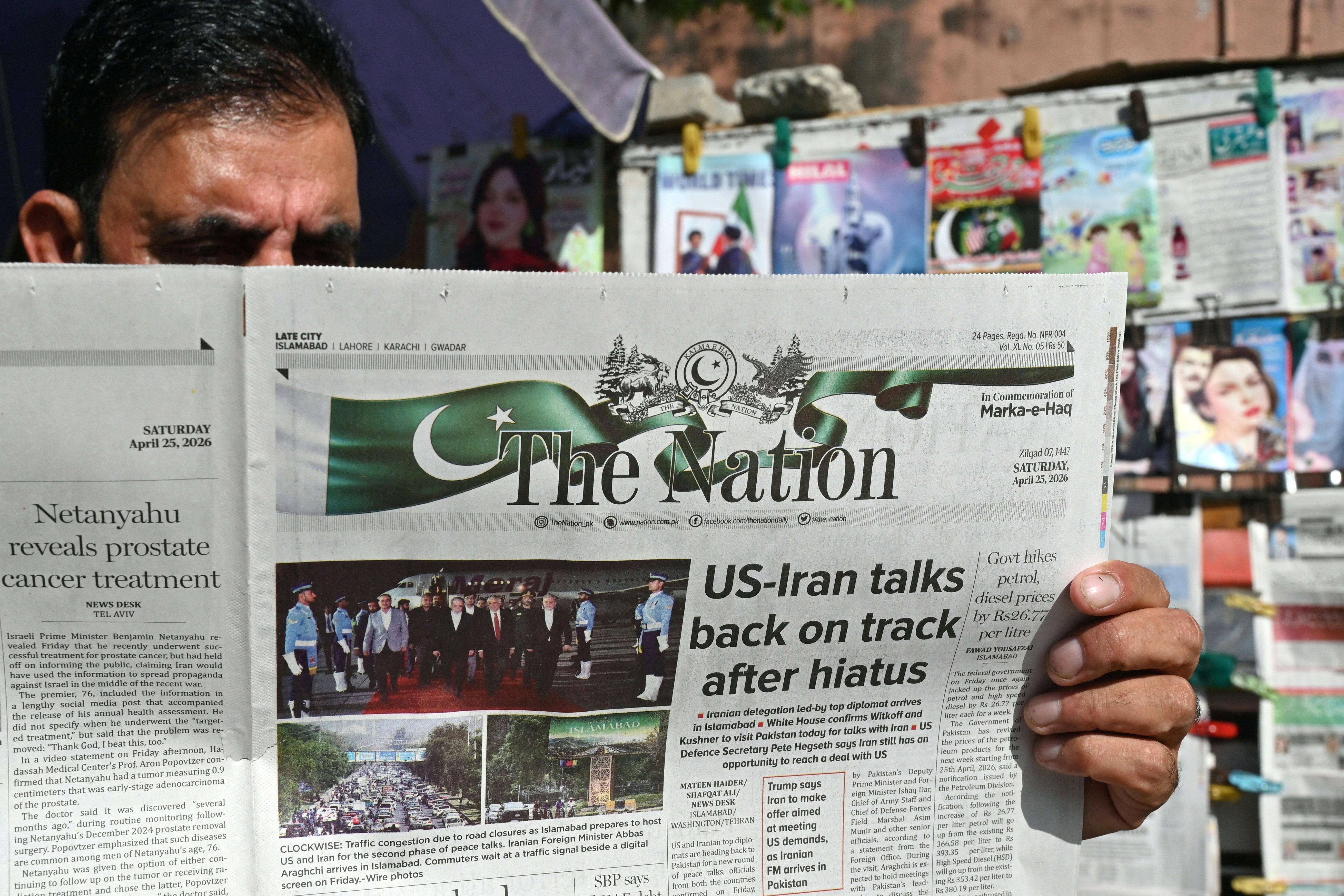
He declined to say who Washington was negotiating with, "but we're dealing with the people that are in charge now".
Mr Trump unilaterally extended a two-week ceasefire on Tuesday to allow more time to reconvene the negotiators.
The Iranian foreign ministry spokesperson, Mr Baghaei, speaking on Iranian TV, has stressed that the main subject in the negotiations is no longer the nuclear issue. Instead, it is “ending the war in a way that secures the country’s interests”.
“We accept the ceasefire only if it is the first step to bringing the war to an end on all fronts. With respect to the country’s demands, issues such as compensation, the strait of Hormuz, lifting sanctions – all these issues are critical to the country’s future.”
He said guarantees of non-aggression were needed not only from the US but also from Israel, which has not been part of the talks.
Mr Baghaei said Tehran believed the lifting of the US blockade had been part of the original ceasefire agreement. “If you fail to meet even your basic commitments under the ceasefire, how can you be trusted to implement a comprehensive settlement?” he asked.
The Iranian foreign minister is also set to visit Oman and Russia during the tour.
Frustration grows as Islamabad under indefinite lockdown for stalled US-Iran talks
Trump faces diplomatic backlash after sharing ‘hellhole’ remark about India and China
Pakistan does not give clearance to women’s football team to play tournament in India
World’s biggest condom maker hikes prices as some consider stockpiling
At least 194 children dead in just over a month in Bangladesh measles outbreak
Everest climbing season under threat as huge glacier blocks main route