Get all your news in one place.
100's of premium titles.
One app.
Start reading
Reuters
Reuters
Politics
Felix Hoske and Sergiy Karazy

Unborn child of Kurdish migrant buried in Polish Tatar cemetery

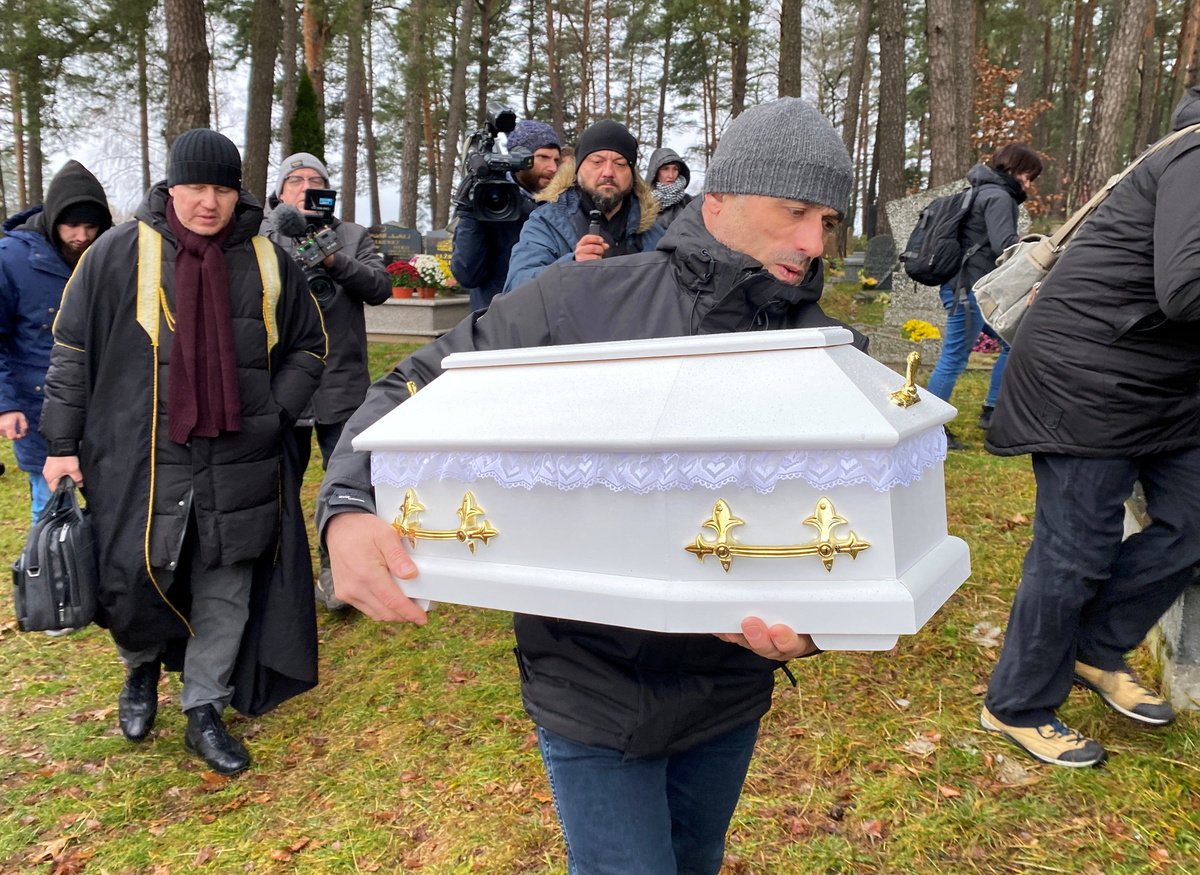
A member of the Polish Muslim community carries a coffin during a funeral of an unborn child Halikari Dhaker, who died in the womb of his mother during the migrant crisis at the Belarusian-Polish border, at a cemetery in the village of Bohoniki near Sokolka, Poland November 23, 2021. REUTERS/Sergiy Karazy

In a tiny white coffin, the body of an unborn child that died in the womb of its mother as she tried to cross from Belarus into the European Union was buried in a Muslim cemetery in north-east Poland on Tuesday.

In Islam, unborn children are also given funeral rites. Halikari Dhaker's mother miscarried him while she, her husband and their five children crossed the Belarusian-Polish border through dense forests and wetlands.
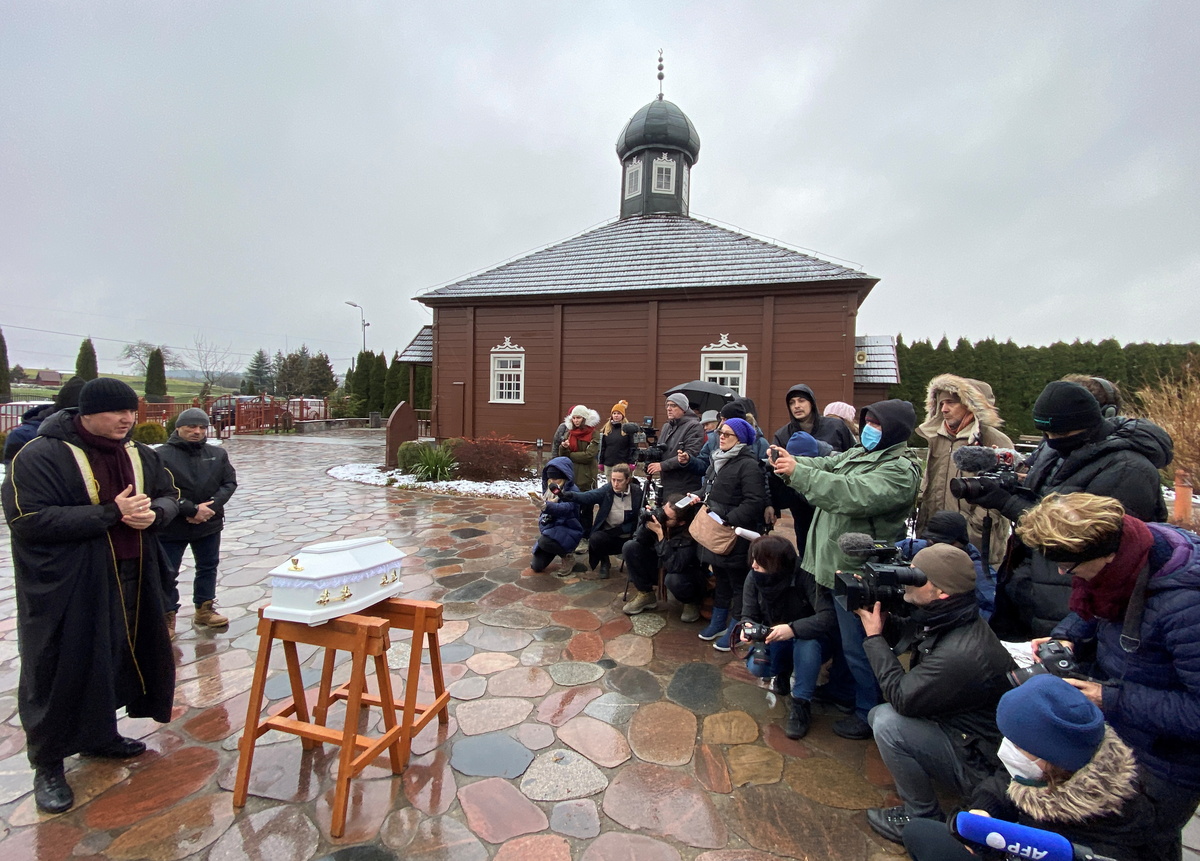
Journalists film as Imam of the village of Bohoniki Aleksander Bazarewicz and members of the Polish Muslim community attend a funeral of an unborn child Halikari Dhaker, who died in the womb of his mother during the migrant crisis at the Belarusian-Polish border, at a cemetery in the village of Bohoniki near Sokolka, Poland November 23, 2021. REUTERS/Sergiy Karazy

Hailing from Iraqi Kurdistan, Dhaker's family were among thousands of migrants who travelled to Belarus in the hope of finding a better life in the EU.

The bloc says Minsk has engineered the migrant crisis on its eastern border to hit back against sanctions imposed by Brussels. Belarus has repeatedly denied this.

"The family of the dead child Halikari Dhaker are not here with us ... As far as I know, the wife, the mother, is in a very serious medical state in a hospital," said Aleksander Bazarewicz, Imam of the village of Bohoniki, home to a Tatar Muslim community.
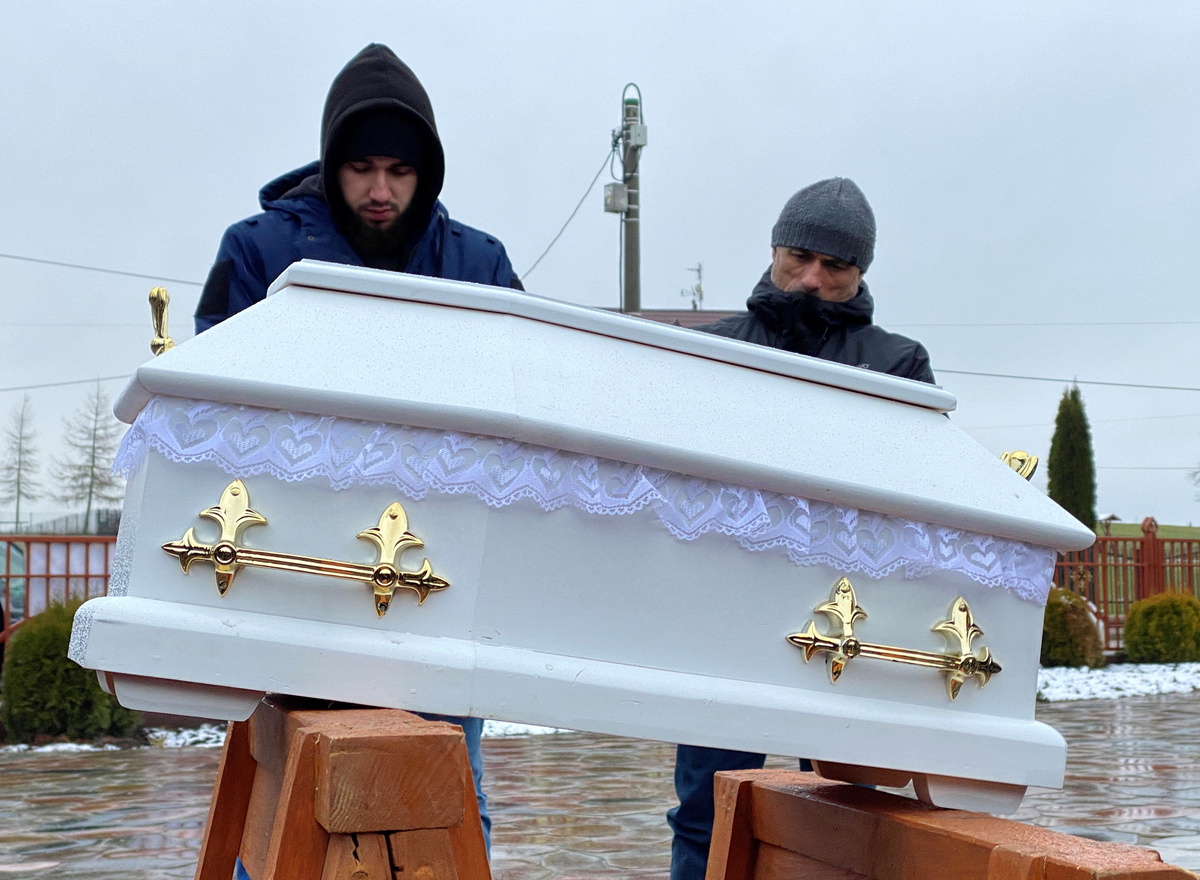
Members of the Polish Muslim community attend a funeral of an unborn child Halikari Dhaker, who died in the womb of his mother during the migrant crisis at the Belarusian-Polish border, at a cemetery in the village of Bohoniki near Sokolka, Poland November 23, 2021. REUTERS/Sergiy Karazy

As the first snow of winter lay on fields around the cemetery, the coffin was lowered into the ground by Bazarewicz and a Chechen Muslim man who took part in the funeral.

Humanitarian agencies say up to 13 migrants have died at the border, where many have suffered in a cold, damp forest with little food or water as a frigid winter sets in.

A small ethnic and religious minority in overwhelmingly Catholic modern Poland, the Tatars descend from warriors who were rewarded with land by Polish kings for protecting the country's eastern border centuries ago.
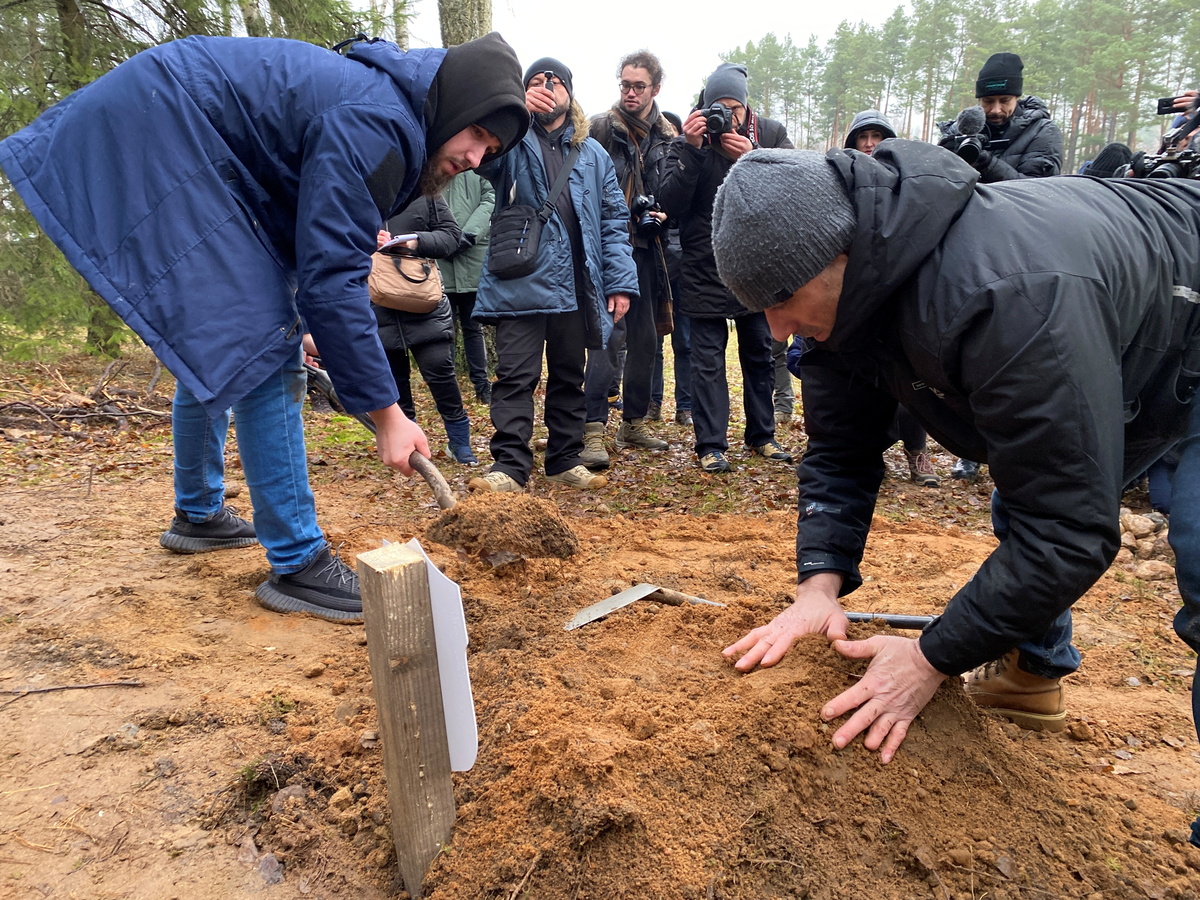
Members of the Polish Muslim community bury the coffin during a funeral of an unborn child Halikari Dhaker, who died in the womb of his mother during the migrant crisis at the Belarusian-Polish border, at a cemetery in the village of Bohoniki near Sokolka, Poland November 23, 2021. REUTERS/Sergiy Karazy

The community has been delivering clothes and food to both migrants and Polish troops on the border.

(Reporting by Felix Hoske and Sergiy Karazy, writing by Alan Charlish and Felix Hoske; Editing by Mike Collett-White)
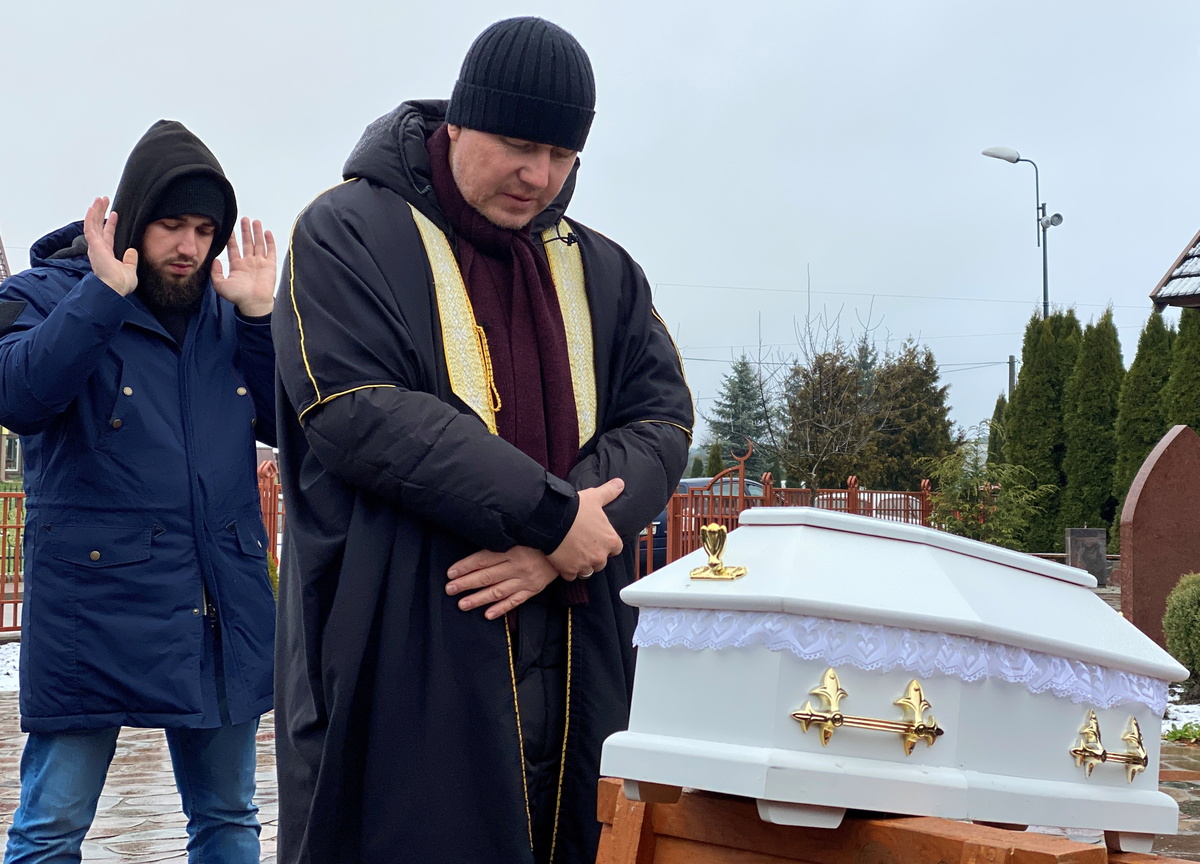
Imam of the village of Bohoniki Aleksander Bazarewicz and a member of the Polish Muslim community attend a funeral of an unborn child Halikari Dhaker, who died in the womb of his mother during the migrant crisis at the Belarusian-Polish border, at a cemetery in the village of Bohoniki near Sokolka, Poland November 23, 2021. REUTERS/Sergiy Karazy
Sign up to read this article
Read news from 100's of titles, curated specifically for you.
Already a member? Sign in here
Related Stories
Top stories on inkl right now
One subscription that gives you access to news from hundreds of sites
Already a member? Sign in here
Our Picks
Fourteen days free
Download the app
One app. One membership.
100+ trusted global sources.