Global water resource management is "fragmented and inadequate" and countries should urgently adopt reforms to ramp up financing and boost cooperation on emergency warning systems ahead of a looming crisis, the UN weather agency said on Tuesday.
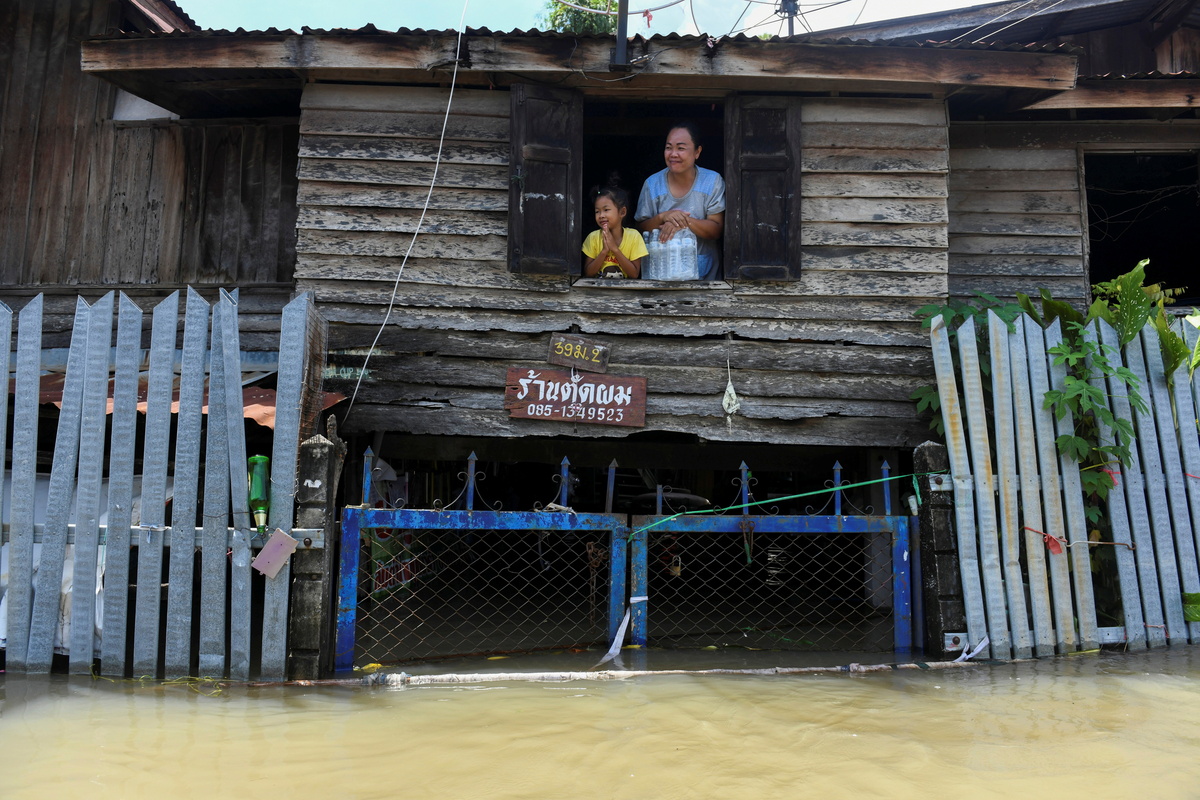
Climate change is expected to increase water-related hazards such as droughts and floods while the number of people living with water stress is expected to soar due to growing scarcity and population growth, the report warned.
"We need to wake up to the looming water crisis," said Petteri Taalas, secretary-general of the United Nations' World Meteorological Organization.
'The State of Climate Services 2021: Water', a collaboration between the WMO, international organisations, development agencies and scientific institutions, estimates that the number of people with inadequate access to water will top 5 billion by 2050 versus 3.6 billion in 2018.
It calls for more financing and urgent action to improve cooperative water management, naming the need for better flood warning systems in Asia and drought warning systems in Africa.
Despite some recent advances, it found that 107 countries remain off track for a target to sustainably manage their water resources by 2030.
"Some 60% of national meteorological and hydrological services – the national public agencies mandated to provide basic hydrological information and warning services to the government, the public, and the private sector – lack the full capacities needed to provide climate services for water," the report said.
Taalas said at a press briefing that these "major gaps" in data were worst in Central Asia, Africa and among island states.
In some cases, he said information gaps can prove deadly, such as when Zimbabwe opened its dams during Cyclone Idai in 2019, which exacerbated flooding in downstream Mozambique.
"This was one example where better coordination between Zimbabwe and Mozambique would have avoided casualties," he said.
Overall, more than 300,000 people have been killed by floods and more than 700,000 by droughts and their impact on food production, the WMO said.
(Reporting by Emma Farge; Editing by Jason Neely and Jan Harvey)