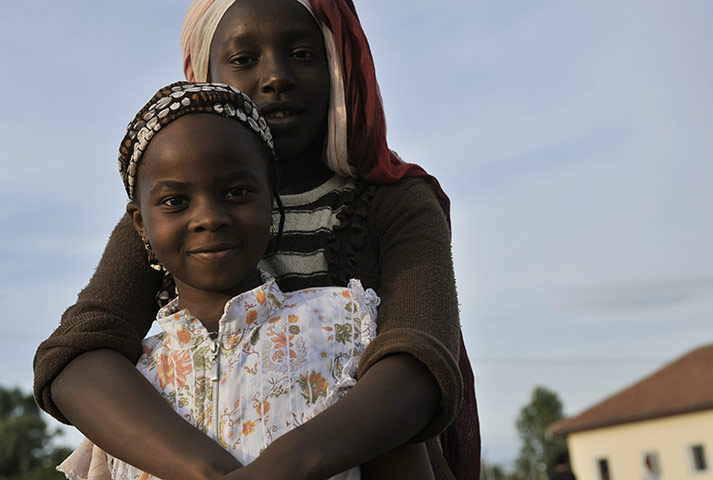
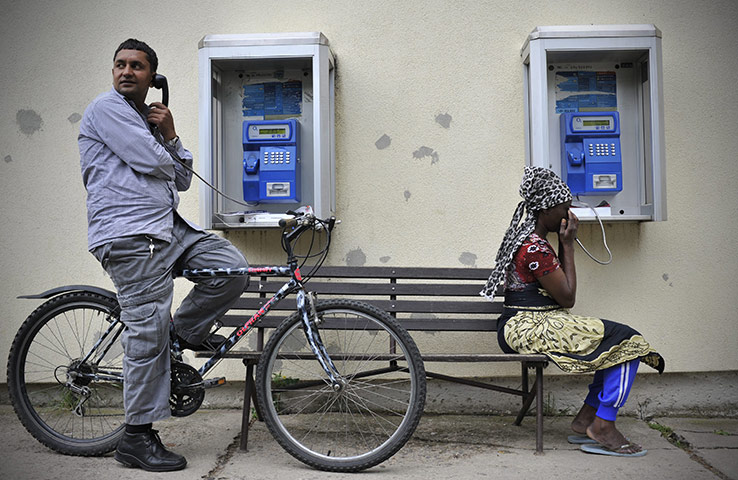
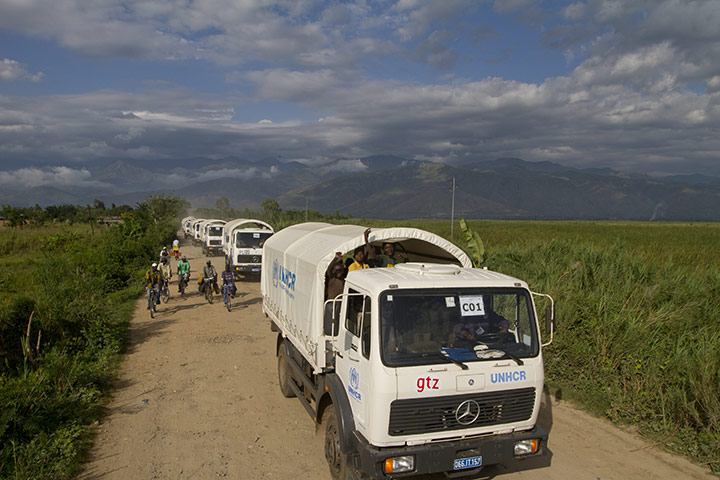
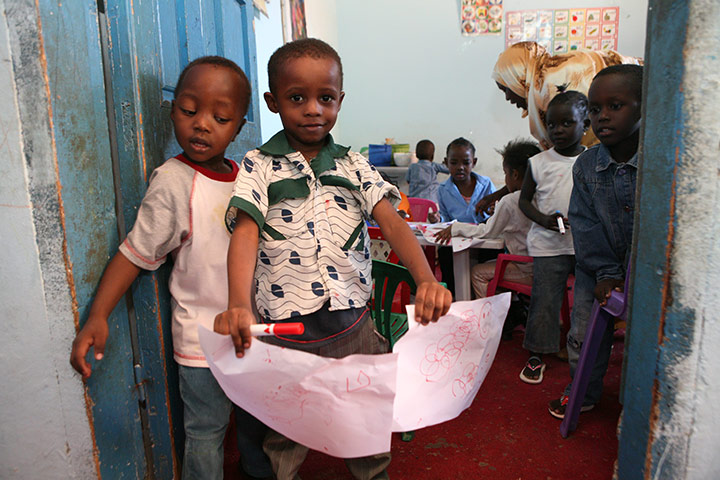
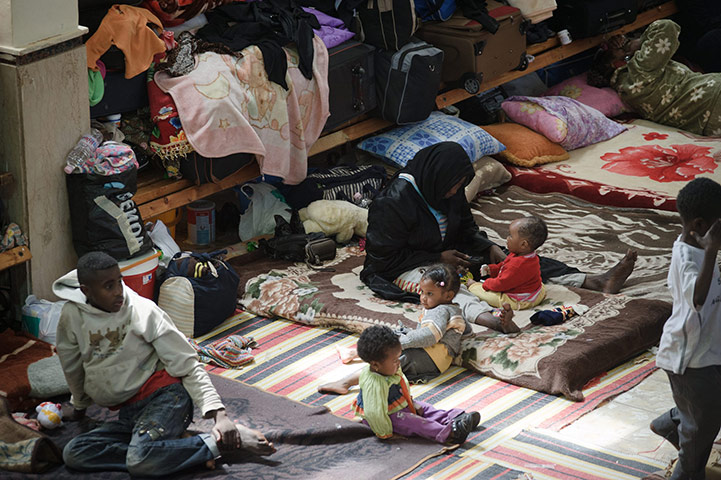
Sudanese refugees at the evacuation transit centre (ETC) in Timisoara, Romania. On Monday, the UN high commission for refugees published its 2010 trends report. Among the findings, Sudanese were among the top 10 nationalities of refugees at both the start and end of the decadePhotograph: Bela Szandelszky/UNHCRAsylum seekers from Pakistan, left, and from the Democratic Republic of the Congo, right, use public phones in the Kostelec residential centre in Kostelec in the Czech Republic. The report found that 43.7 million people are now displaced worldwide. The UN report found that four-fifths of the world's refugees are hosted by developing countries. Pakistan hosts the largest refugee population, with 1.9 million peoplePhotograph: Bela Szandelszky/UNHCRWithin view of the Itombwe Massif, a convoy of UNHCR trucks carries Burundian refugees home after years of exile in the Democratic Republic of the Congo last December. The UNHCR says that 7.2 million people were defined as protracted refugees - people who are stuck in exile for five years or longerPhotograph: Marc Hofer/UNHCR
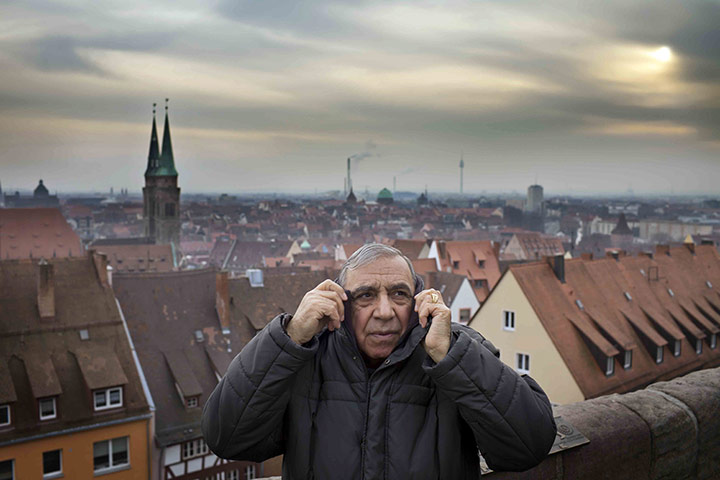
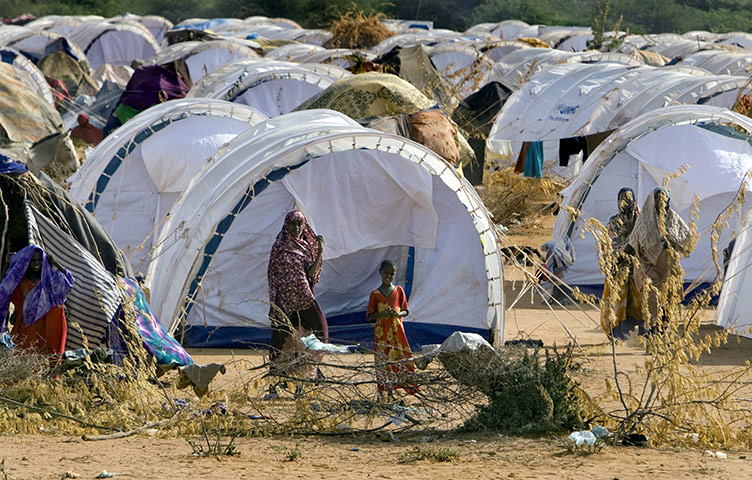
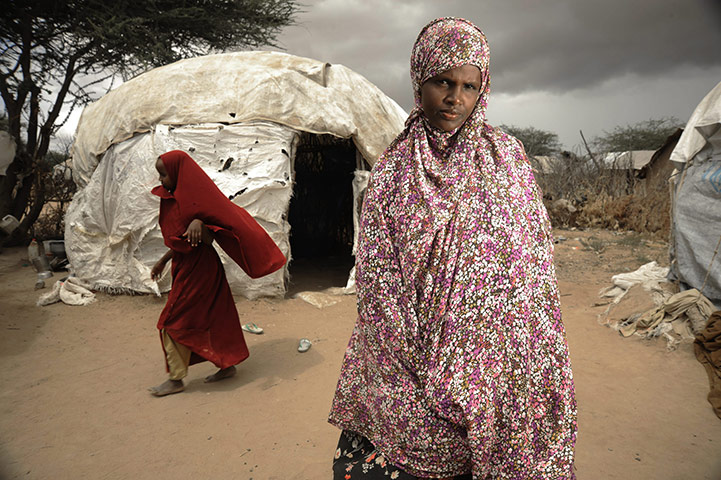
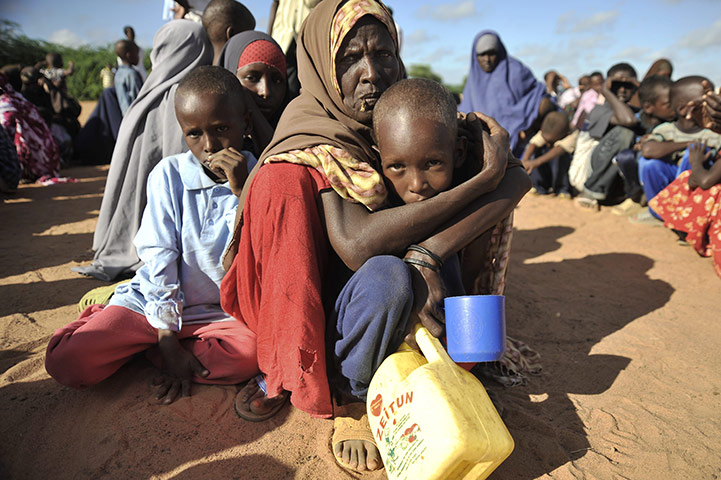
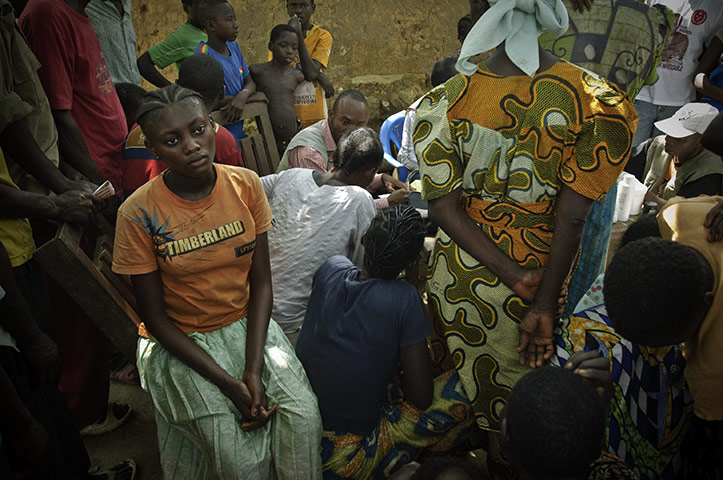
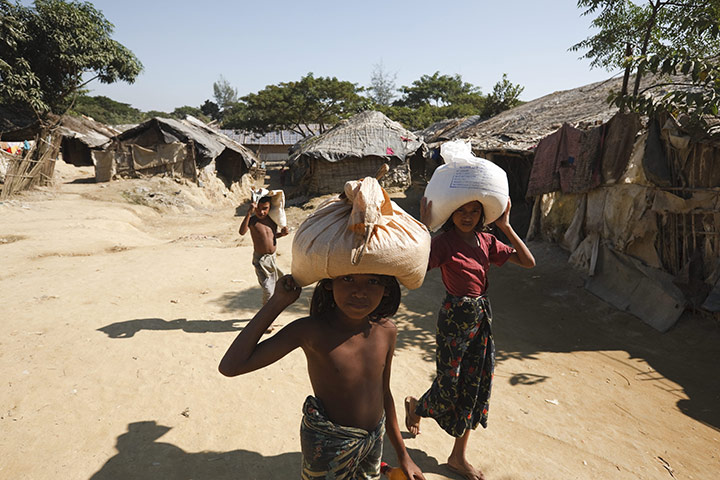
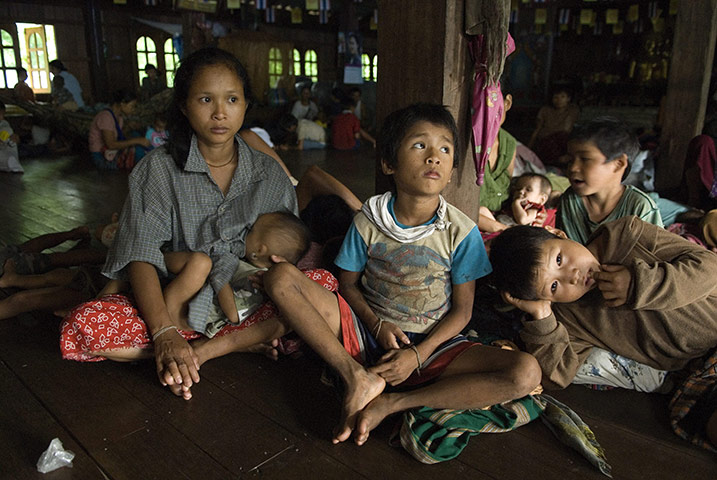
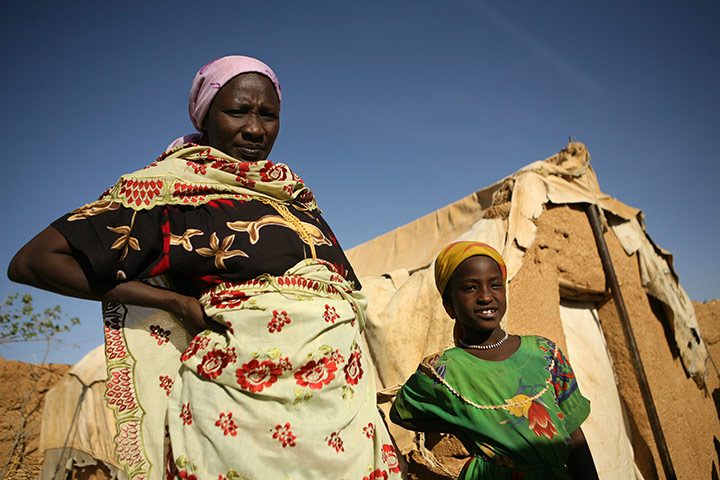
A resettled Iraqi refugee amid the rooftops of Nuremberg, Germany. Germany has 17 refugees for each dollar of per capita GDP. In comparison, Pakistan has 710 refugees for each $1 of GDP, while DRC has 475 and Kenya has 247. Antonio Guterres, the UN high commissioner for refugees, said: ‘Fears about supposed floods of refugees in industrialised countries are being vastly overblown or mistakenly conflated with issues of migration. Meanwhile, it's the poorer countries that are left having to pick up the burden’Photograph: Gordon Welters/UNHCRRefugees from Somalia stand beside makeshift shelters and new tents at the new arrivals section of the Ifo camp in Dadaab. Continuing violence in Somalia has led to more and more Somalis seeking refuge in Kenya, but the UNHCR is struggling to cope with the thousands of new arrivals at the camps who need shelter, food and medical attention. Earlier this month, Médecins sans Frontières warned the camp had run out of space, sparking concerns of a humanitarian crisisPhotograph: Evelyn Hockstein/UNHCRDeqra Mohamed, 20, stands in front of her shelter in Dadaab, where she's lived since she arrived nearly five years ago. Mohamed and her husband, five children and some cousins share the same shelter. The three camps that make up the Dadaab complex were originally designed to house 90,000 people, but official estimates suggest that around 5,000 new refugees arrive each month. The UN declared the camp full three years agoPhotograph: Riccardo Gangale/UNHCRNew arrivals from Somalia wait for registration at Ifo camp in DadaabPhotograph: Riccardo Gangale/UNHCRRefugees from the DRC arrive in Congo Brazzaville's Mabelou site, 50km south of Betou, along the Ubangi river, the natural border with the DRCPhotograph: Fred Noy/UNHCRRefugees children from Colombia arrive in Boca de Cupe village in Panama. Many Colombian refugees have settled in a remote border area in the Darien province of Panama, which is accessible only by boat and only when there is enough water in the Rio Tuira. According to the UN, Colombia is among the top 10 source countries of refugees, at 395,600 Photograph: B Heger/UNHCRChildren from Burma carry rice distributed by the World Food Programme to their house in the Nayapara camp in Bangladesh. The UN estimates there to be around 415,700 Burmese refugeesPhotograph: Suthep Kritsanavarin/UNHCRHundreds of Karen people from Burma were allowed by Thai authorities to take temporary refuge in the Buddhist Nong Bua temple along the borderPhotograph: Thierry Falise/UNHCRMariam and her daughter, who are Sudanese refugees from Darfur, in front of their house in Kounougou refugee camp in Chad. Mariam and her family escaped Darfur in 2004, fleeing aerial bombing by the Sudanese government and ground attacks by the Janjaweed militia Photograph: H Caux /UNHCRKilo Arbo Wi Nus, an outlying district of the Egyptian capital, Cairo, is home to many Sudanese refugees. Many have opened small businesses such as stores, food outlets and repair shops. The Nuba Mountain Association runs a daycare center for children of Sudanese refugeees. Due to the influx of refugees housing prices have risen. Some Sudanese children are bussed to the neighborhood for schooling from other areas of the cityPhotograph: Thomas Hartwell/UNHCRAn Afghan teenager has to endure the cold near Calais, in France. Some asylum seekers and migrants sleep under bridges at night while others find accommodation through an organisation defending the rights of migrantsPhotograph: Helene Caux/UNHCRAn Eritrean family sit in one of many halls at the Egyptian border at Sallum, having fled violence in Libya. The UNHCR report does not cover the displacement caused by recent conflict in areas such as Libya, Ivory Coast and Syria. Perhaps not surprisingly, conflict is a major cause of displacementPhotograph: Phil Moore/UNHCR
Sign up to read this article
Read news from 100’s of titles, curated specifically for you.