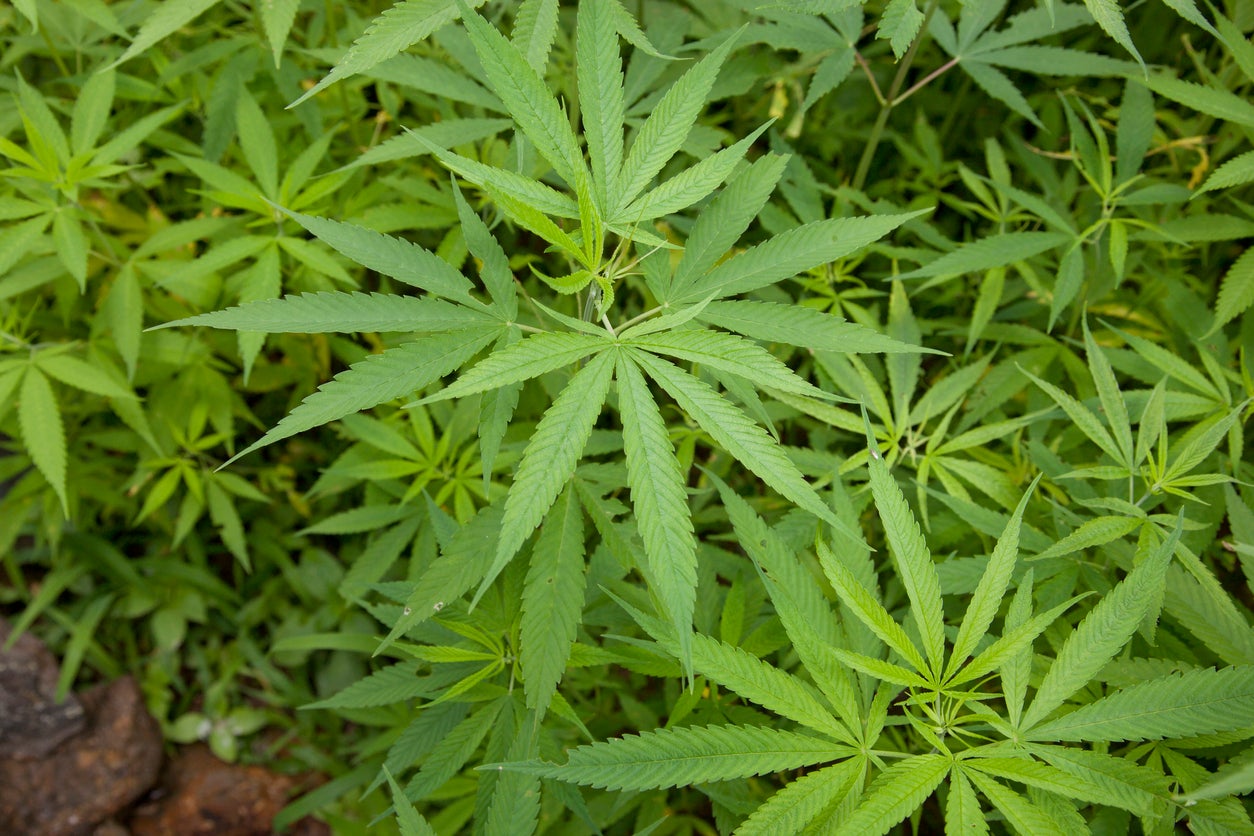
Cannabis is no longer considered a risky narcotic after a UN agency voted to remove it from a category of the world’s most dangerous drugs.
The UN Commission on Narcotic Drugs (CND) said in a statement it had voted 27-25 on Wednesday, with one abstention, to follow the World Health Organisation’s recommendation to remove cannabis and cannabis resin from Schedule IV of the 1961 Convention on Narcotic Drugs.
Under the category, which is a subset of Schedule I, cannabis was listed alongside deadly and addictive opioids, including heroin, which already require the highest levels of international control.
The agency voted to leave cannabis and cannabis resin on the list of Schedule I drugs, which also include cocaine, Fentanyl, morphine, Methadone, opium and oxycodone.
Although it is no longer classified as risky, the vote does not clear UN member nations to legalise marijuana under the international drug control system.
More than 50 countries have adopted medicinal cannabis programmes and many have decriminalised the possession of marijuana. Canada, Uruguay and 15 US states have legalised the substance for recreational use, with Mexico and Luxembourg close to becoming the next countries to follow suit.
The CND noted the prominent role cannabidiol (CBD) has in a number of wellness therapies over the past few years and the billion-dollar industry that it sparked. CBD is a non-intoxicating compound that is not subject to international controls.
Some countries clarified their stances after the vote, with Ecuador supporting all recommendations by the World Health Organisation and urging the implementation of a regulatory framework for cannabis production, sale and use.
The US voted to remove cannabis from Schedule IV but to retain it in Schedule I, saying it is “consistent with the science demonstrating that while a safe and effective cannabis-derived therapeutic has been developed, cannabis itself continues to pose significant risks to public health” and recommended continued control of the substance.
Chile and Japan voted against the reclassification. Chile argued that “there is a direct relationship between the use of cannabis and increased chances of suffering from depression, cognitive deficit, anxiety, psychotic symptoms, among others”.
Japan argued that recreational use of marijuana “might give rise to negative health and social impacts, especially among youth”.