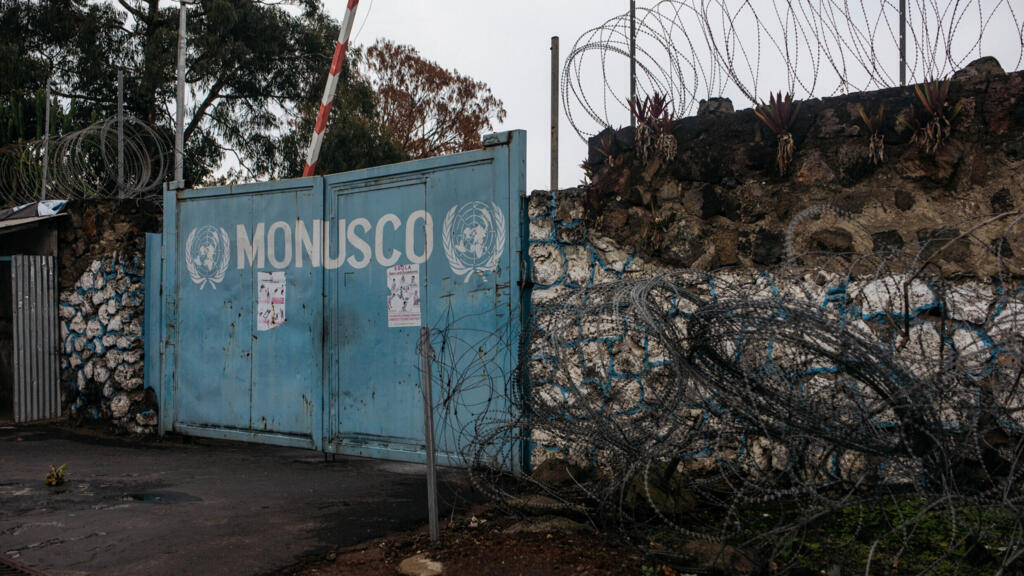
With hostilities once again flaring in the eastern Democratic Republic of Congo, the United Nations is weighing another extension of its Monusco peacekeeping mission when its mandate expires this month. Though the UN had been charting a progressive withdrawal, renewed fighting and an international push for peace look set to prompt a new commission focused on supporting fragile mediation efforts.
Just two years ago, the UN was discussing a gradual drawdown of its peacekeeping force in the DRC – now in its 26th year and one of the largest and most expensive missions in the organisation’s history.
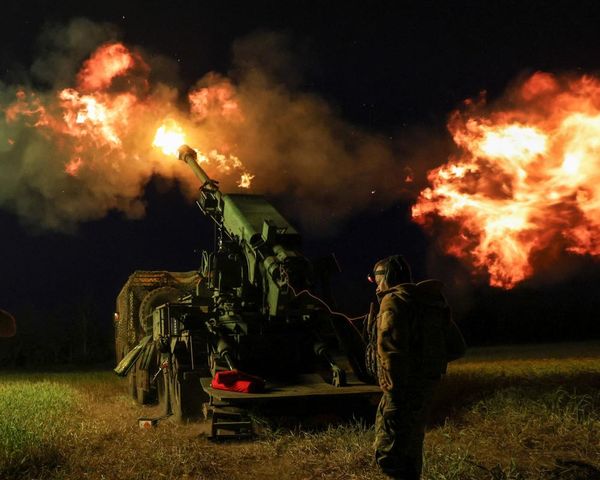
Today, against the backdrop of an M23 rebel offensive and persistent regional tensions, the UN Security Council is preparing to renew Monusco’s mandate, with a vote expected by 21 December.
In recent months all five permanent members of the council have reaffirmed their support for the mission, despite voicing concerns that logistical and financial restraints are preventing it from operating effectively.
The council appears to agree that Monusco can play a role in supporting the peace process led by Qatar and the United States, which produced an agreement between the DRC and Rwanda earlier this month – now threatened by an M23 advance that saw the Rwanda-backed rebels capture a key city near the border with Burundi.
Rwanda and DR Congo begin complex peace process after signing US-brokered deal
Ceasefire monitor
According to information obtained by RFI, Monusco’s next mandate is expected to focus on supporting the peace talks.
France – responsible for steering Security Council texts on the DRC – has circulated a draft resolution that positions the UN mission to provide key support for diplomatic efforts, including overseeing a possible ceasefire.
This fits with a framework agreement signed between the Congolese government and the M23 in November, which provides for a monitor to supervise the implementation of a ceasefire.
M23 tightens grip on key DR Congo city in 'middle finger' to US
US demands efficiency
Monusco’s mandate comes up for debate as the United States re-evaluates its support for UN operations, including peacekeeping.
Historically, the US has provided some 25 percent of the UN’s peacekeeping budget, but Washington is threatening to end its contributions in 2026.
It continues to back Monusco, which it says could play a valuable role in supporting the implementation of a peace deal.
But along with other Security Council members, the US has expressed concern that peacekeepers are unable to fulfil their current mission in the face of rising instability and restrictions on movement in areas controlled by M23.
“As the largest financial contributor for Monusco, the United States is deeply invested in its effectiveness,” Dorothy Shea, acting head of the US mission to the UN, told the council in March.
If Monusco can no longer carry out its mandate to protect civilians in M23-controlled areas, she said, the UN should consider “all options – including a re-examination of the mission’s mandate, which no longer reflects its operating environment”.
How Trump’s 'deportation campaign' is reshaping ties with Africa
Rebel withdrawal
UN Secretary-General Antonio Guterres has also stressed that any new mandate must uphold Resolution 2773, adopted earlier this year.
That text calls on the Rwandan Defence Force to end its support for the M23 and to withdraw immediately from Congolese territory, without preconditions. It also reiterates demands for the neutralisation of the FDLR, the Rwandan Hutu armed group long present in eastern DRC.
The M23 announced this week that it had begun withdrawing its fighters from the town of Uvira, the town in South Kivu province that it seized around a week ago after heavy fighting with the Congolese army and its allies.
It follows pressure from the US, which threatened action against Rwanda to force it to uphold the new peace deal.
A member of local civil society confirmed the departure to RFI. “It’s true, the M23 has just withdrawn. We saw soldiers heading towards Bukavu, some on foot, others in vehicles,” he said.
DRC's government has called for "vigilance", however, with government spokesperson Patrick Muyaya questioning the "alleged withdrawal".
"Who can verify it? Where are they going? How many were there? What are they leaving behind in the city?" he asked on social media.
The rebels have framed their pullback as conditional, calling for the deployment of a neutral force and insisting that neither the Congolese army nor its allies should reoccupy the city.
This has been adapted from the original article published by RFI in French.