The UN humanitarian chief has said that his worst fears that a full-scale military onslaught in northwestern Syria would "unleash a humanitarian nightmare unlike any we have seen" in the war-torn country are now coming true.
Mark Lowcock told a Security Council meeting Friday that escalating violence in the last three weeks in the de-escalation zone in opposition-held Idlib, where about 3 million people live, killed up to 160 people, displaced at least 180,000 and left millions "crammed into an ever smaller area."
While the area is nominally protected by a Russian-Turkish deal agreed in September to avert a new battle, the forces of Bashar al-Assad - backed by Russians - have launched an offensive on the last major opposition stronghold.
At least 18 hospitals and clinics have been destroyed or damaged by air strikes and shelling over recent weeks, several of which were on UN "no target" lists that detail exact locations of the health facilities to the warring sides, the UN aid chief told the Council.
UN political chief Rosemary DiCarlo warned that "if the escalation continues and the offensive pushes forward, we risk catastrophic humanitarian fallout and threats to international peace and security."
She reiterated the UN's call for an urgent de-escalation of violence and urged Turkey and Russia to re-establish a ceasefire in northwest Syria.
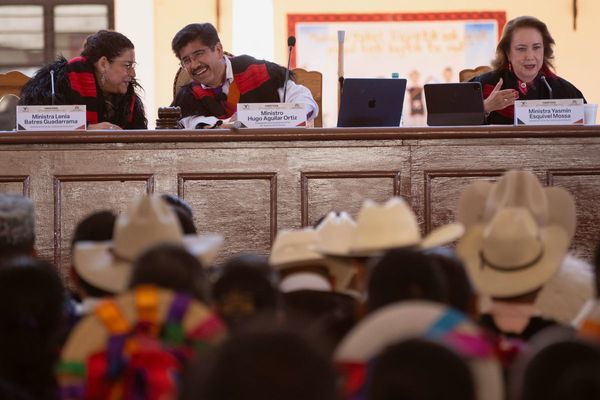
The Council met at the request of Belgium, Germany and Kuwait.
Acting US Ambassador to the United Nations Jonathan Cohen told the Council that Russia should take certain steps “with immediate effect in recognition of its ability to influence the behavior of the Assad regime.”
Among such steps is “de-escalation of all military activity in the Idlib de-militarized zone and recommitment to the full implementation of the September 17, 2018 Sochi Agreement. This means a full cessation of all hostilities in the area.”
He also said Moscow should ensure the Syrian regime does not deploy chemical weapons in Idlib.