Ultra-processed foods (UPFs) should face stricter regulation, a study has argued, after it found that they were more similar to cigarettes than to fruit and vegetables.
Research from three US universities found that both products have been engineered to encourage consumption and addiction, and called for public health efforts to limit their impact.
Evidence from 50 countries now links high UPF consumption to rising rates of obesity, neurological changes and metabolic dysfunction, such as Parkinson’s disease. Recent estimates indicate that one American dies every four minutes from preventable diseases associated with these products.
Scientists from Harvard, Duke University and the University of Michigan found both industries had used similar strategies to evade regulation and increase product appeal, which “collectively hijack human biology”.
While UPFs include obvious culprits like crisps, candy and frozen pizza, there are also some that people may believe are good for them, such as packaged granola bars, sports drinks and fruit-filled yoghurt.
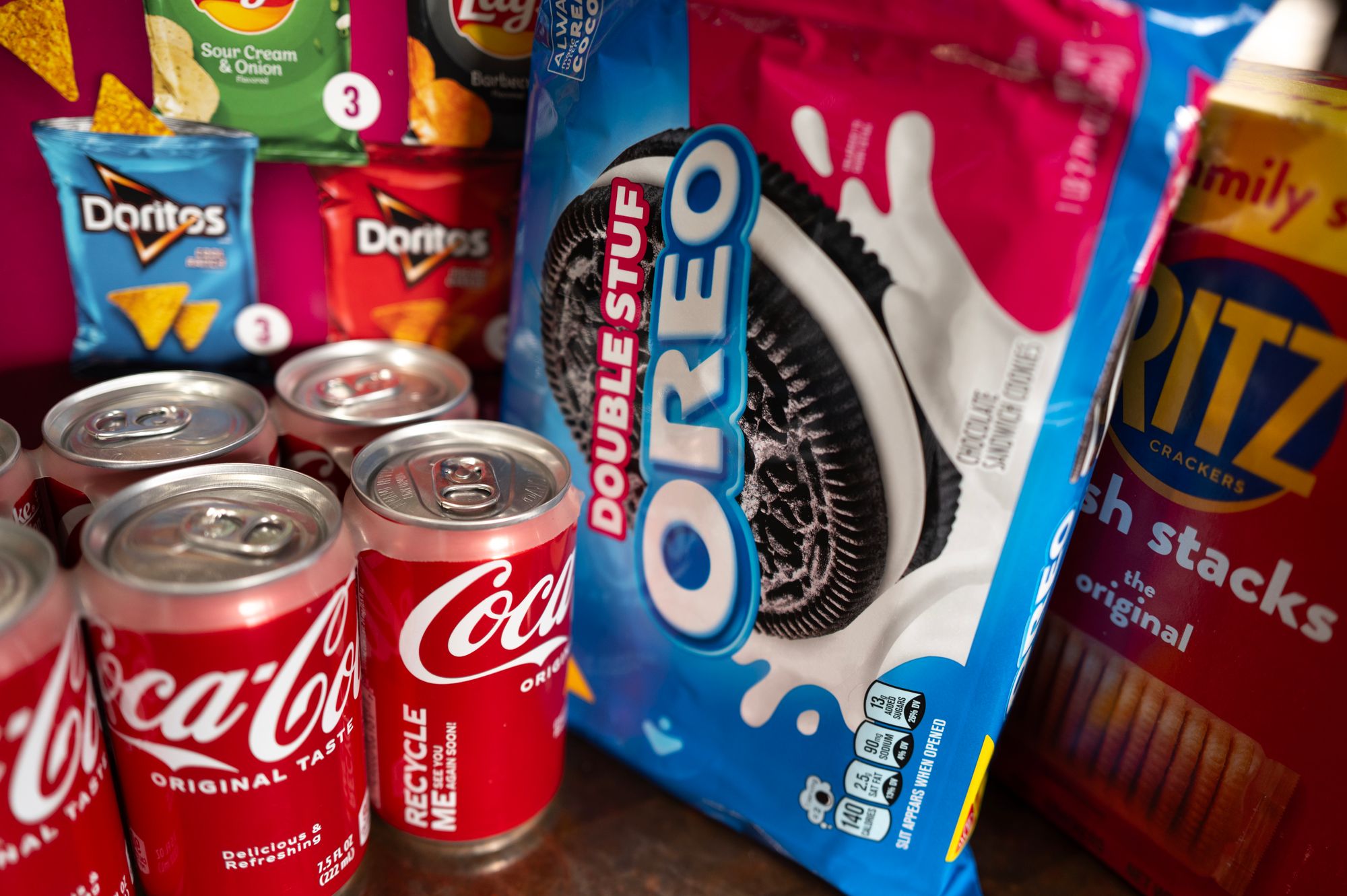
Examples of this would include marketing claims on products such as protein bars that indicate they are “low fat” or “sugar-free”, tactics that scientists say are “health washing” akin to similar moves by the tobacco industry to advertise cigarette filters in the 1950s.
Both cigarettes and UPFs are engineered to deliver a “just right” dose of reinforcing substances: nicotine in the case of cigarettes, and refined carbohydrates and fats in the case of UPFs.
The study, which was published in the healthcare journal The Milbank Quarterly, analysed data from the fields of nutrition, addiction science and public health history to draw comparisons.
While reducing smoking was one of the most significant public health achievements of the 20th century, UPFs continue to dominate the global food market, with calls for policy tools to be enforced that include restrictions on child-targeted marketing and limited availability in schools.
The study concluded: “UPFs should be evaluated not only through a nutritional lens but also as addictive, industrially engineered substances.
“Lessons from tobacco regulation, including litigation, marketing restrictions, and structural interventions, offer a roadmap for reducing UPF-related harm.
“Public health efforts must shift from individual responsibility to food industry accountability, recognising UPFs as potent drivers of preventable disease.”
Professor Ashley Gearhardt from the University of Michigan, a clinical psychologist specialising in addiction and one of the study authors, said her patients made the same links: “They would say, ‘I feel addicted to this stuff, I crave it – I used to smoke cigarettes [and] now I have the same habit but it’s with soda and doughnuts. I know it’s killing me; I want to quit, but I can’t.’”
She added: “We just blame it on the individual for a while and say, ‘Oh, you know, just smoke in moderation, drink in moderation’ – and eventually we get to a point where we understand the levers that the industry can pull to create products that can really hook people.”
XJ Kennedy, prize-winning poet and educator, dies at 96
Study reveals one lifestyle habit that could put you at risk of long Covid
He left Myanmar to study in Michigan. Trump’s travel ban cut short that dream
Ozempic regret: the side effects that people aren’t posting on Instagram
The appetite-suppressing diet which is ‘like Mounjaro but with food’