Motorists driving older and dirtier vehicles will be charged an extra £12.50 to enter central London from today as a new ultra-low emission zone (ULEZ) came into force.
Petrol cars older than 13 years and diesels older than four years will be hit by the levy.
Sadiq Khan, the Labour mayor of London, said the charge was being introduced to help prevent thousands of deaths from air pollution, adding that the city’s “toxic air is damaging people’s health”.
For the first two and a half years the ULEZ will cover the same area as London’s existing congestion charge, but in October 2021 will be expanded to the entirety of the inner city, out to the north and south circular roads.
But unlike the congestion charge, which costs drivers £11.50 between 7am and 6pm on weekdays, the ULEZ levy is in force 24 hours a day.
All vehicle types apart from black taxis are liable for the Ulez charge unless they meet certain emissions standards or exemptions. Non-compliant lorries, buses and coaches face a £100 daily fee.
It is estimated that 100,000 cars, 35,000 vans and 3,000 lorries may be affected every day once the zone is expanded.
The ULEZ was announced by former mayor Boris Johnson, but his successor Mr Khan brought forward the start date and decided to extend it for 2021.
There has been concern that poorer motorists, small businesses and charities will be unfairly stung by the charge as they are less able to afford to upgrade their vehicles.
Eddie Curzon, the London director of business organisation the CBI, described the ULEZ as a “really positive step” but warned that “smaller firms can struggle to afford the switch to low-emission vehicles”.
City Hall said Transport for London is running a scrappage scheme to help the smallest businesses and charities switch to cleaner vehicles.
It also noted that people in London’s most deprived areas are more likely to suffer from poor air quality and are least likely to own a car.
The charge’s debut comes after two-thirds of teachers said they would support a ban on cars near school gates.
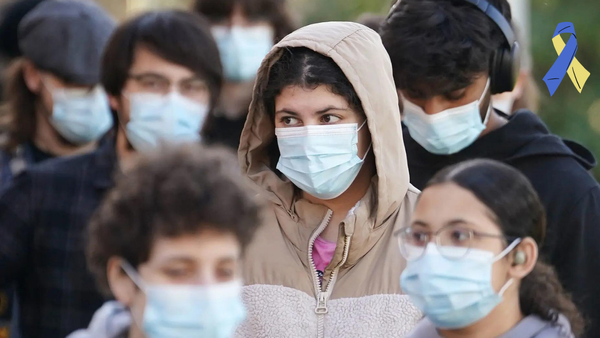
Their stance followed a Unicef report which claimed that some 4.5 million children – or one in three – were growing up in towns and cities in the UK with unsafe levels of particulate pollution.
Additional reporting by PA