Ukraine hit a Russian shadow fleet tanker in the Mediterranean on Friday in an unprecedented strike, one day after receiving a near £80bn loan from European allies to aid its war against Vladimir Putin’s forces.
Aerial drones caused substantial damage to the Qendil tanker off the coast of Libya, more than 2,000km from Ukraine, according to the country’s security service.
Grainy black and white footage showed flames billowing from the deck of the tanker, in the first attack of its kind in this conflict to have taken place in the Mediterranean.
Ukraine accused Russia of using unregulated ships to sidestep sanctions in order to fund the invasion, after EU leaders had failed to agree on a plan to use frozen Russian assets to help Ukraine.
Putin was quick to respond to the strike during his annual media address in Moscow: “Another of our tankers in the Mediterranean Sea has been attacked ... This will never lead to the expected result, will not disrupt supplies, and, in the end, will only create an additional threat. A response from our country will follow.”
The Russian president went on to reiterate that he would achieve his goals in Ukraine by force if diplomacy fails, while insisting Russia was ready to stop fighting immediately once it receives security guarantees.
He was uncompromising in his demands for ending the war, saying the onus was on Ukraine and Europe to make the next move.
The Russian president also claimed that Europe had backed away from the plan to seize frozen Russian assets due to fear of “grave” repercussions.
He again blamed the conflict on Nato expansion, accusing the West of fighting a proxy conflict through “Ukrainian nationalists” and stressing that the “root causes” of the war need to be addressed to achieve a sustainable peace.
The phrase has become shorthand for his maximalist demands for Ukraine to withdraw from the Donbas, some form of regime change in Kyiv, and for Nato to back away from Russia’s borders.
The choreographed end-of-year conference with the public was unusually focused on the war in Ukraine, as US diplomats prepared to present the Kremlin with revised peace terms.
On the prospect of war with Europe, Putin said: “Will there be new special military operations? There won’t be if you treat us with respect and respect our interests, just as we’ve always tried to respect yours. Unless you cheat us, like you did with Nato’s eastward expansion.”

The wandering four-hour conference invited carefully curated questions on a range of issues, but a number of unfiltered comments also showed up on a digital comments board, complaining about internet outages and social media bans.
One person asked: “Why do ordinary people live worse than Papuans [citizens of Papua New Guinea]?”
As Putin faced the frustrations of his public, Ukrainian peace negotiators met with their US counterparts to begin a new round of talks on how to end the war.
White House envoy Steve Witkoff and Donald Trump’s son-in-law, Jared Kushner, also plan to meet a Russian delegation in Miami this weekend, a White House official said.
The head of the Ukrainian delegation, Rustem Umerov, said on Friday that they had already held talks with European partners, who are vying to offer Ukraine comprehensive security guarantees.
“We are constructively minded. We have already held preliminary consultations with our European colleagues and are preparing for further discussions with the American side,” Mr Umerov said. “Ukraine’s security must be guaranteed reliably and in the long term.”
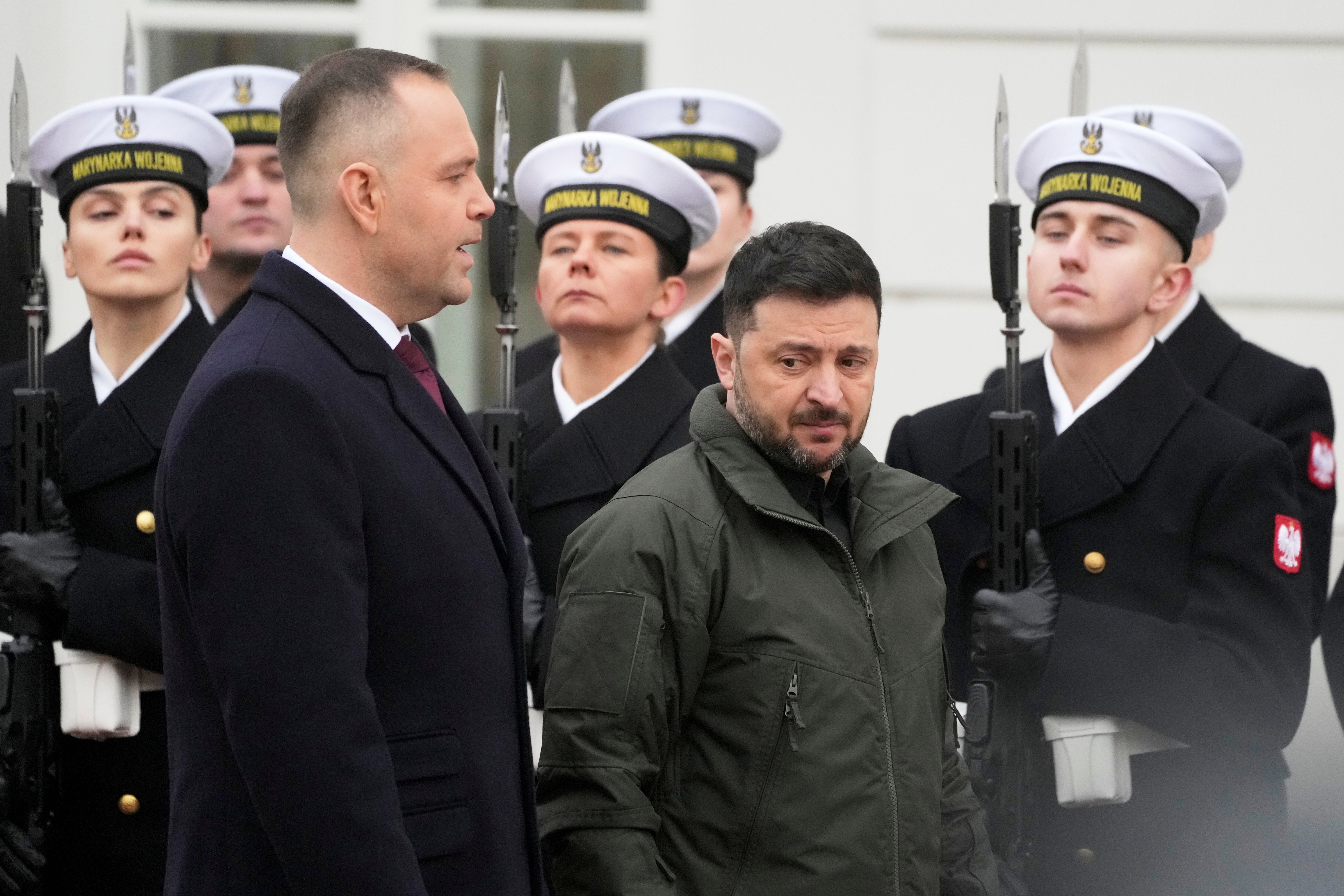
News of the Miami meeting came after Mr Witkoff and Mr Kushner held talks in Berlin with Ukrainian and European officials earlier this week.
Europe dug deep to find an additional loan worth €90bn (£79bn) for Ukraine on Thursday after many weeks of deliberation.
President Volodymyr Zelensky said on Friday the EU’s decision was a signal to Russia that there is no point in continuing its war because Kyiv is supported financially.
Mr Zelensky reiterated that the decision, reached in Brussels overnight, was a victory for Ukraine, despite leaders failing to agree on how to use €210bn of frozen Russian assets.
Kyiv faces a $45bn budget gap next year and plans to use the EU funds for social and humanitarian spending and to support its defence efforts.
Angry Russians turn on Putin over poverty and economy during press conference
Ukraine war live: Kyiv hits Russian tanker in Mediterranean in ‘unprecedented’ strike
‘The UK got what it wanted’: Readers on long waits at EU borders
Rachel Reeves welcomes EU deal to loan billions to Ukraine
Shein ordered to make changes or face fines amid sex doll controversy
Putin asked about existence of aliens: ‘This is secret information’