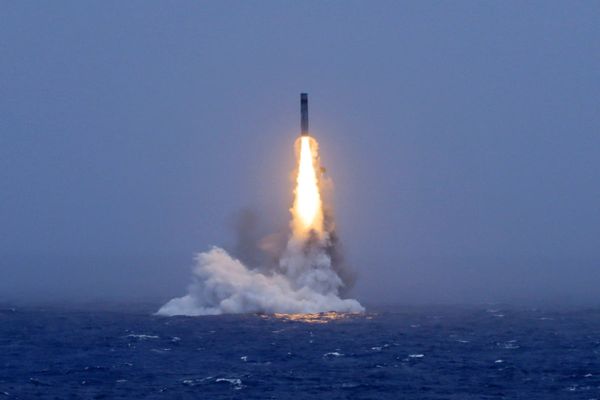
The UK is reportedly “a few weeks away” from major medicine shortages if the Iran war continues, experts have said, while the conflict could also prompt a surge in drug prices.
The US-Israeli war in Iran has disrupted the supply of crucial raw materials, such as oil, gas, crop fertiliser and helium, sending prices soaring. Now, experts have said that essential medications – from painkillers to cancer treatments – could be next.
Mark Samuels, the chief executive for Medicines UK, representing manufacturers of generic drugs which make up 85 per cent of medications used by the NHS, warned that if the conflict dragged on, drug shortages could emerge in a matter of weeks.
He told The Guardian: “We’re not in a crisis currently but it’s still a serious situation.”
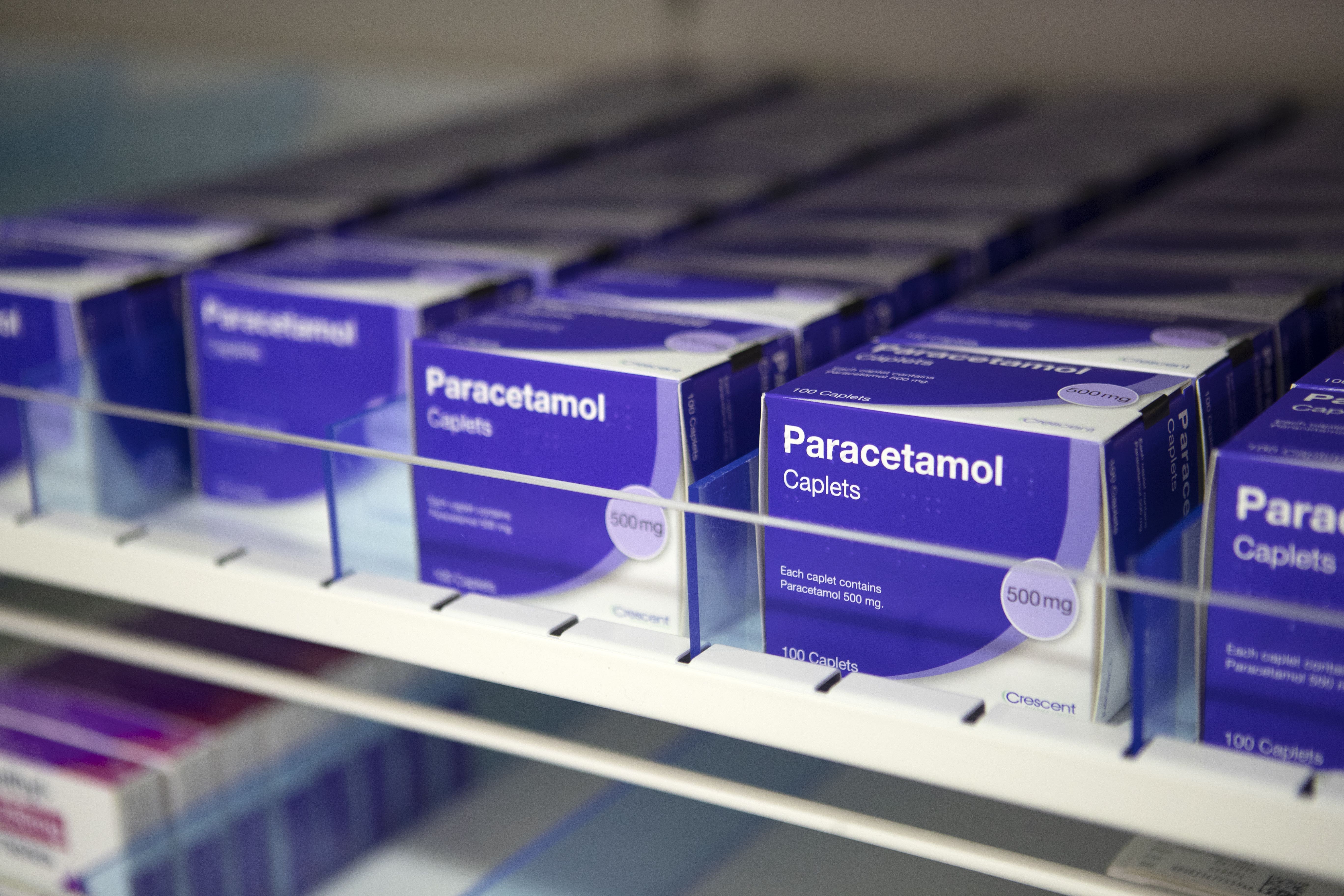
Mr Samuels explained that medical distributors typically stock six to eight weeks of stocks to avoid shortfalls, while suppliers to hospitals in England must hold eight weeks’ worth.
He added that the war had doubled the cost of air freight rates: “One in five NHS medicines comes in by air, and currently manufacturers are trying to absorb those costs.
“But they’ve got historically low margins, and the risk is that it makes some medicines lossmaking to supply to the NHS.”
Suppliers have long-term pricing agreements with NHS hospitals, but they could increase prices for drugs supplied to GP practices and pharmacies.
Shortly after the United States and Israel launched Operation Epic Fury at the end of February, Iran claimed control over the Strait of Hormuz.
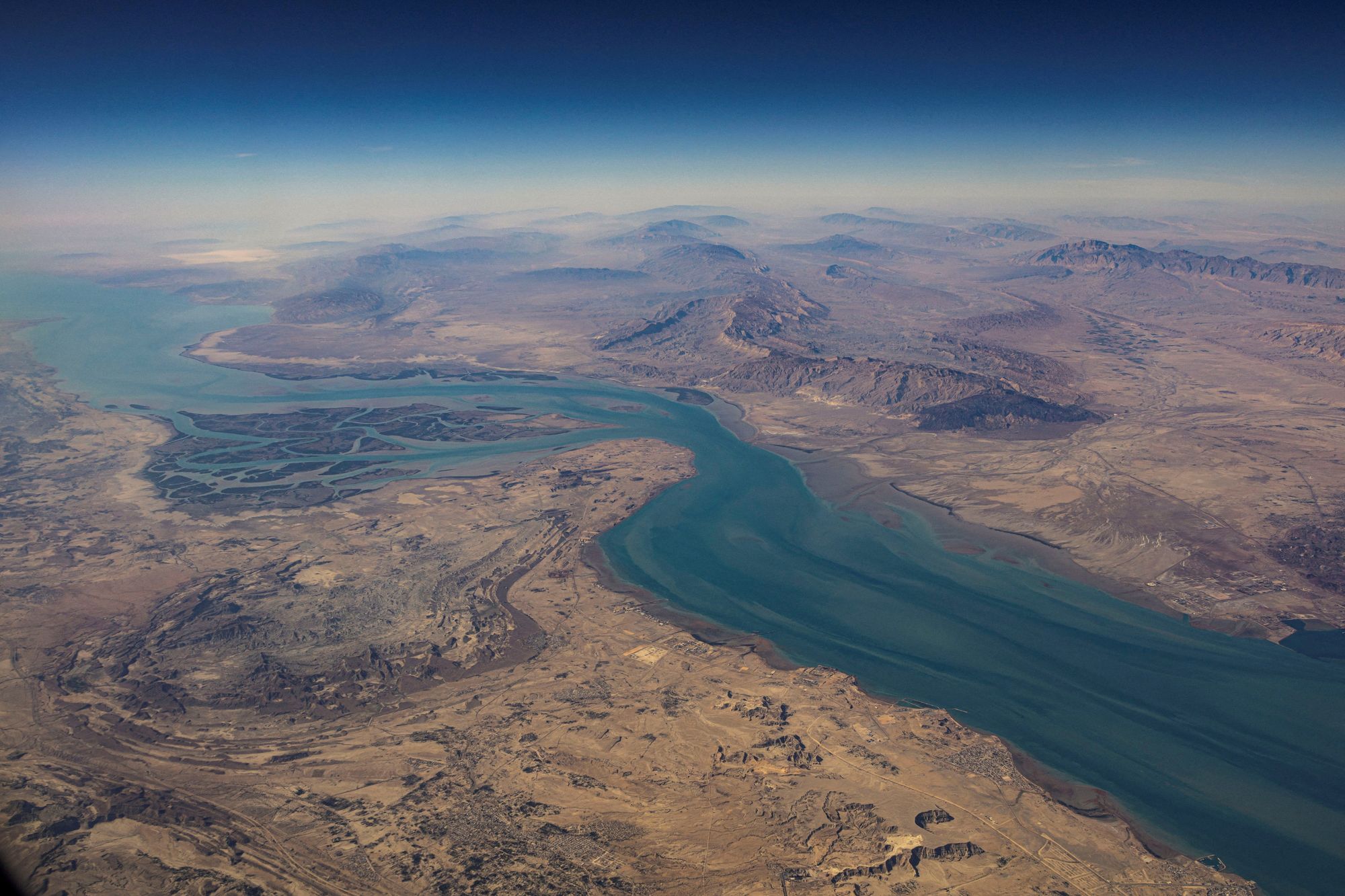
The waterway is considered to be one of the world’s most valuable shipping routes, with 20 million barrels of oil passing through it each day.
Since the Islamic Revolutionary Guard Corps took control of the strait, only 165 vessels have made transit up until the waterway was closed on Friday, according to Kpler.
Oil prices have since skyrocketed with countries in Asia particularly suffering from shortages; the Philippines has declared a national emergency and India has been forced to ration cooking gas.
David Weeks, the Texas-based director of supply chain risk management at the analytics group Moody’s, called the situation a “perfect storm.”
He told The Guardian: “We have the conflict in the Gulf that caused the strait of Hormuz to shut down, and India is known as the pharmacy of the world.
“They produce a lot of the generic [off-patent] drugs and APIs [active pharmaceutical ingredients]. With the geopolitical situation, it’s harder and harder to get those out.”
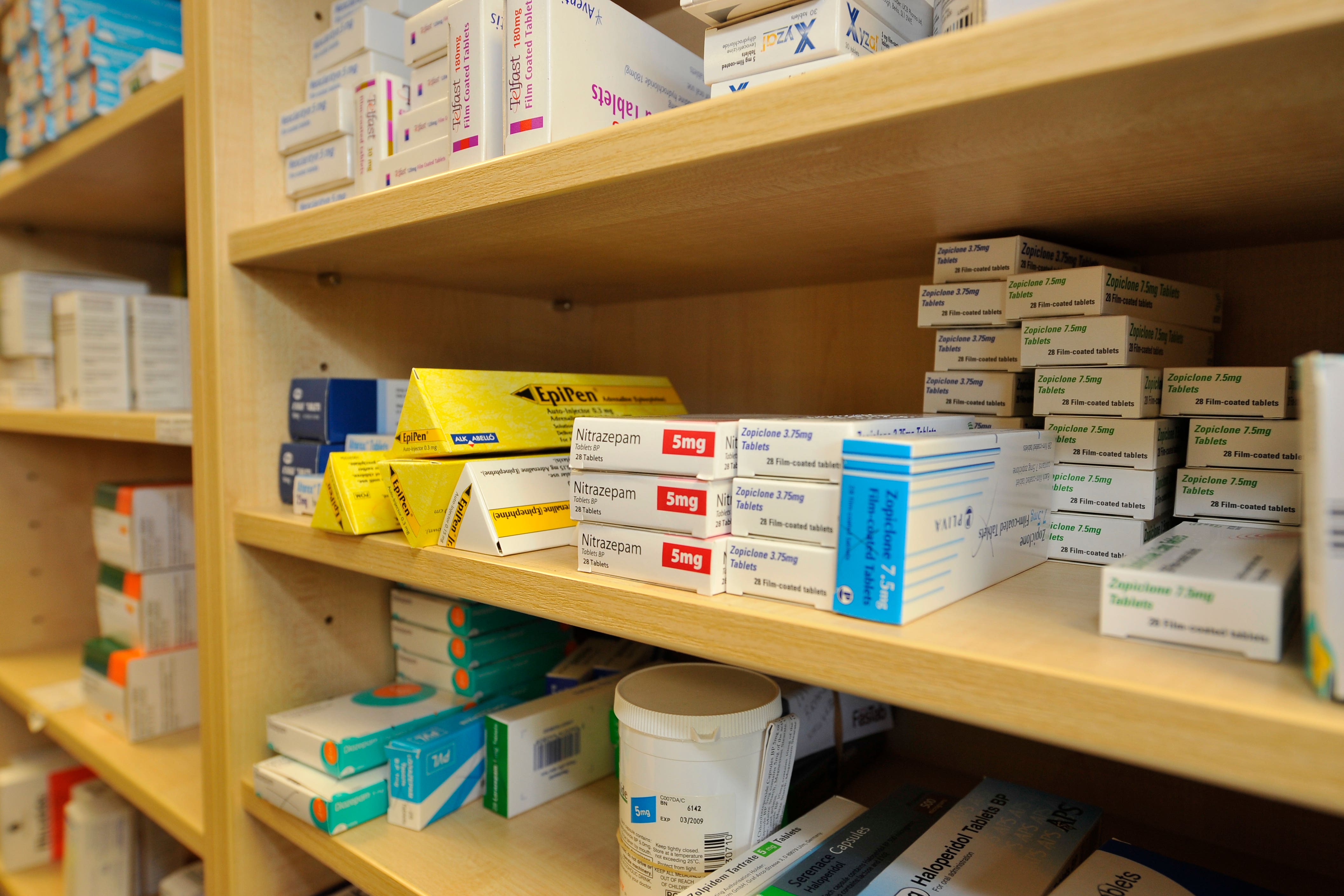
The warnings come weeks after the Independent Pharmacies Association warned the conflict could exacerbate medical supply issues already ongoing.
The organisation, which represents 5,000 independent community pharmacies across England and Wales, called on the Government to take action to tackle supply issues.
Dr Leyla Hannbeck, chief executive of the Independent Pharmacies Association, said: “Pharmacies up and down the country are reporting worsening medicines shortages.”
The pharmacist said that already common medicines such as blood pressure medicines, pain killers, antidepressants and hormone replacement therapy medicines were in short supply.
“Government must act urgently to strengthen the resilience of the UK medicines supply system,” she said. “Without co-ordinated national action, patients will continue to feel the impact of supply disruption at the pharmacy counter.
“The ongoing conflict in the Middle East further risks shortages as pharmaceutical raw materials become harder to source, energy costs rise and transport delays mount.”
A government spokesperson said: “There are currently no reported medicine shortages as a result of conflict in the Middle East. We continue to monitor the situation closely for any impacts on the medical supply chain.
“The department actively monitors emerging threats to supply resilience and have established processes in place to manage disruption across the health and social care sector.”
Iran-US war latest: Assault ship with thousands of US marines arrives in Middle East
Force of 3,500 Marines and sailors arrive in Middle East
Israel military kills 15-year-old Palestinian boy in West Bank, health ministry says
Starmer’s popularity boosted by Iran war rift with Trump, poll shows
‘My sister was fit and healthy – then she collapsed and died while out on a run’
‘We have six months to save our daughter before childhood dementia steals her future’