UK television drama budgets have been slashed by almost half in the past seven years, Ofcom has said.
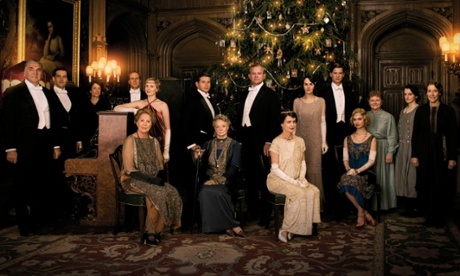
Despite the recent success of high-profile, big-budget dramas such as Sherlock, Downton Abbey and Doctor Who, overall spending on the genre has fallen dramatically as UK channels try to save money.
Between them, the four public service broadcasters – the BBC, ITV, Channel 4 and Channel 5 – have reduced the amount they spent on drama by 44% since 2008.
The amount of UK drama shown on terrestrial TV has dropped by 41% over the same period from 627 hours in 2008 to 371 hours in 2014.
The decline comes despite recent boasts by senior BBC executives that UK drama is just as good as US series such as Game of Thrones or House of Cards.
Last year, the corporation’s head of television, Danny Cohen, insisted British shows have “huge respect and kudos” around the world, and the BBC promised to inject another £30m a year into drama on BBC1.
However, Ofcom warned that, overall, channel heads are wary of investing in high-risk, expensive projects and are more likely to commission shows with international appeal that can be sold abroad after being shown on terrestrial TV.
It said: “In drama, the cost and risk of high quality drama, which is expensive to make, has to be weighed against the commercial case.
“For drama, our understanding is that the potential for international revenue is an increasingly important consideration in commissioning.”
Ofcom said that ITV had made the biggest cuts to its drama output in recent years, reducing the number of hours by 65% since 2008.
Overall, the public service broadcasters have reduced their investment in original UK-made content across all genres by over £400m.
Ofcom said: “[They] have shifted investment towards cheaper genres over the review period (eg replacing drama with relatively cheaper entertainment programmes) and they have also reduced spend outside evening peak time.”
The broadcasting watchdog said there were several reasons for the relative decline in TV drama compared with other genres.
It said the cost of producing high-end drama has risen in recent years because of increased competition for skilled crews and well-equipped studios.
Drama has also suffered disproportionately from the migration of viewers away from live TV to online catchup services. About a fifth of UK drama is now viewed via catchup services such as ITV Player and All 4, where it is harder to make money through advertising.
Other genres such as documentaries, news and sport are less affected by the trend, as viewers still prefer to watch them live as they are broadcast.
In its review of public service broadcasting, Ofcom also warned that provision of programmes on subjects such as the arts, classical music and religion and ethics has also come under threat since quotas on these genres were removed in 2003.
It said: “Provision has all but ceased of religion and ethics (£13m, down 26%) and formal education (£7m, down 77%). We note that this is happening at a time when matters of religious belief are prominent in public debate.”