Britain’s economy is poised to “flirt” with recession, with unemployment set to soar amid the fallout from the ongoing conflict in Iran, economic forecasters have warned.
A new report has predicted that the UK’s economy will flatline across the second and third quarters of this year, hovering on the brink of a technical recession – defined as two consecutive quarters of falling GDP.
The latest Independent Treasury Economic Model (Item) Club report predicted a modest 0.7 per cent rise in gross domestic product (GDP) over the entire year, a significant downgrade from the 1.4 per cent expansion initially forecast for 2025.
It comes just days after the International Monetary Fund (IMF) warned that Donald Trump’s war on Iran risks triggering a global recession in a damning assessment of the conflict’s impact on the world economy.
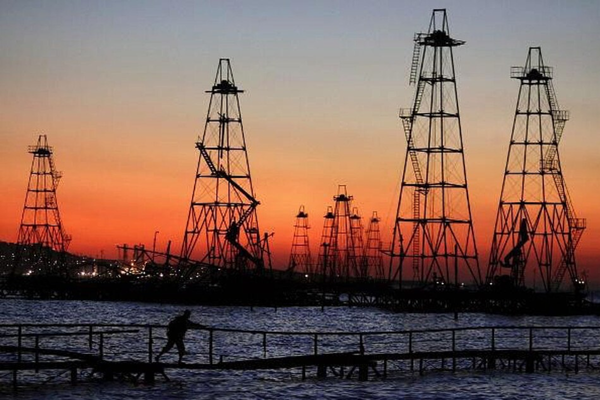
While the economy will “flirt with recession”, it will also see higher oil and energy prices weigh on activity, and the jobs market suffer its “biggest hit since the pandemic”, the Item Club warned.
It anticipates the UK’s jobless rate will peak at 5.8 per cent by mid-2027, resulting in nearly 250,000 more people out of work – meaning there would be more than 2 million jobseekers.
Matt Swannell, chief economic adviser to the UK-based economic forecasting group, said: “Spiralling energy costs and disruption to supply chains will push the UK to the brink of a technical recession in the middle of this year.
“Consumers’ spending power will be squeezed, while more expensive financing arrangements and a less certain global economic backdrop will pour cold water on companies’ investment plans.”
US president Donald Trump has issued further threats to Iran if a deal is not reached around the Strait of Hormuz, after it was reported that Iranian forces were refusing passage through the key trading route over the weekend.
The IMF has said the international outlook had “abruptly darkened” as a result of the war, which threatens to throw the global economy “off course” and could cause an energy crisis on an unprecedented scale.
Last week, it highlighted the UK as facing the largest growth downgrade among G7 nations, with a forecast of 0.8 per cent for 2026, sharply down from 1.3 per cent predicted in January.
However, recent data indicated stronger than expected economic momentum before the full impact of the Iran conflict, with GDP growing by 0.5 per cent month on month in February – the fastest expansion since January 2024.
Despite inflation being projected to surge to almost 4 per cent in the latter half of 2026 – nearly double the Bank of England’s 2 per cent target – the report suggests interest rates will remain unchanged throughout 2026.
The Monetary Policy Committee (MPC) is expected to resist knee-jerk rate hikes.
Mr Swannell added: “We don’t expect the Bank of England to repeat the 2022 playbook and hike interest rates as energy prices rise. This time, policy is already restrictive, and a more fragile economy means that businesses will find it harder to pass on higher costs to the consumer.
“Instead, the MPC can stand pat as it waits for inflation to fall back before it cuts interest rates a couple more times in the middle of next year.”
Trump bashes ‘totally wrong’ Energy Secretary Wright for dire gas prices warning
The key sticking points between US and Iran ahead of talks
Iran war latest: Trump says Israel ‘never talked me into war’ in furious tirade
Anti-Islam campaigner blocked from entering UK to speak at Tommy Robinson rally
Starmer-Mandelson latest: ‘Beggars belief’ I wasn’t told of vetting failure, PM says
Farage’s claim Reform’s migrant policy will save billions ‘not remotely credible’