LONDON (Reuters) - The UK Supreme Court ruled on Tuesday that Boris Johnson's decision to shut down parliament in the run-up to Brexit was unlawful, but a defiant prime minister said he disagreed and vowed that Britain would leave the EU by Oct. 31, come what may.
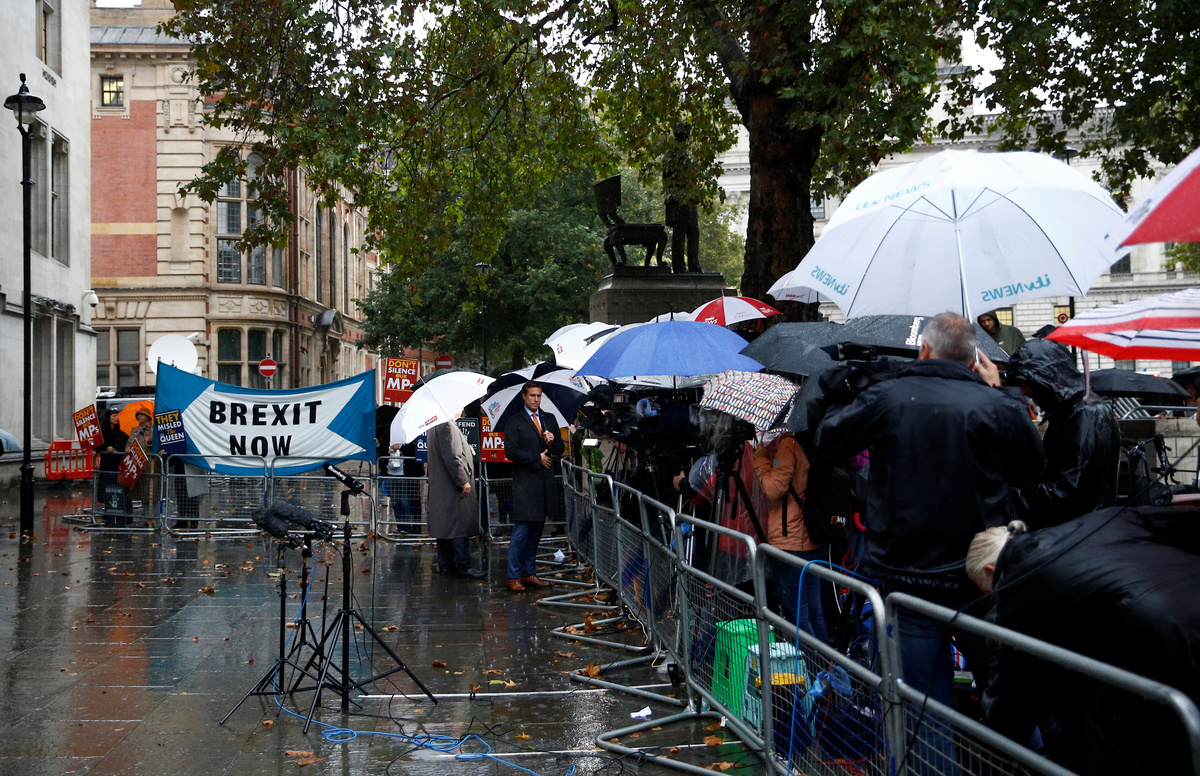
The stinging judgment by all 11 of the court's sitting justices undermines Johnson's already fragile grip on power and gives legislators more scope to try to stop him taking Britain out of the bloc next month, with or without a divorce deal.
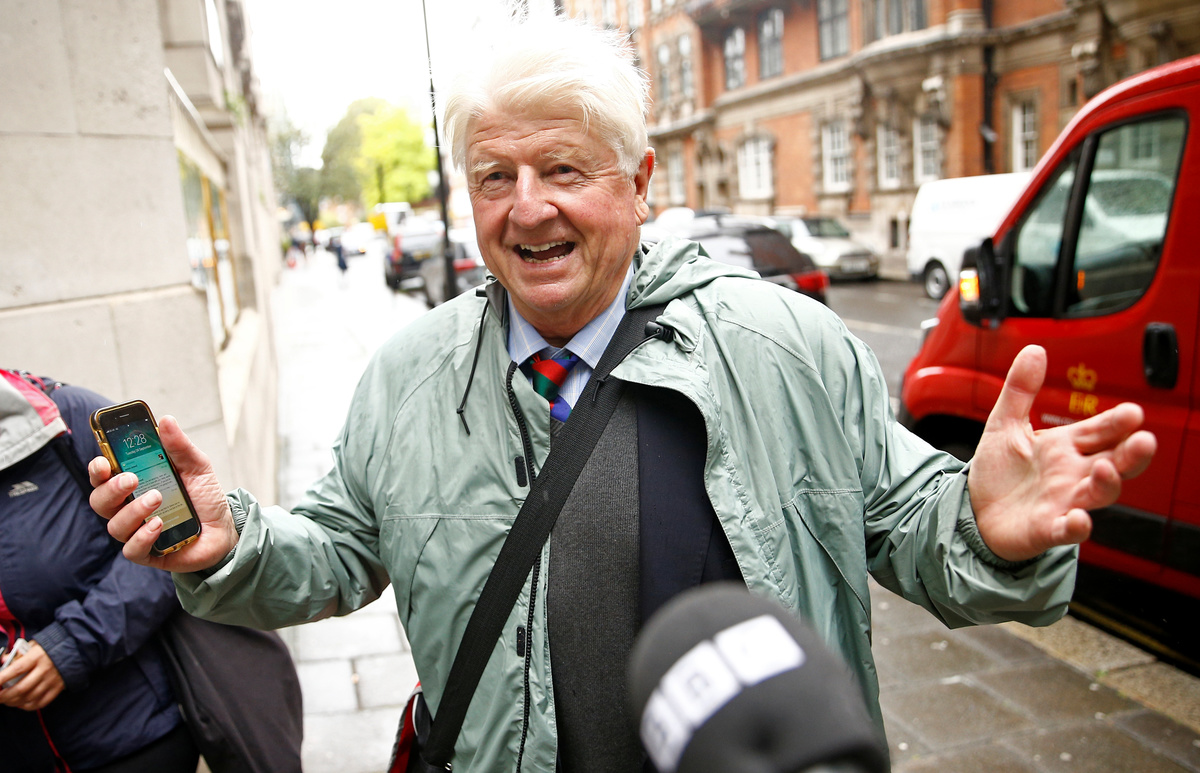
Responding in New York to the decision, which said that the suspension was null and void, Johnson said he would respect the ruling but "strongly disagreed" with it, making clear the setback would make no difference to his Brexit agenda.
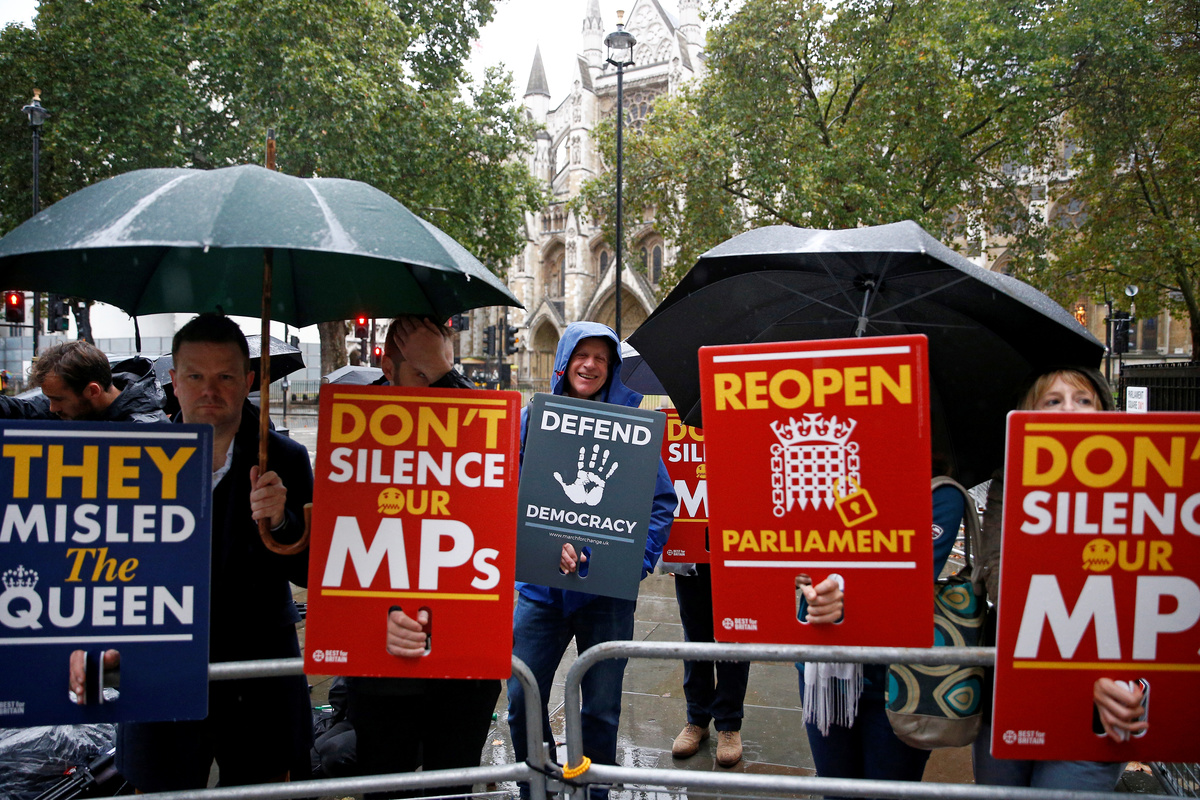
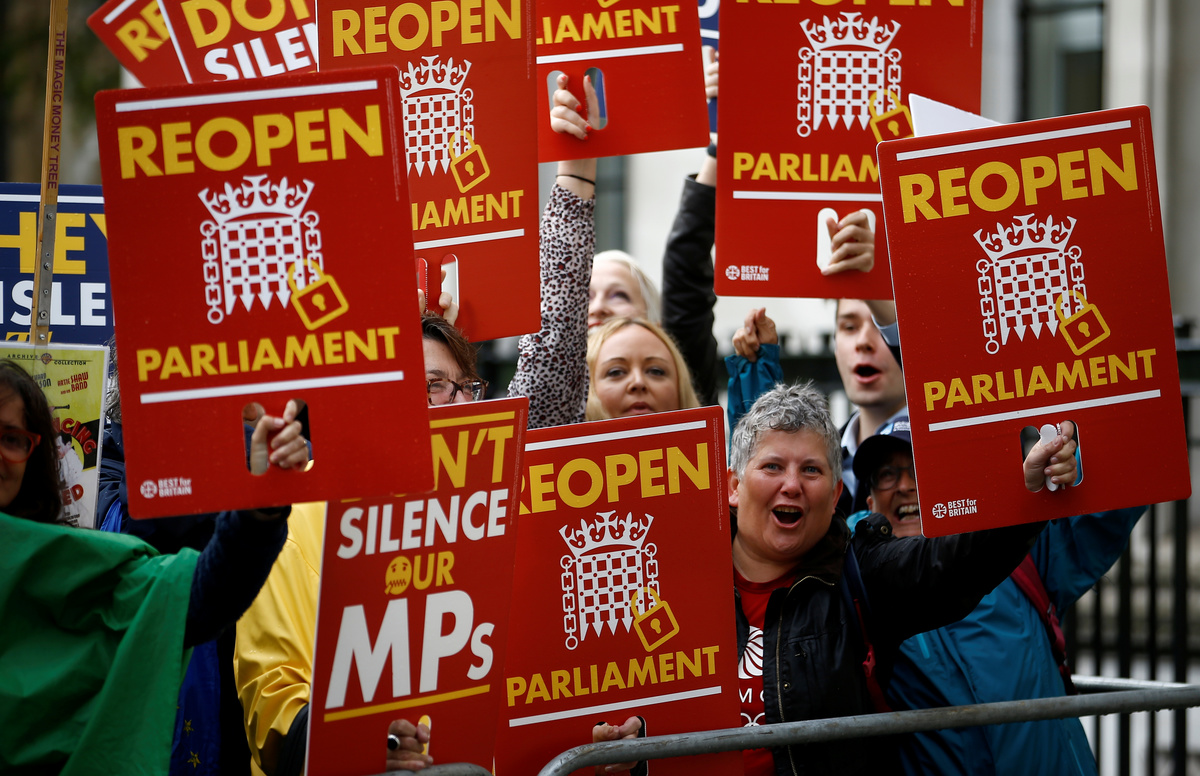
The Supreme Court ruling, the most important constitutional legal verdict in decades, was a blistering rebuke of Johnson's actions. Opposition leaders called on Johnson to resign immediately for misleading Queen Elizabeth, who had formally suspended parliament on his advice.
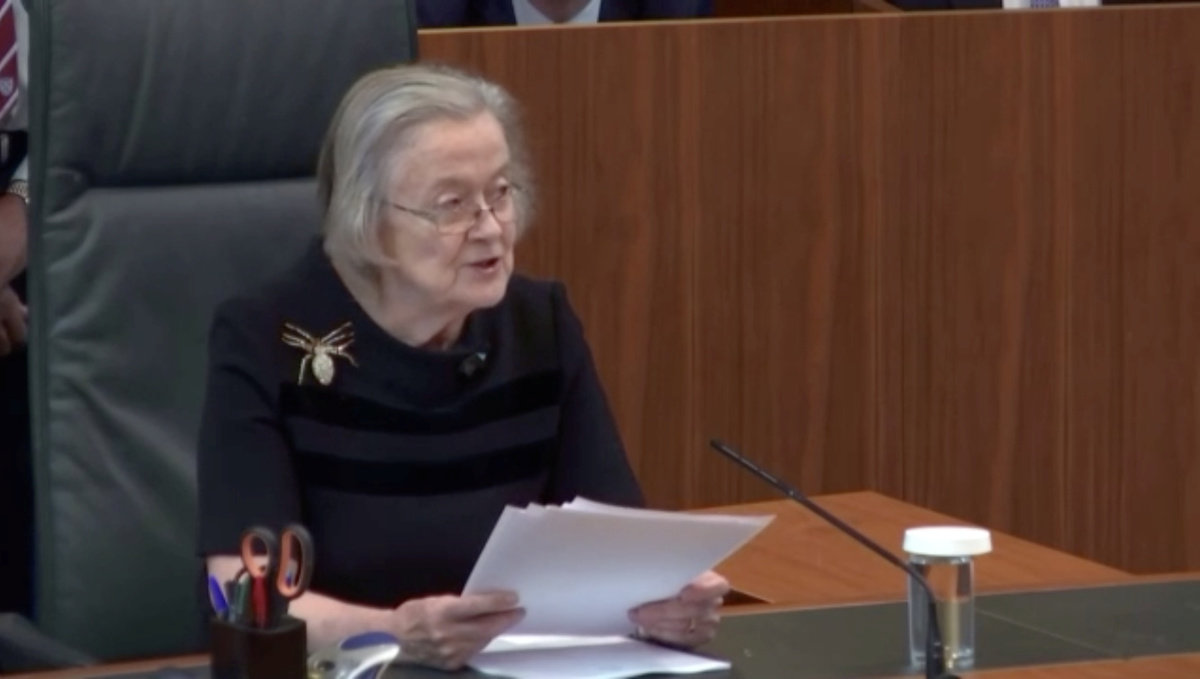
"The decision to advise Her Majesty to prorogue parliament was unlawful because it had the effect of frustrating or preventing the ability of parliament to carry out its constitutional functions without reasonable justification," Supreme Court President Brenda Hale said.
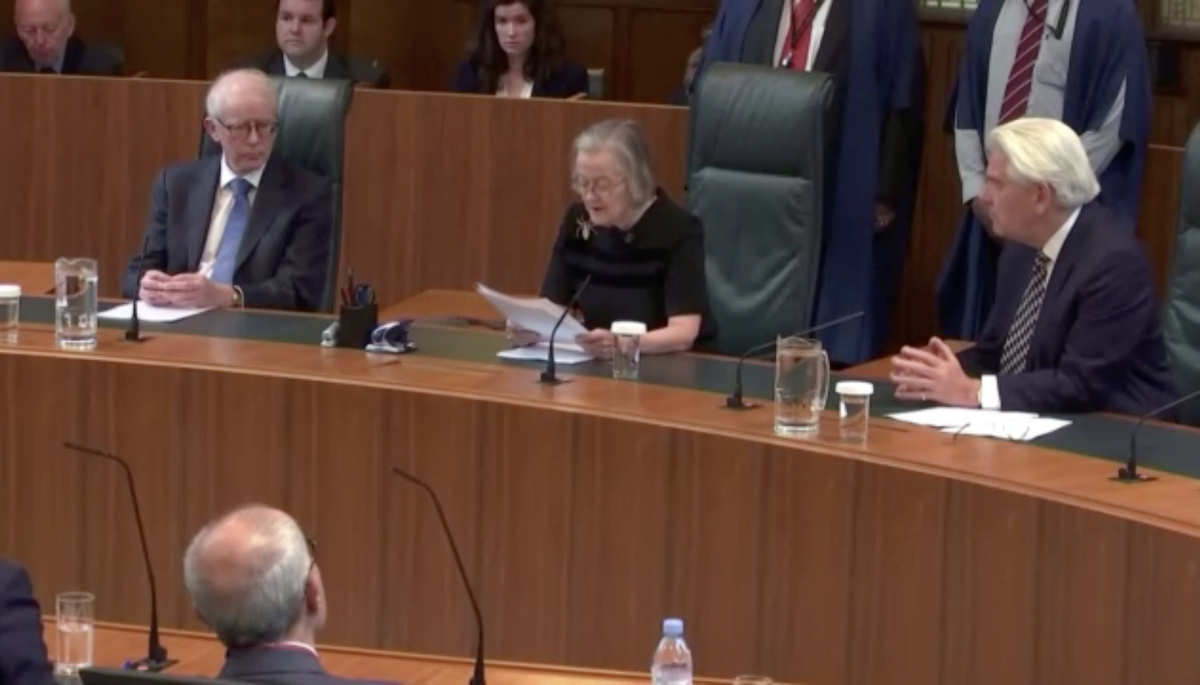
The ruling said Johnson had not given any reason - "let alone a good reason" - for suspending the legislature for five weeks, an act which had had an "extreme" effect on the fundamentals of British democracy.
"The prime minister's advice to Her Majesty was unlawful, void and of no effect," said Hale, adding that parliament was therefore not suspended and it was up to the speakers of its two chambers to decide what to do next.
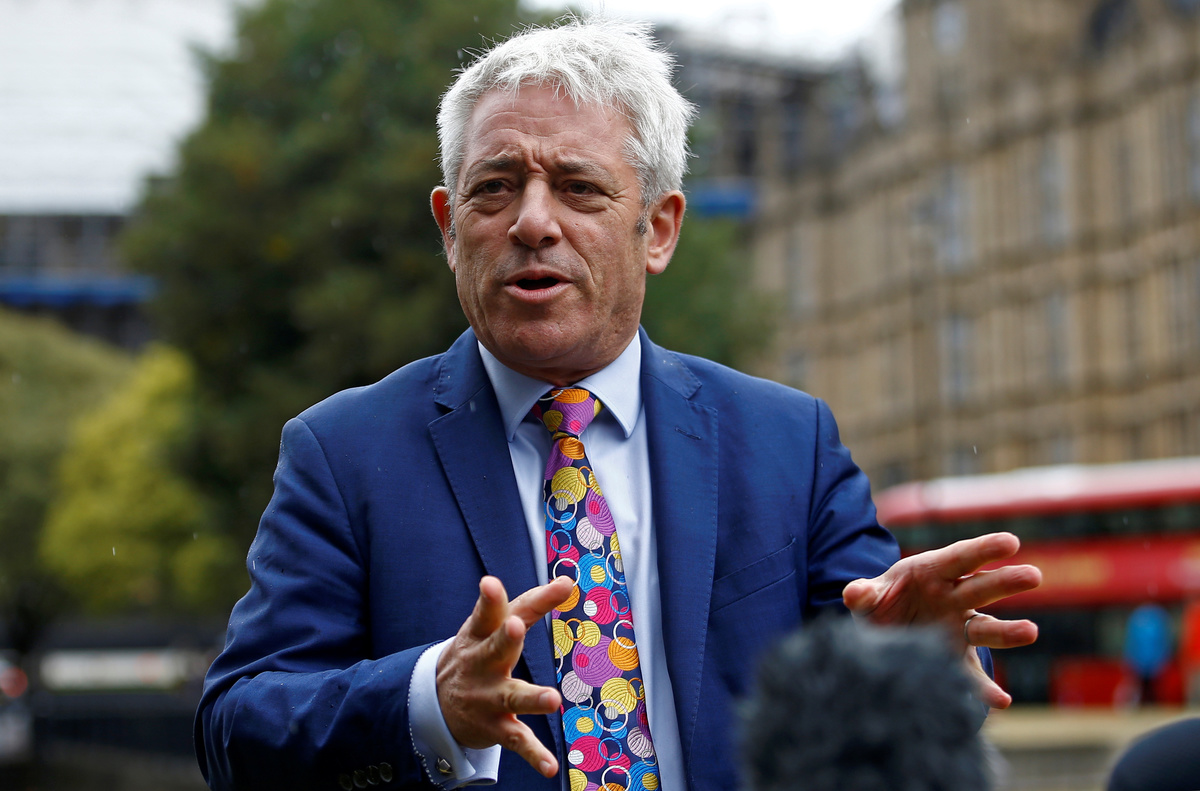
The speaker of the House of Commons, the lower and much more powerful chamber, said it would reconvene at 11:30 a.m. (1030 GMT) on Wednesday.
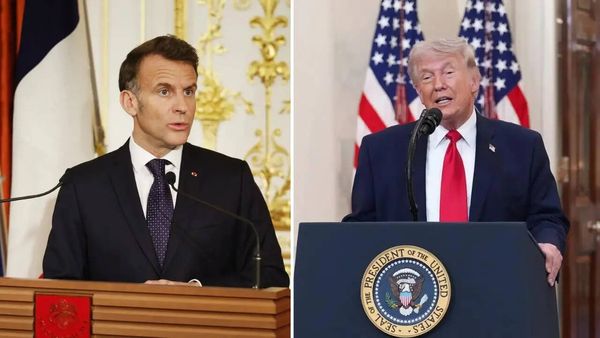
Standing alongside U.S. President Donald Trump at the United Nations, Johnson was asked if he would resign. "No, no, no," he replied, while Trump interjected: "I'll tell you, I know him well, he’s not going anywhere."
Johnson was unrepentant after the landmark ruling, saying while he respected the judges, he disagreed profoundly with them. He said that as the law stood, Britain would still leave the EU on Oct. 31.
"The exciting thing for us now is to get a good deal -- and that is what we are working on," he told reporters. "And to be honest it is not made much easier by this kind of stuff in parliament or in the courts," he added.
PARLIAMENT TO RESUME
Johnson, who has no parliamentary majority and suffered repeated defeats there before the suspension, had argued the shutdown was normal while a new legislative agenda, known as the Queen's Speech, was prepared.
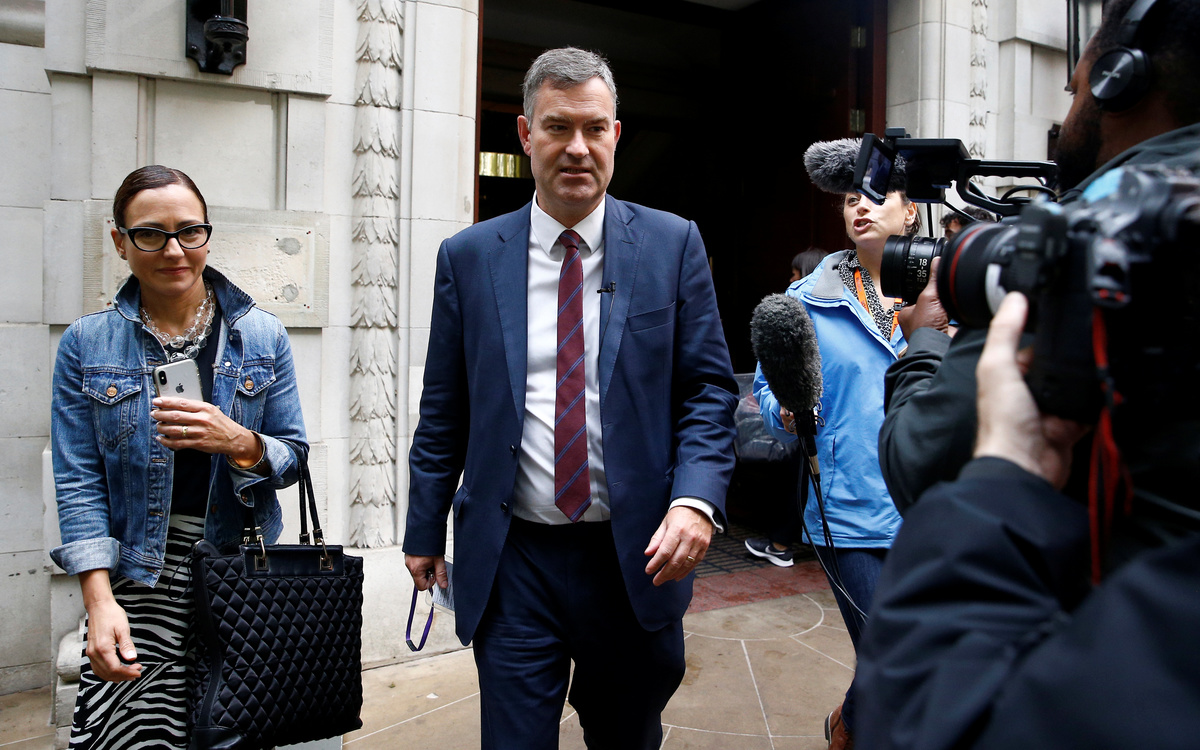
Critics said he had suspended parliament in order to prevent further reverses. A rebel alliance of opposition lawmakers and some from his own Conservative Party had forced through a law requiring Johnson to ask the EU to delay Brexit by three months if no deal was agreed by Oct. 19.
Asked how he planned to overcome that obstacle, Johnson ignored the question and repeated his view that an Oct. 31 exit was the legal default. He will return to Britain after giving a speech at the United Nations General Assembly and hold a call with senior ministers.
"Tomorrow is another day in parliament," Johnson said, although what will ensue there is not clear. He has also not ruled out suspending parliament again.
Jeremy Corbyn, leader of Britain's main opposition Labour Party, told his party's annual conference that Johnson should quit but did not say whether he would call for a vote of no confidence.
In financial markets, sterling rallied against the dollar and the euro after the decision, and at 1630 GMT stood half a cent higher on the day at $1.2480 <GBP=>.
PEOPLE VS PARLIAMENT?
More than three years after the United Kingdom voted by 52%-48% in a referendum to leave the European Union, the country remains deeply divided and the Brexit process has become mired in confusion, with options ranging from a turbulent no-deal exit to abandoning the entire endeavour.
In his comments in New York, Johnson sought to portray the court ruling as the latest attempt by Brexit opponents to thwart the will of the people as expressed in the 2016 referendum.
"Let’s be in no doubt there are a lot of people who want to frustrate Brexit. There are a lot of people who want to stop this country coming out of the EU," he said.
Johnson's critics say that such language, pitting parliament and the independent judiciary against the voters, is divisive and dangerous for British democracy.
The Supreme Court had repeatedly made it clear that it was passing no judgment on the pros and cons of Brexit, but rather was deciding a narrow legal point on whether or not the prime minister's advice to the queen was lawful.
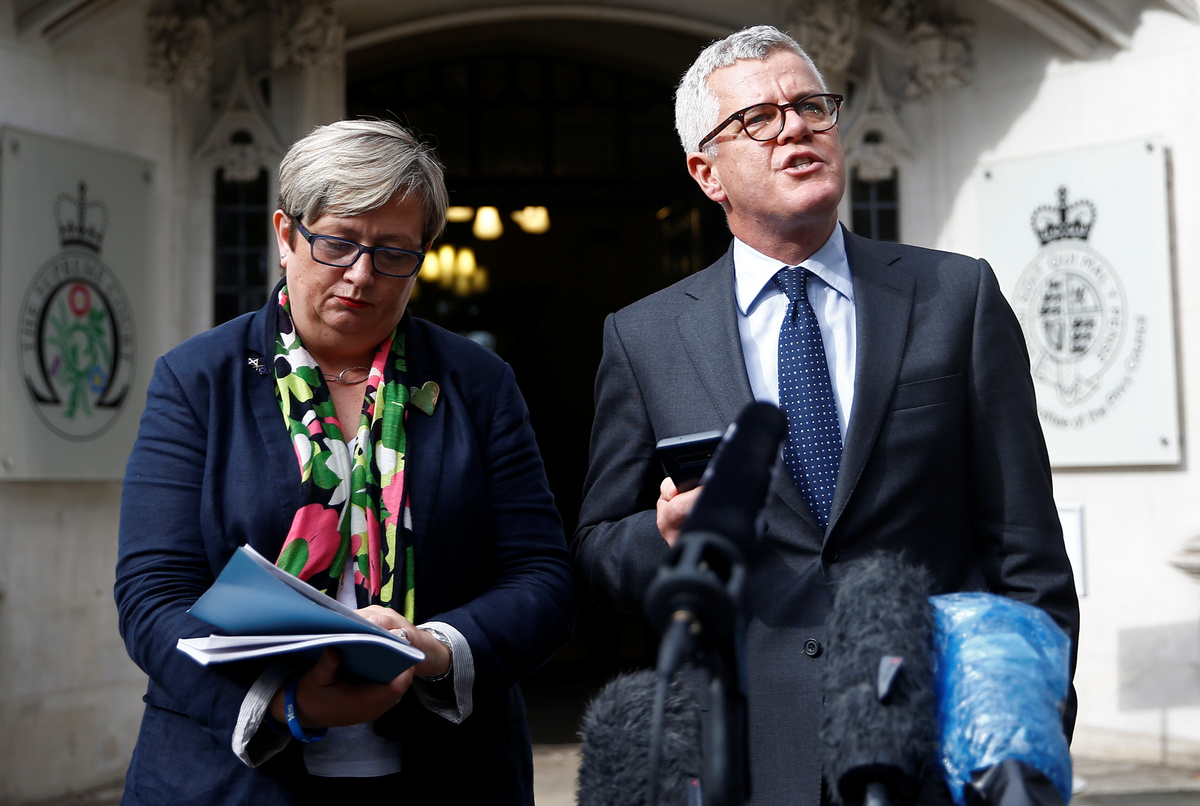
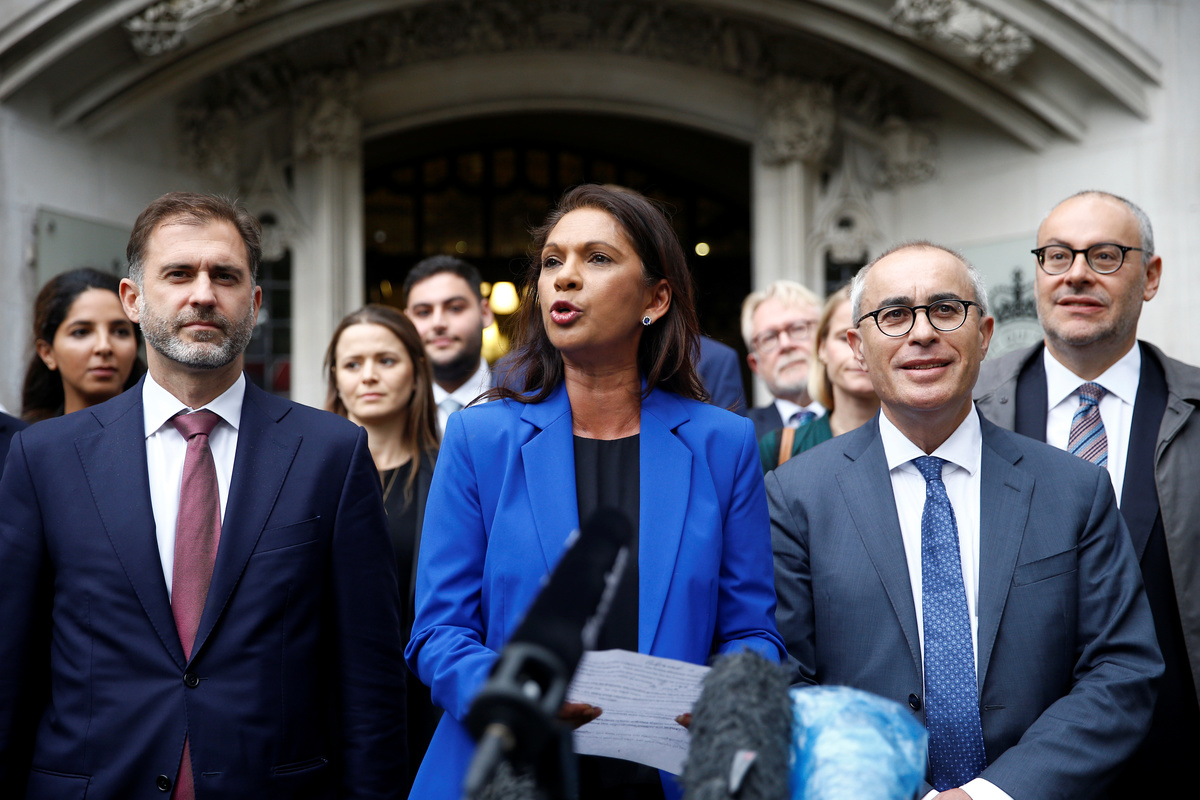
Former Conservative prime minister John Major, who had joined anti-Brexit campaigners and opposition lawmakers in the legal challenge against the prorogation, said Johnson should give an "unreserved apology" to parliament.
"No prime minister must ever treat the monarch or parliament in this way again," he said in a statement.
Buckingham Palace declined to comment.
(Writing by Guy Faulconbridge; Additional reporting by Kylie MacLellan in New York and David Milliken, Andrew MacAskill, Costas Pitas and Andy Bruce; Editing by Kevin Liffey, Jon Boyle and Gareth Jones)