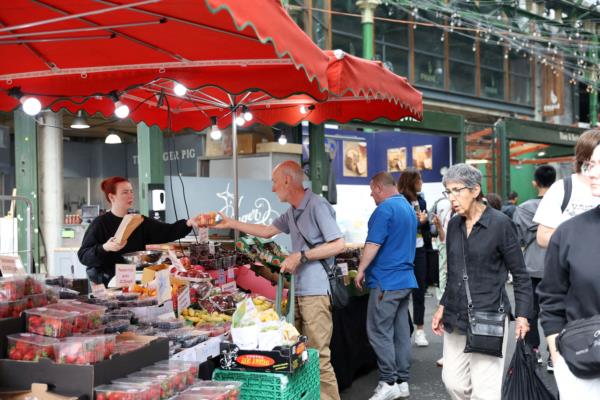
According to recent reports, shop prices in the UK have experienced a gradual increase, marking the slowest pace of growth since December 2021. This development comes as a notable shift in the country's economic landscape, reflecting potential changes in consumer behavior and market dynamics.
The data indicates that inflationary pressures on shop prices have eased, suggesting a more stable pricing environment for consumers. This trend could be attributed to various factors, such as fluctuations in demand, supply chain disruptions, and overall economic conditions.
The slowdown in shop price growth may have implications for both businesses and consumers. For businesses, it could mean a more competitive pricing environment, potentially impacting profit margins. On the other hand, consumers may benefit from lower inflation rates, leading to increased purchasing power and improved affordability.
Analysts and experts are closely monitoring these developments to assess the broader implications for the UK economy. The trajectory of shop prices could provide valuable insights into the overall economic health and potential future trends.
As the situation continues to evolve, policymakers and market participants will need to adapt their strategies to navigate the changing economic landscape. Understanding the factors driving the slowdown in shop price growth will be crucial in making informed decisions and planning for the future.
Overall, the recent deceleration in shop price growth in the UK signals a shift in the economic environment, with potential implications for businesses, consumers, and the broader economy. Continued monitoring and analysis will be essential to grasp the full extent of these changes and their impact on various stakeholders.