Britain is set to rejoin the Erasmus student exchange scheme, six years after ditching the programme as part of the deal to leave the European Union.
Announcing plans to rejoin the scheme in 2027, EU relations minister Nick Thomas-Symonds said it was a “huge win for our young people” with the government estimating that as many as 100,000 people in the UK could benefit from the scheme in the first year.
Through the scheme, the EU provides funding for individuals to study, train, or volunteer in other European countries for up to a year.
As part of the agreement, it is understood that the UK has agreed a 30 per cent discount on membership fees, which are calculated on the basis of a country’s gross domestic product (GDP), a measure of the size of the economy.
The UK’s contribution to the scheme for 2027 will be approximately £570m.
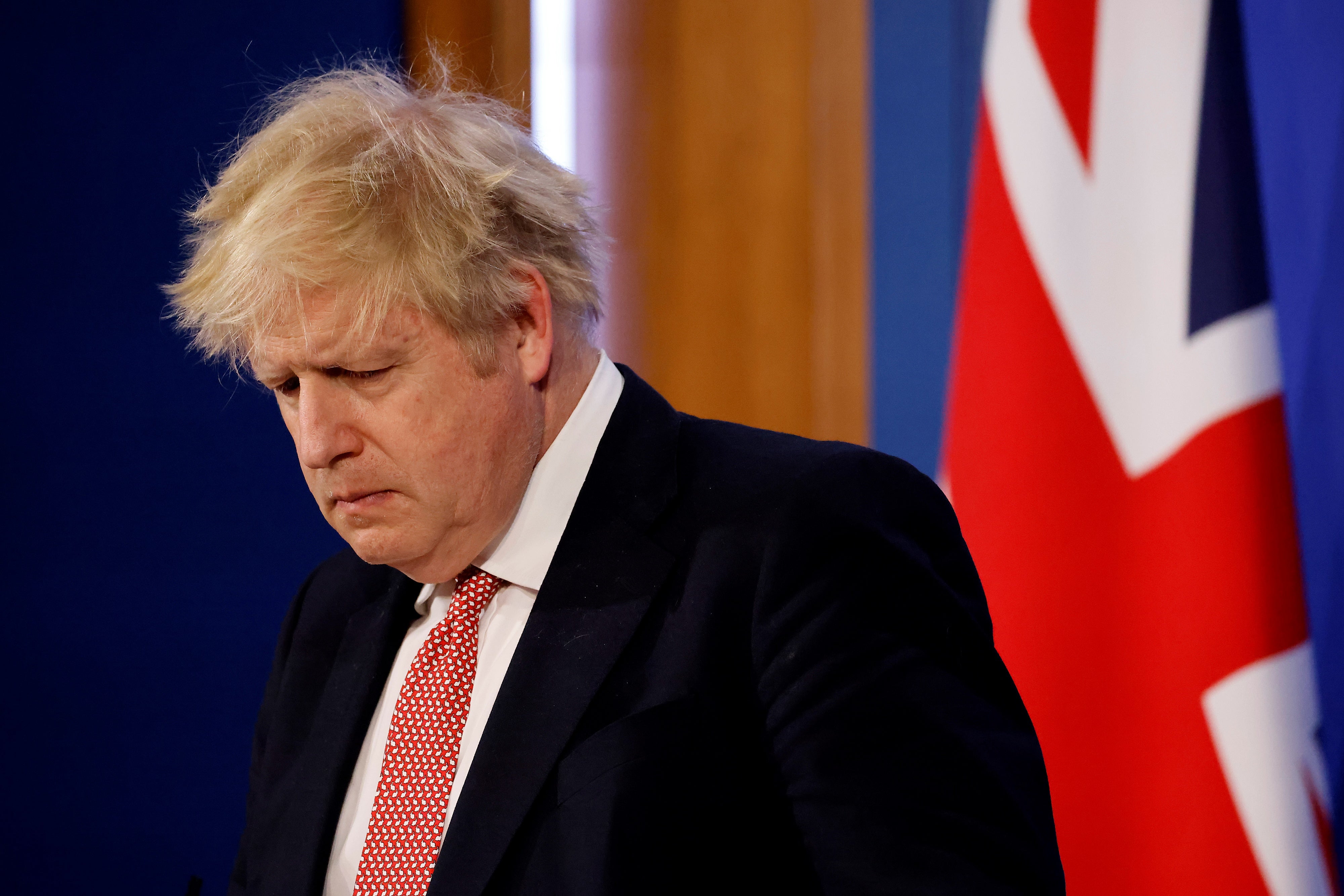
Britain pulled out of the Erasmus scheme under Boris Johnson, launching the Turing scheme as a domestic alternative, arguing that remaining in the EU scheme would have meant a net cost of £2bn over seven years.
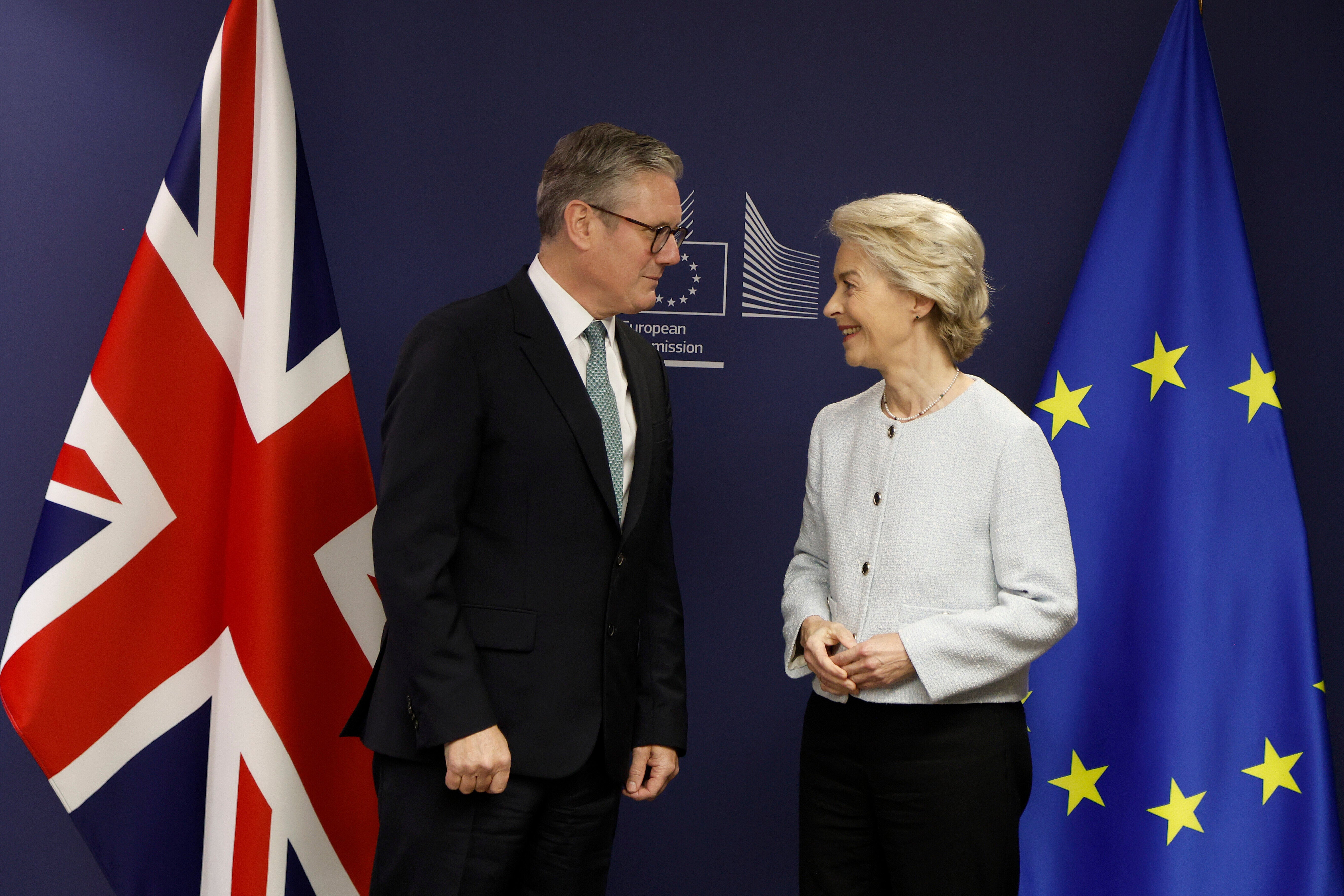
But in May, Sir Keir Starmer announced that the government was working on the UK rejoining Erasmus as part of his post-Brexit reset deal with Brussels.
Mr Thomas-Symonds, who held talks with the European Commission’s Maros Sefcovic in Brussels last week, said: “Joining Erasmus+ is a huge win for our young people, breaking down barriers and widening horizons to ensure everyone, from every background, has the opportunity to study and train abroad.
“This is about more than just travel: it’s about future skills, academic success, and giving the next generation access to the best possible opportunities.
“Today’s agreements prove that our new partnership with the EU is working. We have focused on the public’s priorities and secured a deal that puts opportunity first.”
And skills minister Jacqui Smith said the scheme will “open doors for thousands of students and staff right across the country in universities, schools, colleges and adult education”.
“This is about breaking down barriers to opportunity, giving learners the chance to build skills, confidence and international experience that employers value,” she added.
The move to rejoin Erasmus was welcomed by Mr Sefcovic who dubbed it a “big step forward”, and argued it would “boost people-to-people ties” between the EU and the UK.
Meanwhile, European Commission president Ursula von der Leyen said it will “open the door to new shared experiences and lasting friendships”.
The breakthrough was also hailed by the education sector, with Tim Bradshaw, chief executive of the Russell Group of leading universities, saying he is “delighted” by the announcement.
“With an even greater scope than previous programmes, Erasmus+ opens up fantastic opportunities for students, adult learners and young people to all benefit from new experiences and learning.
“It will also renew the huge contributions that EU students and staff make to life on our university campuses.”
David Hughes, chief executive of the Association of Colleges, said the announcement was “brilliant news” for staff and students in further education colleges.
He added: “For students, it widens their perspective on the world, opening their eyes to different cultures and different ways of life, and for staff, the opportunity to learn from other countries on how they deliver technical education and skills is invaluable.”
Alex Stanley, a vice-president of the National Union of Students, said: “Since the UK left the programme, the number of UK students studying in Europe has plummeted, and as has the number of students from Europe studying in the UK.
“But now, the next generation of students from the UK would be able to experience it all, and campuses across the country could benefit from the perspectives of Erasmus students coming to the UK.”
And Vivienne Stern, chief executive of Universities UK, said the agreement “marks a huge step forward in our relationship with the EU and will offer life-changing opportunities for thousands of students”.
As part of Wednesday’s announcement, the UK and EU also agreed to start negotiations on electricity market integration, as well as setting a deadline to agree on a food and drink trade deal.
The UK and EU have agreed to complete talks on a new food and drink (SPS) deal and carbon linking (ETS) agreement before the next UK-EU Summit in 2026.
A carbon linking agreement would create a single, larger carbon market, allowing companies to trade allowances across borders, which lowers overall decarbonisation costs.
UK gives Abramovich last chance to give Chelsea sale proceeds to victims of Russia's war in Ukraine
Impact from strike by doctors will continue into January, experts warn
UK to rejoin EU’s Erasmus student exchange scheme
Starmer tells Roman Abramovich to transfer money from Chelsea sale to Ukraine fund
‘Coming to our senses’: Readers on return of EU student exchange scheme
UK inflation unexpectedly drops to 3.2% after food prices fall