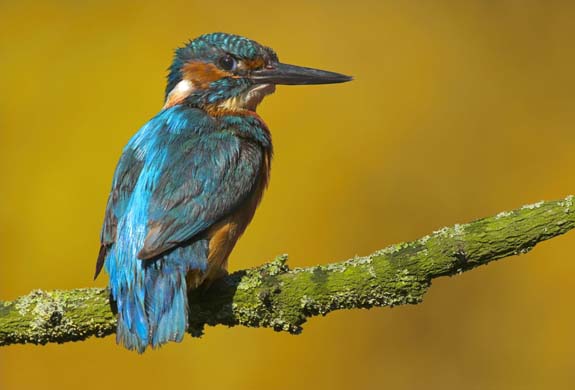
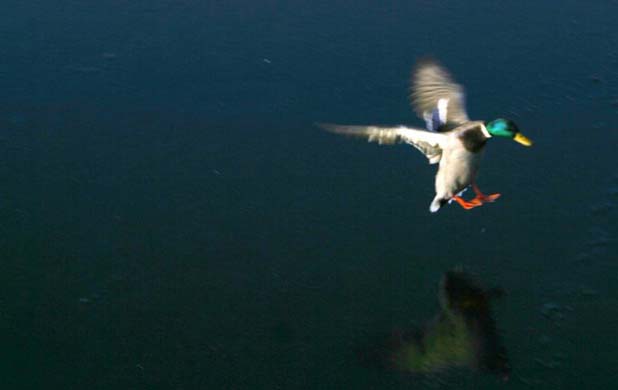
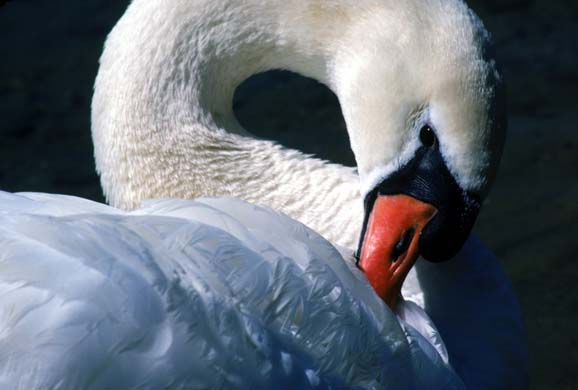
Common kingfisher: The iconic blue bird is a key indicator of good water quality and a healthy ecosystem. It was sighted even in urban areas including central London's Regent canal, Manchester, Aylesbury, Coventry and PrestonPhotograph: Andy Rouse/CorbisA male mallard duck braces itself for a landing. The mallard was the most common sighting in the British Waterway's National Waterway Wildlife survey 2007Photograph: John McConnico/APClose-up of mute swan. Swans are a common site on British waterways' 2,200 mile canal and river network in England, Wales and ScotlandPhotograph: Jose Azel/Getty
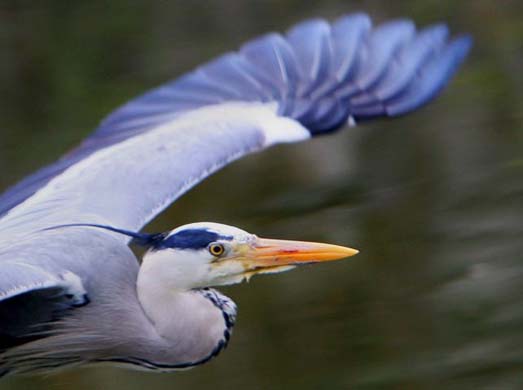
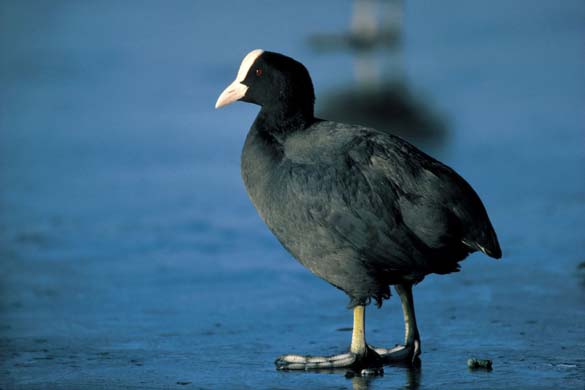
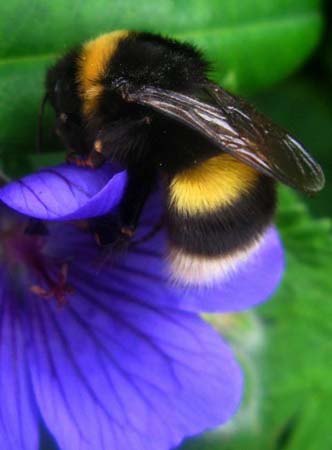
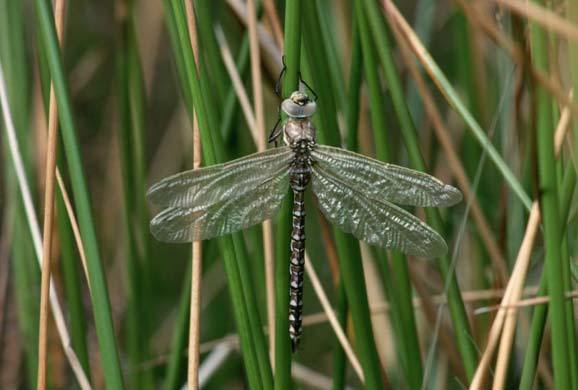
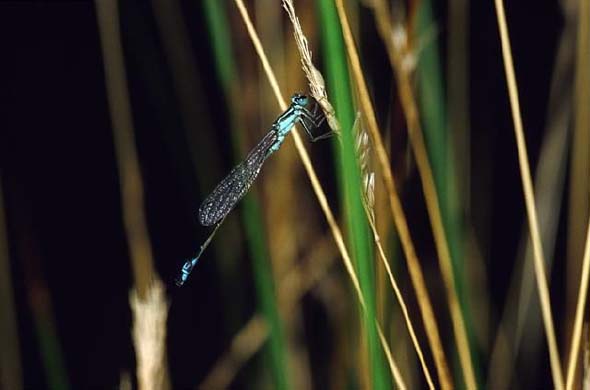
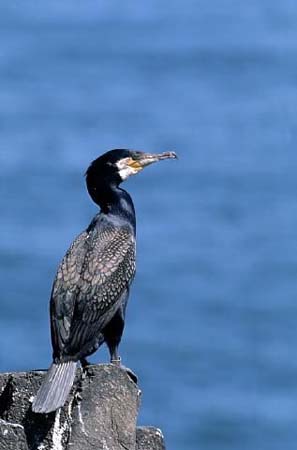
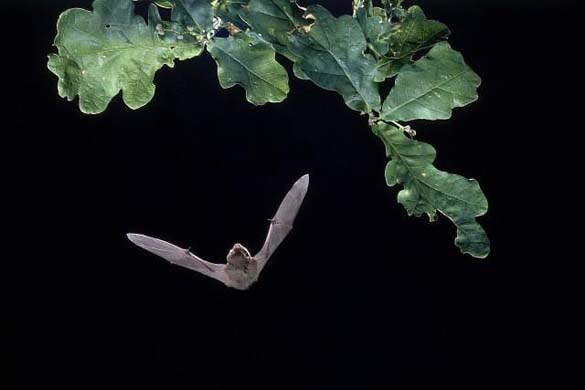
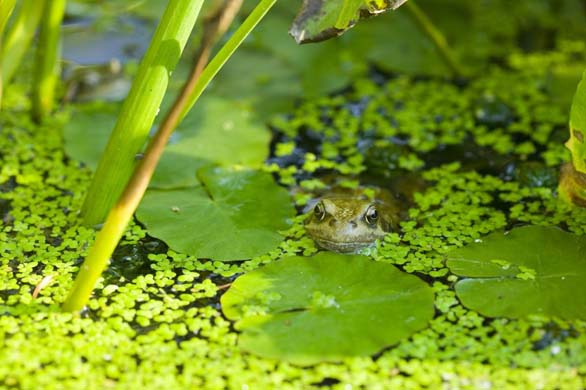
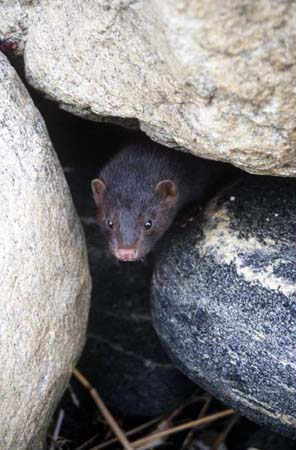
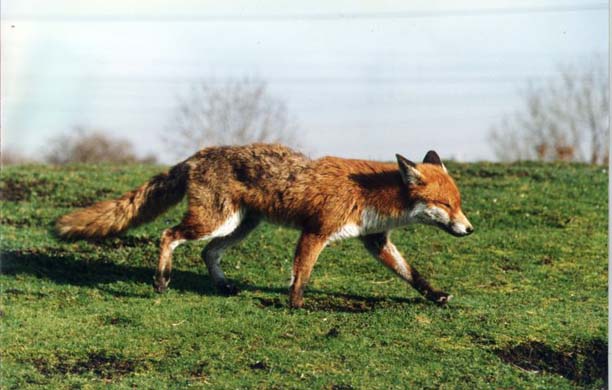
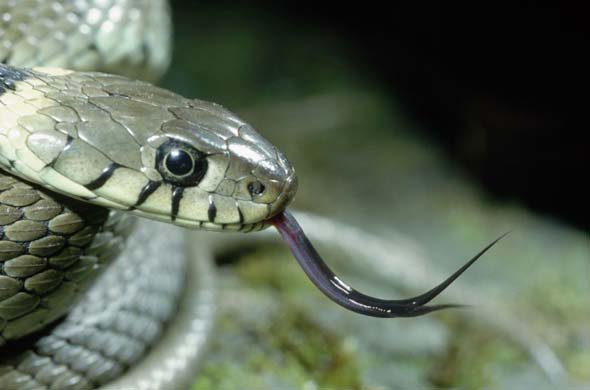
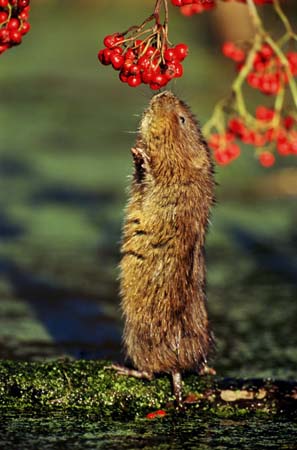
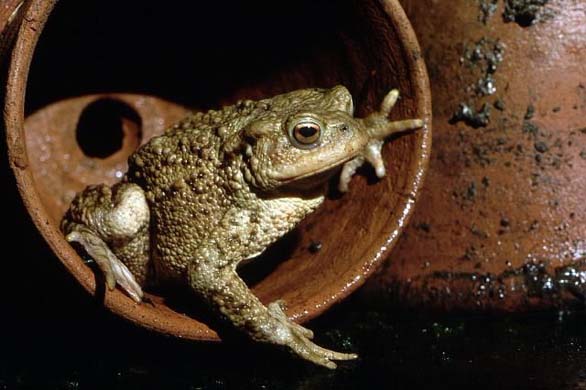
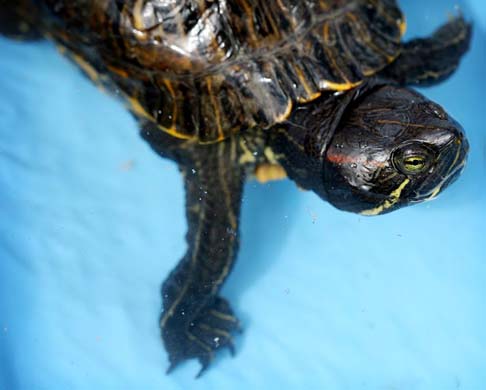
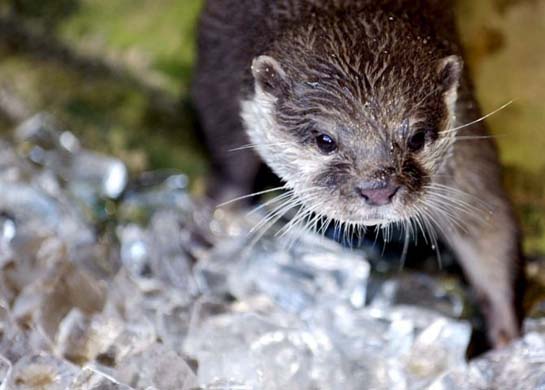
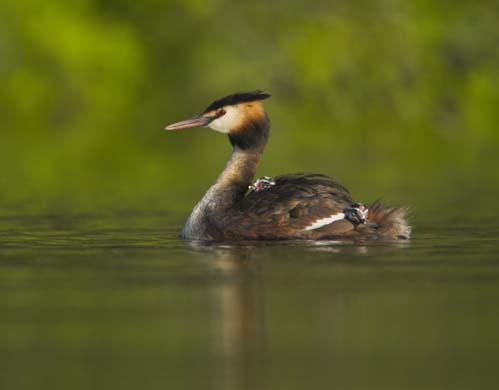
A grey heron searches for food. The graceful bird feeds from fishes, frogs and other small animals they catch in marsh areas and riversPhotograph: Salome Kegler/EPAA coot walking on the shore. Found in shallow, still or slow-moving freshwater habitats including ponds, lakes, rivers, marshes, gravel pits and reservoirs throughout most of BritainPhotograph: GettyA moorhen at a nature reserve. The population declined in the 1970s and 80s but has since been recovering and is a common site around Britain's waterwaysPhotograph: Don McPhee/GuardianA bumble bee on a flower. Britain's native bumble bees are under serious threat due to intensive agriculture and a decrease in the number of insect-pollinated crops. The 24 species in the UK have suffered serious decline in numbers over the past 70 years Photograph: Clare Molden/PAEmperor dragonfly. The National Water Wildlife survey indicates that the warm autumn days that followed the wet summer appear to have caused confusion. The common darter dragonflies, which have normally disappeared by now, are still being spottedPhotograph: Chris Mattison/CorbisA damsel fly sits on reeds. The damsel fly was the ninth most common sighting in the survey. Two unusual insects, the saw fly and a gristled skipper butterfly have been spotted in the Midlands for the first timePhotograph: Kevin Wilson/CorbisA great cormorant perches on a rock. Typically thought of as a sea bird, inland colonies area becoming more common, nesting in trees close to freshwater lakes, reservoirs and gravel pitsPhotograph: Mike Powles/CorbisPipistrelle bat in flight. Waterways play an important role in greening towns and cities by providing wildlife corridors which help sustain populations of endangered species such as batsPhotograph: Hugh Clark/CorbisA frog is a common site along Britain's waterwaysPhotograph: Ashley Cooper/CorbisA mink between some rocks. There were more than 100 sightings of minks in this year's National Waterway Wildlife surveyPhotograph: Paul Brown/RexA red fox. Foxes - once mostly confined to the countryside - are now almost as common in cities as cats. It is estimated that more than 30,000 of them have moved into urban areas Photograph: Graham Turner/GuardianA grass snake. The larger of three British snakes, reaching up to five foot in length, they are found throughout southern Britain, generally close to water where they can find their favourite type of food, frogs and toads. Due to clearance of large areas of traditional woodlands and wild areas grass snakes numbers have been drastically reduced and they are now a vulnerable speciesPhotograph: George McCarthy/CorbisA water vole reaching for cotoneaster berries. Water voles are often mistaken for rats. In fact, Ratty from Kenneth Grahame's The Wind in the Willows was actually a water vole. They inhabit the banks of ditches, dykes, slow-moving rivers and streams, and grassland, and have suffered a decline in numbersPhotograph: Andrew Parkinson/GettyA common toad in a flower pot. These are Britain's largest and heaviest amphibians. Although found by water, they spend most of their lives on dry land hunting for worms, slugs and insects. The colour of the toad varies according to the colour of the soil its habitatPhotograph: George McCarthy/CorbisA terrapin in a pond. Terrapins are not native to the UK but they now inhabit various freshwater habitats. The most common species is the red-eared terrapinPhotograph: Graeme Robertson/GuardianShort-cleaved otters. The otter is one of the UK’s most famous mammals but also one of the most scarce. But as a result of reintroduction programmes, you are now much more likely to see an otter in your local river than you were just 10 years ago and there were 29 sightings in this year's survey. They live in a burrow in the bank of a waterway called a holt and feed on a variety of fish, crustaceans, occasional frogs and other riverside tidbitsPhotograph: Susannah Ireland/EPAA great crested grebe carries her chicks on her back. Grebes are characterised by their pointed bills. They are expert swimmers and divers but unable to walk on dry land so build floating nests. Some 27 were sighted in the National Waterway Wildlife survey 2007Photograph: Andy Rouse/Corbis
Sign up to read this article
Read news from 100’s of titles, curated specifically for you.