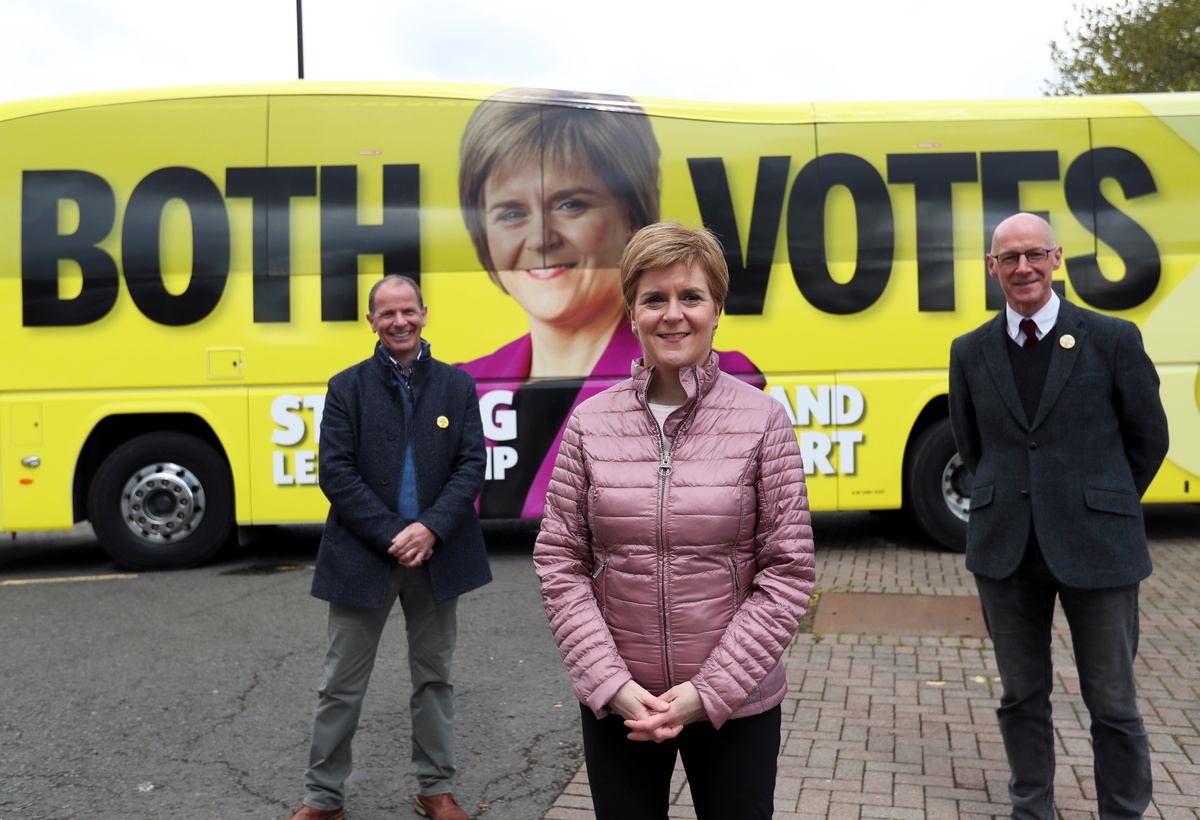
Scottish leader Nicola Sturgeon told British Prime Minister Boris Johnson on Sunday that another referendum on independence was inevitable after her party won a resounding election victory.
Johnson and his Conservative Party, which is in opposition in Scotland, strongly oppose a referendum, saying the issue was settled in 2014 when Scots voted against independence by 55% to 45%.
But pro-independence parties won a majority in the Scottish parliament in elections held on Thursday, which Sturgeon said gave her a mandate to push ahead with plans for a second referendum after the COVID-19 crisis.
"The First Minister reiterated her intention to ensure that the people of Scotland can choose our own future when the crisis is over," Sturgeon's media office said in a statement after she spoke to Johnson on the phone.
"(She) made clear that the question of a referendum is now a matter of when - not if."
A statement from Johnson's Downing Street office after his talk with Sturgeon made no mention of the referendum issue, instead emphasising "the importance of focusing on COVID recovery at this time".
Sturgeon's Scottish National Party (SNP) won 64 seats in the Scottish parliament, just one short of an overall majority. With its Green allies, who won eight and also favour independence, it is in control of the political agenda in Scotland.
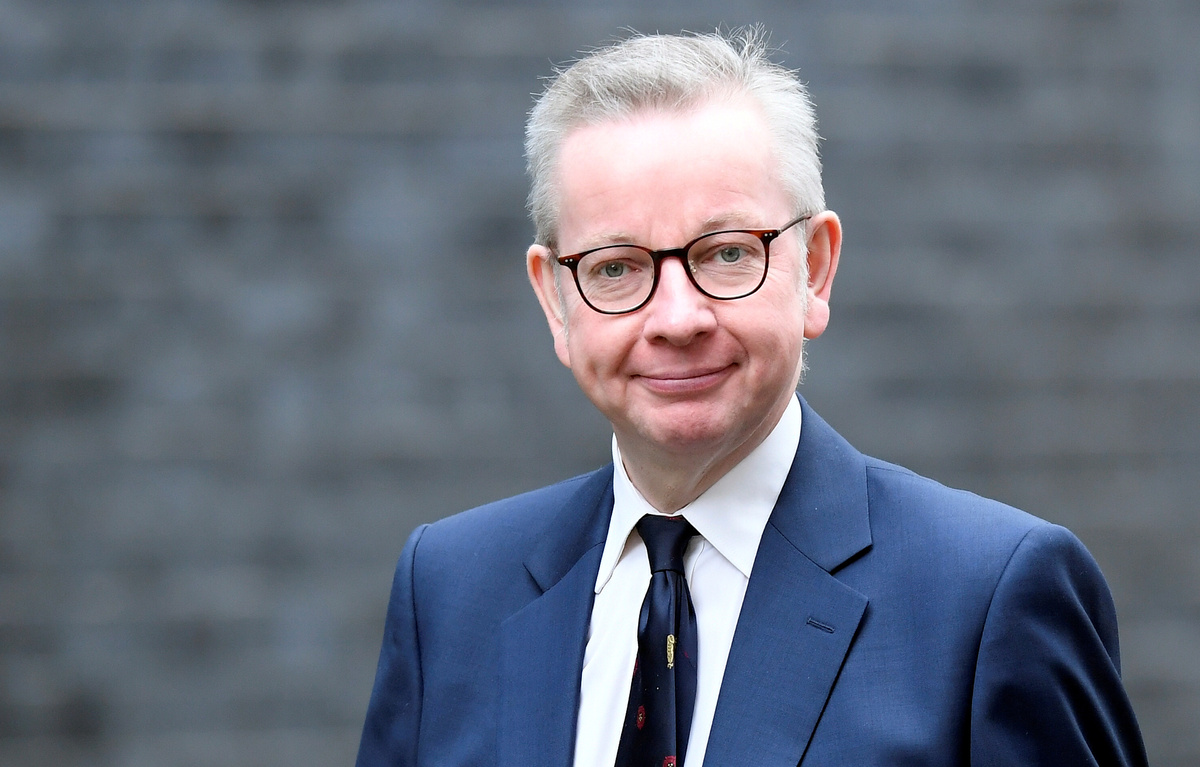
Speculation has been mounting that when the Scottish parliament legislated for a referendum, the British government would go to court to stop it. But senior minister Michael Gove sidestepped repeated questions about that earlier on Sunday.
"We're not going to go there," he said on Sky News.
"To start speculating about this type of legislation or that type of court hearing and all the rest of it, it's just a massive distraction," he said.
Sturgeon told the BBC it would be "absurd and completely outrageous" for the British government to take legal action to stop a referendum.
She argued that for London to use "force of law" to prevent a vote would amount to saying that the 300-year-old union between England and Scotland was no longer based on consent.
"I don't think we will get there," she said.
Under the 1998 Scotland Act - which created the Scottish parliament and devolved some powers to Edinburgh from London - all matters relating to the "Union of the Kingdoms of Scotland and England" are reserved to the UK parliament.
Under the act, the UK parliament can grant the Scottish government the authority to hold a referendum, a process that was used to allow the 2014 plebiscite to go ahead and which Sturgeon said should unfold again for a new referendum.
(Reporting by Estelle Shirbon; Editing by David Evans and Peter Cooney)