Charity leaders are bracing themselves for the introduction of charges for regulation by the Charity Commission, after it claimed a clear mandate from the public for doing so in spite of strong opposition from charities themselves.
Research for the cash-strapped commission found that 69% of the public favour fully or partly funding regulation by means of a charge, compared with just 23% of charities. By contrast, 68% of charities believe that regulation should be funded entirely through general taxation, compared with only 25% of the public.
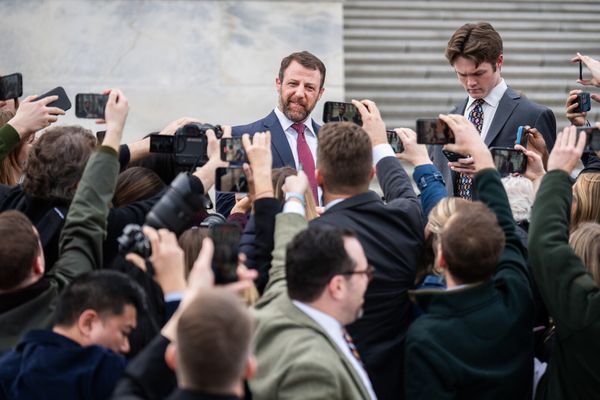
William Shawcross, the commission’s chair, said at the research launch that the regulator had a duty to explore options for charging. “It’s not a revolutionary idea: many sectors pay for their regulation. I, and my board, want to leave the Charity Commission improved and stable in every way. I think we have improved its record for compliance so far, but we want to leave it financially stable.”
The commission is at present funded wholly by the government and has seen its budget fall from £31.7m in 2007-08 to £21.4m this year, a cut that Shawcross describes as 50% in real terms. Sector leaders think the commission will seek to make good by introducing charges of up to £5,000 a year for the biggest charities – though the smallest ones are expected to be exempt.
Sarah Atkinson, the commission’s director of policy and communications, said the research suggested that while some charities were opposed fundamentally to the idea of using charitable funds, including public donations, to pay for regulation, others were open to persuasion.
“There is a group of charities saying: ‘No, never, in principle, not a chance, over my dead body’,” Atkinson said. “There is also a group saying: ‘Convince me’. We need to explore all the options. There is a lot more discussion needed about it, but the priority for us is getting the commission’s funding on a sustainable foundation.”
The question asked in the research, by Populus, among 1,000 members of the public and more than 1,100 charities, read: “Some regulators are funded by government with the money they raise from taxpayers through taxes. Other regulators are funded by charging a fee to the organisations they regulate. When thinking about charity regulation, which statement do you most agree with?” There followed five options ranging from 100% taxation funding to 100% charging.
Sir Stuart Etherington, chief executive of the National Council for Voluntary Organisations (NCVO), said it would have been interesting to see the results of a question that asked people if they would like their donation to a charity to be used to pay for its regulation.
“When we see the proposals, we will obviously consult with our 11,500 members,” Etherington said. “But if the sector is being asked to pay, it will ask questions about the independence of the regulator from the industry and also from government. The commission has to prepare itself. If it is going to suggest charges, there will be a number of other issues that flow from that. It’s not possible to do this in isolation.”
One issue certain to be raised is the appointment process for the commission’s chair. At the moment, appointment is in the hands of ministers and both Shawcross – installed by the last coalition government – and his predecessor, Dame Suzi Leather, who was appointed under the last Labour government, have faced accusations of being political appointees.
Shawcross welcomed the wider research, the first of its kind into trust and confidence in the commission, as “a vote of confidence in us”. On a scale of zero to 10, charities gave the commission an average trust and confidence score of 8.3 and the public gave it 6.0 – scores described by Populus as strong – although only 28% of the public said they knew the commission “fairly well” or “very well”.
There was 92% support among charities and 82% among the public for the proposed new powers for the commission contained in legislation now before parliament. These measures were described to survey respondents as allowing the commission “to ban people with certain criminal convictions from being a charity trustee and to shut down charities following an inquiry into misconduct or mismanagement”.
Populus described these levels of support as “universal”. Questioning use of the term, Ciaran Price, policy officer of the Directory of Social Change thinktank and training organisation, said: “We were not asked and we would have opposed it.”