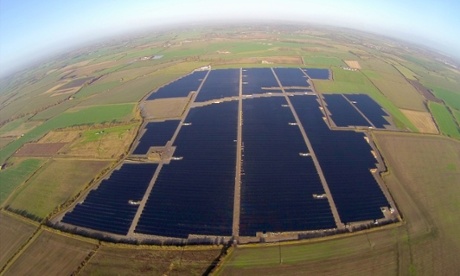
The UK is preparing for the impact of Friday’s eclipse on electricity supply and demand on Friday, which will knock out the country’s solar power production.
The National Grid said the sun will disappear behind the moon at around 9.30am and “we have to factor in the extra generation we need to find to replace the solar, which won’t be back to normal until 10.30.”
The grid, which has responsibility for balancing gas and electricity supply and demand, said the unusual celestial event is also expected to trigger a huge downturn in the need for power as people rush outside to watch, followed by a big increase.
“We expect there to be a significant suppression in demand when the eclipse starts, followed by a pick-up when people start to go back inside,” said Jeremy Caplin, forecasting manager at the Grid.
“The extent of the pick-up will depend on the weather. If it’s sunny, we’re expecting a 1,700 megawatt (MW) surge. If it’s an average day, it will be more like 1000MW. The cloudier it is, the less of a swing we’ll see.”
If there is a 1,700MW surge then the sun will have eclipsed Andy Murray’s victory at Wimbledon in 2013. Then the pick-up in demand was around 1,600MW – the equivalent of around 650,000 kettles being boiled at once.
The grid says it has been planning over nine months for the solar eclipse which Royal Observatory Greenwich believes will be spectacular because the moon is closer to the Earth than it had been for 18 and a half years.
Renewable energy critics often argue that wind farms are too unreliable and expensive because they require back-up from gas or other power sources to take over when the wind is not blowing.
Caplin says the grid has everything under control this time round noting the next significant eclipse to be seen in Europe will not happen till 2026.
“This loss of solar is entirely manageable and will be largely offset by demand suppression. We started planning for this in May last year and have a range of tools in place to manage any effects of the eclipse and balance the network, including demand side services and extra generation.”